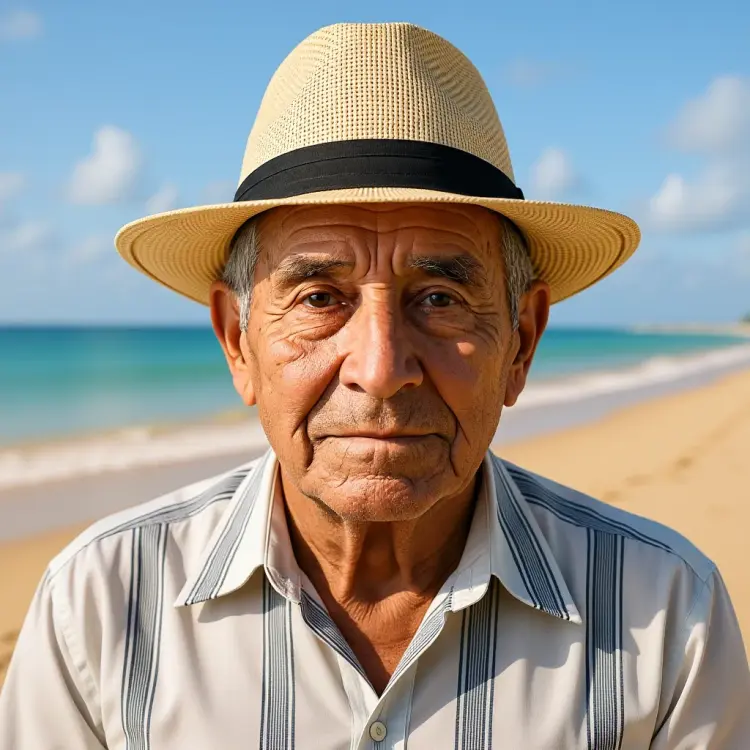
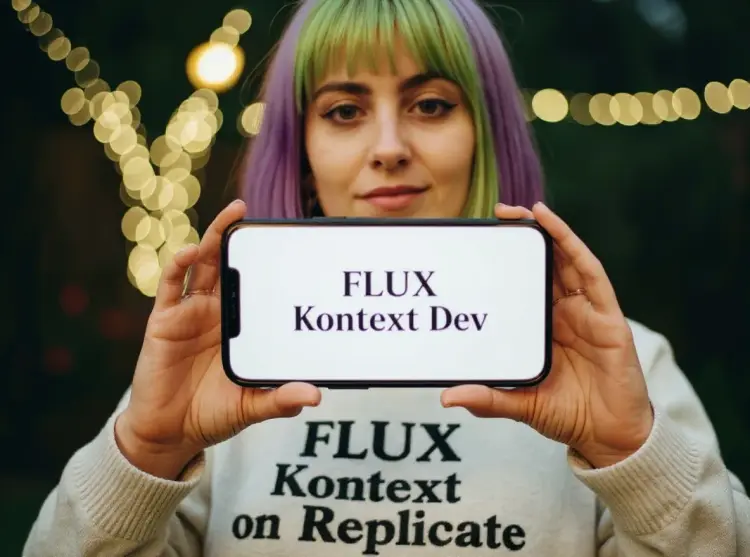
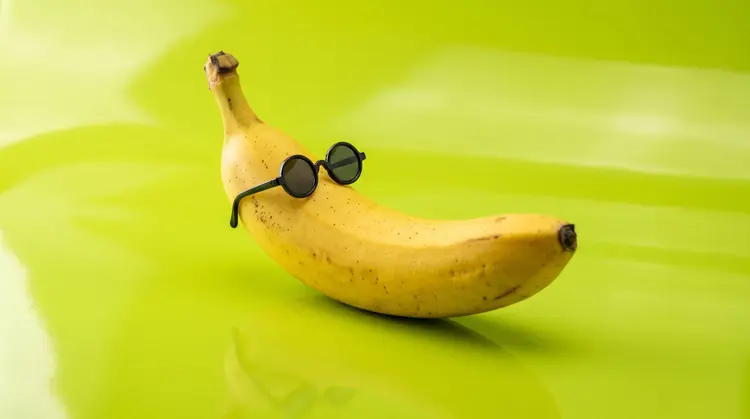
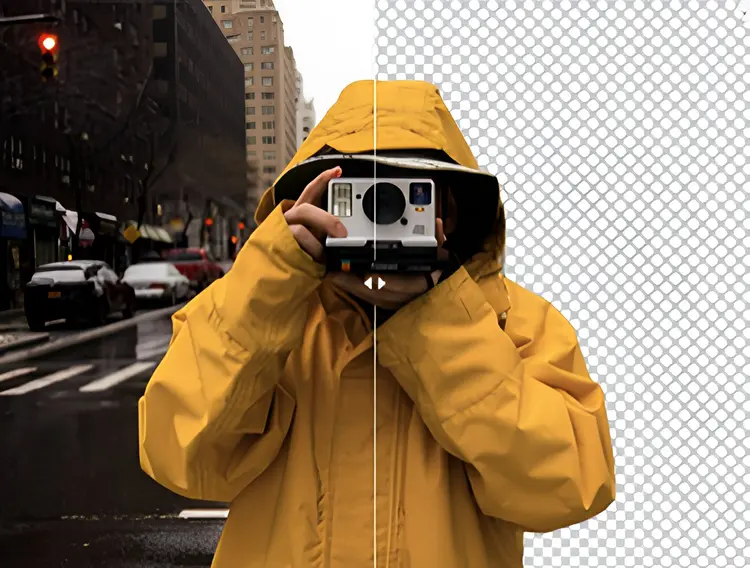
Flux Kontext Dev is an open-weight image editing model that takes a photo you already have and a plain-text instruction, then produces a new version of that image with your requested change applied. If you've ever needed to fix a background, swap a color, or restyle a scene without touching design software, this does exactly that. The model accepts jpeg, png, gif, or webp files alongside a text prompt describing what you want to change. You can keep the original aspect ratio or switch to a standard format like 16:9 or 4:5. A guidance scale setting lets you control how strictly the output follows your instruction versus how much it preserves existing detail in the image. Flux Kontext Dev works best when you iterate quickly: change one thing, review the result, adjust your prompt, and go again. Running it on Picasso IA means no downloads, no GPU setup, and no waiting for a local render to finish.
Flux Kontext Dev is an open-weight image generation and editing model that takes a reference image and a text instruction, then produces a new image reflecting your changes. Where most image tools force you to start from scratch, this model lets you work with what you already have, whether that means adjusting a scene, changing an object, or shifting the mood of a photo. On Picasso IA, you run it directly in your browser without any setup or code. A product photographer can swap a background, a designer can recolor a garment, and a content creator can add or remove elements from a frame, all from a single text prompt.
Do I need programming skills or technical knowledge to use this? No, just open Flux Kontext Dev on Picasso IA, adjust the settings you want, and hit generate.
Is it free to try? Yes, you can run Flux Kontext Dev for free on Picasso IA without creating an account or entering payment details.
How long does it take to get results? Most outputs are ready in 15 to 30 seconds depending on the number of inference steps you set. Lowering the step count speeds things up; raising it adds more detail and precision.
What output formats are supported? You can download your result as WebP, JPG, or PNG. WebP is the default and offers a good balance of quality and file size. PNG is the right choice when you need a lossless file.
Can I customize the output quality or style? Yes. The guidance scale controls how closely the model follows your text instruction versus preserving the look of the original image. The output quality slider (0 to 100) adjusts file compression for WebP and JPG exports.
What happens if I'm not happy with the result? Set a fixed seed to lock in a composition you liked, then adjust the prompt or guidance scale to refine from there. Leaving the seed blank generates a fresh variation each run.
Where can I use the outputs? You download the file directly with no watermarks, so it is ready for any project: social media posts, product pages, print materials, or client presentations.
Tudo o que este modelo pode fazer por você
Modifies specific areas of your image based on natural language, leaving the rest of the composition intact.
Output in any standard ratio from 1:1 to 21:9, or match your source image dimensions automatically.
Dial in how closely the result follows your text prompt versus preserving the original image detail.
Save and reuse a seed number to recreate the same edit in a later session.
Export as WebP, JPG, or PNG depending on where the image will be used.
Download and run the model weights locally for offline projects or custom integrations.
Get clean, full-resolution exports ready for client work, publishing, or print.