Overview
Hunyuan 3D 3.1 takes a photo or a text description and turns it into a fully textured 3D model with dense geometry and surface detail. For anyone who has ever needed a 3D asset but does not have time to model it by hand, this is the direct solution. A product shot, a character concept, a simple written description: any of these becomes a mesh you can drop into a render or a scene. Picasso IA makes the whole process available in a browser, with no software installation. The output geometry holds up at close range, and the textures are accurate enough for professional use cases.
How It Works
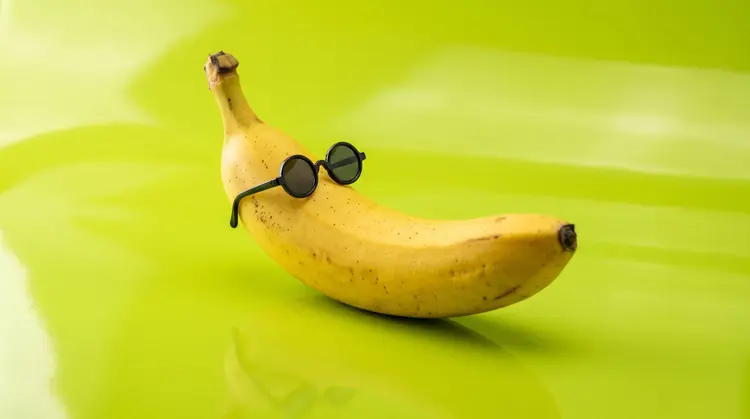
- Decide whether you want to start from an image or a text prompt. Provide one or the other, not both. For images, use a clean photo of a single object against a plain background, with the object filling most of the frame.
- If you use a text prompt, describe the object in plain language. Up to 1024 characters are supported, so you have room to be specific about shape, material, and style.
- Choose a generation type. "Normal" produces a model with full textures applied. "Geometry" outputs a clean white mesh with no textures, which is useful when you intend to add your own materials afterward.
- Set the face count to control polygon density. The default of 500,000 faces works for most projects. Lower it for lighter files; raise it when fine surface detail matters.
- Enable PBR materials if your target application supports Physically Based Rendering. This adds surface data that responds accurately to lighting. Then generate and download the finished file.
Frequently Asked Questions
Do I need programming skills or technical knowledge to use this?
No, just open Hunyuan 3D 3.1 on Picasso IA, adjust the settings you want, and hit generate.
Is it free to try?
Yes, you can run Hunyuan 3D 3.1 without an upfront payment. The platform's credit policy covers how many generations are included at each tier.
How long does it take to get results?
Most generations complete within a few minutes. Higher face counts and PBR material generation add some time, but standard settings are quick enough for rapid iteration.
What output formats does the model produce?
The model returns a 3D file compatible with standard 3D applications. The exact format is shown on the results panel after generation finishes.
What kind of image works best as input?
A single object centered in the frame, occupying more than half of it, against a plain or white background. Avoid images with text, multiple objects, or cluttered scenes. JPG, PNG, JPEG, and WebP are all accepted, up to 6MB and between 128 and 5000 pixels per side.
What is PBR and when should I use it?
PBR stands for Physically Based Rendering. It encodes how a surface reflects and absorbs light, so the material looks correct under different lighting conditions in compatible software. Enable it when your pipeline uses a PBR-capable engine; skip it for geometry-only workflows or quick previews.
What if the result does not match what I had in mind?
Refine your prompt with more specific details, or swap in a cleaner photo with a simpler background. Adjusting the face count can also change how much surface detail the model captures. Small input changes often produce meaningfully different outputs.