Overview
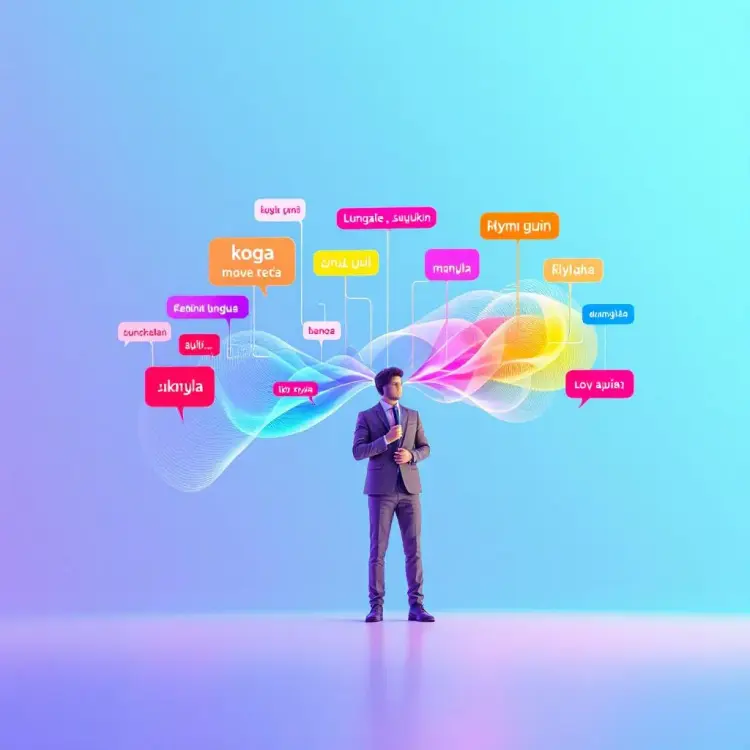
Lipsync Speed takes a source video and a replacement audio file, then re-animates the speaker's mouth to match the new track with frame-accurate sync. If you've recorded a video in one language and need a dubbed version, or if your voiceover no longer fits the original clip, this model fixes that in a single pass. You upload both files, adjust a few settings, and get back a finished video where the lip movements match the audio as if it was recorded that way from the start. On Picasso IA, the whole process runs in your browser without installing anything.
How It Works
- Upload your source video file containing the speaker whose lip movements you want to re-animate.
- Upload the replacement audio track you want the video to sync to.
- Choose your optional settings: strip background music from the original video, allow the output to adjust its length automatically if the new audio differs in duration, or turn on speech quality processing for cleaner audio in the final clip.
- Submit the job and wait while the model analyzes the audio and re-renders the lip movements frame by frame.
- Download the finished video with the new audio matched precisely to the on-screen speaker.
Frequently Asked Questions
Do I need programming skills or technical knowledge to use this?
No, just open Lipsync Speed on Picasso IA, adjust the settings you want, and hit generate.
Is it free to try?
Yes, you can run Lipsync Speed without a paid subscription to test results. Credit usage depends on video length and settings, so check the pricing tab before submitting long clips.
How long does it take to get results?
Processing time scales with your video's length. Short clips of 30 seconds or under typically finish in under a minute. Longer videos take more time, but the model prioritizes speed without sacrificing sync accuracy.
What video formats are supported?
The model accepts standard video file formats. Upload your clip directly through the interface and the platform handles the rest. If you run into a format issue, converting to MP4 first usually resolves it.
Can I dub a video into a different language?
Yes. Record or generate the translated audio separately, then upload it alongside the original video. The model re-animates the lip movements to fit the new language without any manual frame editing.
What does "enable dynamic duration" do?
When turned on, the output video adjusts its total length to match the new audio. If your replacement audio is slightly longer or shorter than the original, the clip reflects that difference instead of cutting off or leaving silence.
What if the lip sync does not look right?
Try running the model again with the speech quality option turned on, or trim your audio so it aligns more cleanly with the on-screen speaker. Small adjustments to audio timing often produce noticeably better results.