Overview
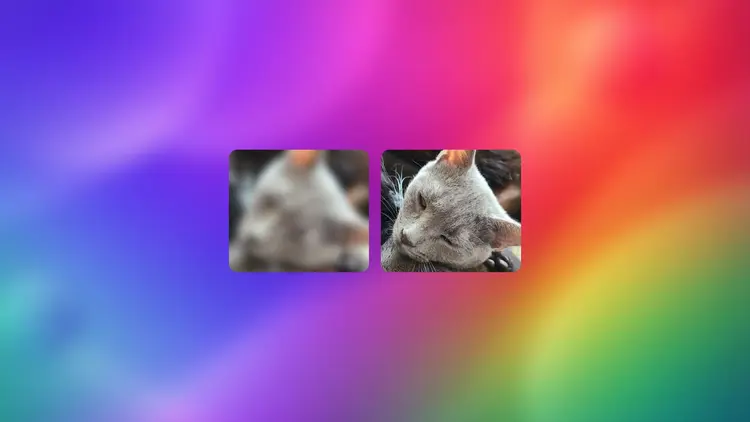
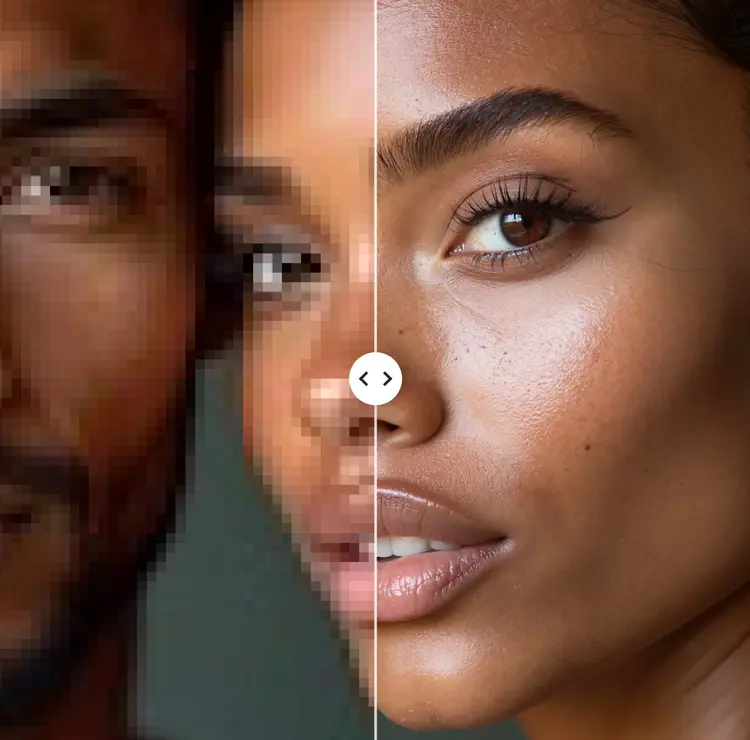
Real ESRGAN is an AI model that takes a low-resolution, blurry, or compressed image and returns a sharper, larger version with reconstructed detail. It is available directly on Picasso IA with no installation and nothing to configure before your first run. The most common use is salvaging photos that are too small to print or publish: old scans, compressed web images, small product shots, and AI outputs that came out at a limited size. Rather than stretching pixels, the model infers what the image should look like at a higher resolution and fills in the missing information.
How It Works
- Upload your image in JPEG or PNG format from your device or by pasting a direct image URL into the input field.
- Set the scale factor. The default is 4x, which turns a 512px image into a 2048px output. Reduce it if you need a smaller step up in resolution.
- Toggle face restoration on if the image contains people. This activates a second pass focused on facial regions, sharpening skin, eyes, and hair independently from the rest of the image.
- Click generate and wait a few seconds. The model processes the image and displays the result on the same page when it is ready.
- Download the output file. It is watermark-free and ready for immediate use in print, web, or any editing application.
Frequently Asked Questions
Do I need programming skills or technical knowledge to use this?
No, just open Real ESRGAN on Picasso IA, adjust the settings you want, and hit generate.
Is it free to try?
Yes, the model is free to use with no credit card required. You can run it on any image immediately after opening the page.
Are there any limits on how many images I can upscale?
No. There are no usage caps, credit counters, or generation quotas. You can process as many images as you want, in as many sessions as you need.
How long does it take to get a result?
Most images return a result in under 10 seconds. Larger inputs or higher scale settings may take a bit longer, but the output appears on the same page when it is ready.
What output formats are supported?
The model returns a PNG file by default, which preserves full detail without adding further compression loss to the image.
Can I improve portrait sharpness specifically?
Yes. Turn on face restoration before running and the model applies a separate sharpening pass to any faces in the image, targeting skin, eyes, and hair with a different algorithm than the rest of the scene.
What should I do if the result still looks soft?
Run the image again with face restoration enabled if you have not already, or try a slightly higher scale factor. Since there are no usage limits, you can iterate on the same image as many times as needed.