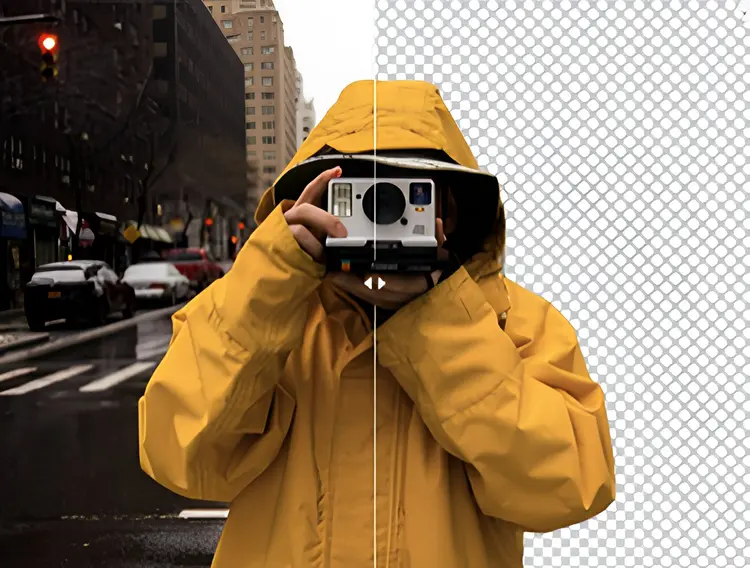
Edit is an AI image editing model that takes your existing photo and a plain-text instruction, then rewrites only what you asked to change. Instead of spending time in a photo editor or masking pixels by hand, you type what you want modified and get back an updated image in seconds. It works for anyone who handles photos, from content creators fixing stock shots to marketers refreshing product images on demand. The model handles a wide range of tasks: removing unwanted people or objects from a scene, swapping backgrounds, changing clothing colors, and adjusting the overall tone of an image. You can also use it to clean up imperfections, reframe a composition, or apply stylistic changes without touching a single slider. Areas you did not describe stay untouched. Drop in an image, type your instruction, and the model returns the edited result. Re-run with different instructions as many times as you need until the output is right. Whether you are refreshing old content or fixing a shot that almost worked, Edit fits into any workflow where speed and simplicity matter.
Edit is an AI image editing model that lets you modify existing photos using plain-text instructions. Instead of learning selection tools, layer masks, or complex retouching workflows, you describe the change you want and the model applies it directly to your image. On Picasso IA, this means anyone can remove unwanted objects, swap out backgrounds, or alter image content without touching a separate editing application. Whether you are cleaning up a product shot or fixing a portrait, Edit turns a single sentence into a precise visual change.
Do I need programming skills or technical knowledge to use this? No, just open Edit on Picasso IA, adjust the settings you want, and hit generate.
Is it free to try? Edit is available on Picasso IA with no account required to test it. Check the current plan details on the platform for generation limits and credit information.
How long does it take to get results? The standard version typically returns an edited image in a few seconds. The fast version is optimized for even quicker turnaround when you need to iterate quickly across multiple attempts.
What kind of instructions work best? Clear, specific sentences consistently outperform vague ones. Describing exactly what to remove, add, or change gives the model a precise target. "Remove the car parked on the left side" will produce more reliable results than "clean up the image."
Can I run multiple edits on the same image? Yes. Download the output from one run, upload it as the input for the next, and chain edits together step by step. This works well for separating complex changes into smaller, easier-to-control operations.
What output format do I get? The model returns a modified version of your original image, preserving the resolution and proportions of the source file you uploaded as closely as possible.
What happens if the result is not quite right? Refine your instruction and run again. Small changes in wording often produce noticeably different results. Try being more specific about the area of the image or the exact nature of the change you want.
Everything this model can do for you
Modify any part of an image by typing a plain instruction instead of painting masks.
Delete specific people, items, or distractions from a scene in a single generation.
Swap the background to any setting you can describe in a few words.
Edits apply only to the area you describe, leaving the rest of the image intact.
Skip manual selections and let the model identify what to change from your description alone.
Run the same instruction several times to compare different results before choosing.
Edited images come back in seconds, making it practical for high-volume editing tasks.