Overview
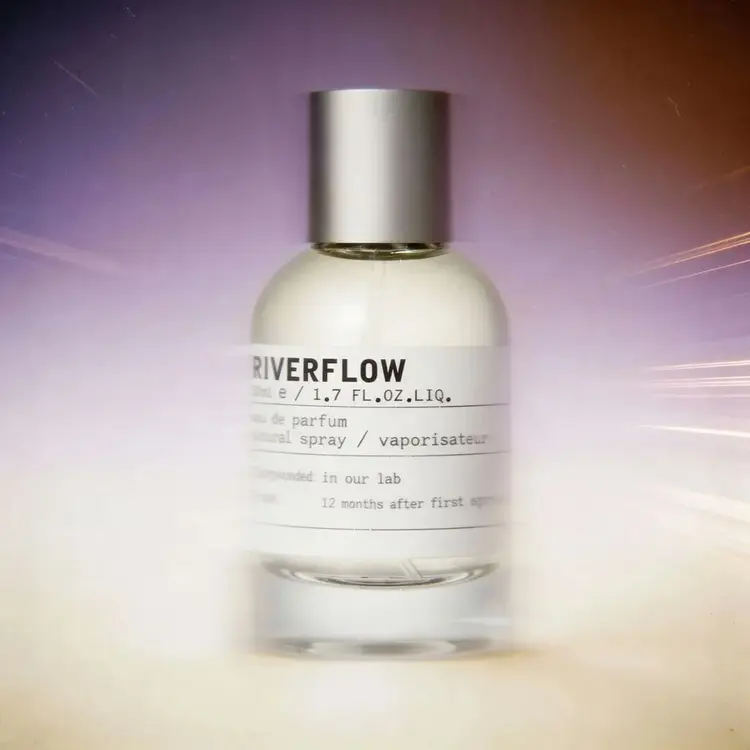
Riverflow 2.0 Pro is a text-to-image model built around precision: it handles font rendering inside generated images, something most image models get badly wrong. If you've ever tried to create a product label, a social media graphic, or a poster that needs readable text woven into the visual, you know the frustration of garbled letters and smeared typography. Riverflow 2.0 Pro solves that by accepting custom fonts (TTF, OTF, WOFF) directly as inputs, so the text in your image matches the typeface you actually specified. On Picasso IA, you can run it at up to 4K resolution across a full range of aspect ratios, from vertical mobile formats to wide cinematic crops.
How It Works
- Write your generation instruction in plain language, describing the scene, style, and any text you want to appear in the image.
- Upload up to two font files if you need specific typography in the output, and provide the text strings that should use each font.
- Optionally attach reference images to guide the composition, or let the model work from your text prompt alone.
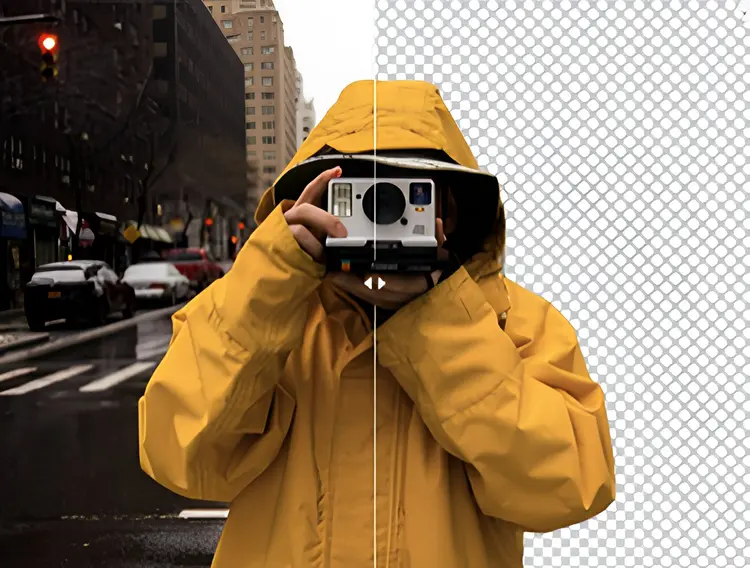
- Choose your target resolution (1K, 2K, or 4K), aspect ratio, and output format (WebP or PNG), and toggle transparent background on if you need to layer the result over another design.
- Hit generate. The model runs up to three internal reasoning iterations to refine the output before returning the final image.
Frequently Asked Questions
Do I need programming skills or technical knowledge to use this?
No, just open Riverflow 2.0 Pro on Picasso IA, adjust the settings you want, and hit generate.
Is it free to try?
Yes, you can run Riverflow 2.0 Pro on Picasso IA without a paid subscription to test it. Credit usage varies depending on the resolution and number of reasoning iterations you select.
Can I use my own fonts inside the generated image?
Yes. Upload up to two font files in TTF, OTF, WOFF, or WOFF2 format and pair each one with the text string you want rendered. The model incorporates that typography directly into the output rather than approximating it.
How long does it take to get a result?
Most generations finish in under 30 seconds at 1K resolution. Higher resolutions and more reasoning iterations add time, but 4K results typically arrive within a couple of minutes.
What output formats are supported?
You can download results as WebP or PNG. PNG is the better choice when you need a transparent background or lossless quality for print and client deliverables.
How do I get more consistent results across multiple runs?
Write a specific, detailed instruction and keep your resolution and aspect ratio settings fixed between runs. Using the same reference images as anchors also helps maintain visual continuity across a project.
What should I do if the result doesn't match what I described?
Make the instruction more specific about layout, color, and style, and raise the max iterations setting to give the model more steps to self-correct. Adding a reference image gives the model a concrete visual target to work toward.