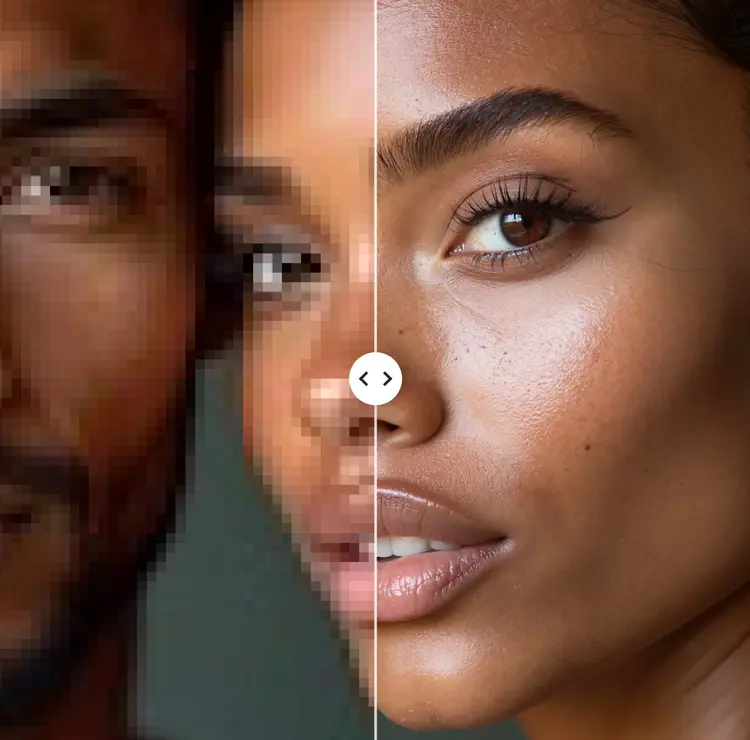
If you've ever recorded footage on an older camera or downloaded a video that looks blurry on a modern screen, you know the frustration of low-resolution content. This model takes your existing video and upscales it by 2x or 4x, producing output as sharp as 8K (7680×4320) — all from a simple file upload. No editing suite required. The upscaling process is trained on fully licensed, commercially safe data, which matters if you're using the output in client work or published content. You choose your scale factor, pick an output format from a solid range of options — MP4, MOV, WebM, MKV, or GIF — and the model handles the rest. Audio is preserved by default, so you don't lose your original soundtrack in the process. This fits cleanly into any post-production step where you need sharper footage fast. Upload the file, set your preferences, and get a high-resolution version back without jumping between apps. If you have video sitting on a hard drive that deserves a second life on a 4K or 8K screen, this is the fastest way to get there.
Video quality can make or break a project, and pixelated or low-resolution footage is one of the most frustrating problems creators face when repurposing older clips, scaling content for larger screens, or preparing videos for professional delivery. The video-increase-resolution model solves this directly by upscaling video files to resolutions as high as 8K, producing sharp, detailed output without requiring you to reshoot anything. Built on Picasso IA and trained exclusively on fully licensed, commercially safe data, it is a dependable option for anyone who needs broadcast-ready or print-quality video without the legal ambiguity that plagues many AI tools. Whether you are upscaling archival footage, a social media clip, or a client deliverable, the difference in output clarity is immediately visible.
Do I need programming skills or technical knowledge to use this? No — just open video-increase-resolution on Picasso IA, adjust the settings you want, and hit generate. The interface is built for creators, not developers, so there is nothing to install, configure, or script.
Is it free to try? Yes. You can run the model free online to test it on your own footage before deciding whether it fits your workflow. This makes it easy to evaluate the quality improvement on a real clip rather than relying on sample outputs.
How long does it take to get results? Processing time depends on the length of your clip and the target resolution you select. Shorter videos at moderate resolutions typically return results in under a minute, while longer files or 8K output may take a bit more time as the model works through each frame.
Can I customize the output quality or style? Yes. You can select the target resolution and adjust relevant settings before running the model. This gives you control over the trade-off between processing speed and output fidelity, so you are not locked into a one-size-fits-all result.
What output formats are supported? The model returns your upscaled video in a standard, widely compatible format suitable for editing software, streaming platforms, and direct client delivery. No additional conversion step is needed in most production workflows.
Where can I use the outputs? Because the model was trained on fully licensed, commercially safe data, you can use the outputs in commercial projects, client deliverables, paid advertising, and published content without restrictions tied to the AI's training material. Always verify your own footage rights independently.
What happens if I am not happy with the result? You can adjust your settings and run the model again. There is no penalty for iterating, and trying different resolution targets or input clips often produces noticeably different results. Experimentation is part of finding the right output for your specific footage.
Give video-increase-resolution a run right now and see exactly what your footage looks like at the resolution it deserves.