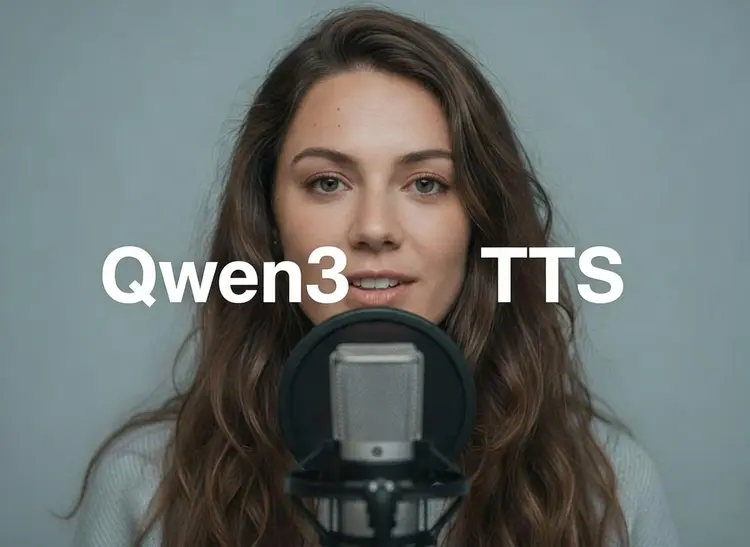
Voice Cloning takes a short audio recording of any speaker and turns it into a reusable digital voice profile. The usual problem with text-to-speech is that you are stuck choosing from a library of generic voices that sound nothing like you or your brand. This model solves that by letting you bring your own voice sample and using it to train a custom voice that speaks any text you write. The model works with MP3, M4A, and WAV files from 10 seconds up to 5 minutes. Optional noise reduction removes ambient sound from recordings made in less-than-ideal conditions. You can also choose which speech quality tier to train on, from a fast output mode to a high-definition version, depending on how polished you need the final audio to be. This fits naturally into any content workflow that requires consistent audio output. Upload a clean sample once, get a voice profile back, then use it across as many text-to-speech runs as your project requires. If you produce tutorials, audiobooks, narrations, or marketing audio, this cuts the time between script and finished audio significantly.
Voice Cloning takes a real audio recording and generates a digital replica of that voice, ready to speak any text you give it. If you do regular audio work, having to re-record the same voice for every new piece of content takes time you don't have. On Picasso IA, you upload a sample of the target voice, the model trains on it, and you receive a voice profile you can pair with text-to-speech runs going forward. The recording can be as short as 10 seconds, and the whole job runs in your browser with no installation or setup required.
Do I need programming skills or technical knowledge to use this? No, just open Voice Cloning on Picasso IA, adjust the settings you want, and hit generate.
Is Voice Cloning free to try? Yes, you can run the model without a paid plan to see the output quality. Check the pricing page for the number of free runs available under your account tier.
How long does it take to clone a voice? Most jobs finish in under a minute. Longer files and high-definition model options may take a bit more time, but results appear in your browser as soon as processing is done.
What audio formats does the voice file need to be in? The model accepts MP3, M4A, and WAV files. Keep the file under 20 MB and between 10 seconds and 5 minutes long for best results.
Can I reuse the same cloned voice across multiple text-to-speech runs? Yes. Once the cloning step is done, the voice ID stays active. You can pass it to as many speech generation runs as you need without uploading or cloning again.
What if the cloned voice doesn't sound accurate? A clean recording with a single speaker and minimal background noise gives the best results. If your current file has ambient sound, try enabling noise reduction before submitting, or re-record in a quieter space.
Everything this model can do for you
Works with audio clips as short as 10 seconds, so you don't need a long recording session.
Accepts MP3, M4A, and WAV files up to 20 MB, so you can use recordings from any device.
Cleans up background hiss and ambient sound from recordings made outside a quiet room.
Levels out audio inconsistencies so the cloned voice stays at a consistent playback volume.
The cloned voice works with several speech synthesis tiers, from fast turbo to high-definition output.
Adjust the text validation threshold to balance how strictly the voice matches pronunciation patterns.
Clone once and apply the same voice ID to as many TTS runs as you need without repeating the cloning step.
Ideal for personalization and accessibility