Overview
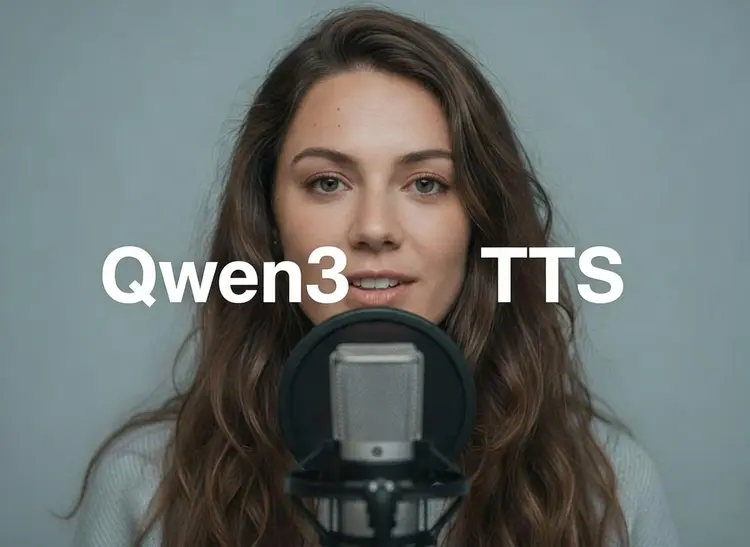
Qwen3 TTS converts written text into natural-sounding speech, giving you three distinct modes to match whatever your project needs: selecting a preset voice, cloning an existing one, or designing a brand-new voice from a written description. Whether you need a consistent narrator for a podcast series or a custom voice for a product walkthrough, the model adapts without requiring any audio engineering background. On Picasso IA, you type your text, choose your mode, and receive a finished audio file in seconds. Multilingual support covers over ten languages, so creators working across different regions can produce localized audio without switching tools.
How It Works
- Choose your TTS mode: Custom Voice for preset speakers, Voice Clone to Picasso IA a voice from a reference audio file, or Voice Design to describe the voice you want in plain text.
- Type or paste the text you want synthesized, then set the language manually or leave it on auto-detect.
- For Custom Voice mode, pick one of the available preset speakers and optionally add a style instruction like "speak slowly" or "excited tone" to shape the delivery.
- For Voice Clone mode, upload a short reference audio clip and optionally include a transcript of it to improve the accuracy of the cloned voice.
- For Voice Design mode, write a natural-language description of the voice you want (such as accent, tone, or warmth), generate the audio, and download the finished file.
Frequently Asked Questions
Do I need programming skills or technical knowledge to use this?
No, just open Qwen3 TTS on Picasso IA, adjust the settings you want, and hit generate.
Is it free to try?
Yes, you can run Qwen3 TTS on Picasso IA without any upfront payment. Check your account page for current usage details and available credits.
How long does it take to get results?
Most short texts return audio within a few seconds. Longer passages or Voice Clone mode with an uploaded reference file may take a bit longer depending on file size and length.
What languages does Qwen3 TTS support?
The model covers Chinese, English, Japanese, Korean, French, German, Italian, Spanish, Portuguese, and Russian. You can set the language manually or leave it on auto-detect and the model will identify it from your input.
Can I control how the voice sounds beyond choosing a preset speaker?
Yes. In any mode you can add a style instruction written in plain language, such as "calm and measured" or "enthusiastic and upbeat," to influence the pace, tone, and energy of the output.
What audio format does the output come in?
The model returns a standard audio file you can download and drop directly into video editors, podcast software, or any platform that accepts common audio formats.
What if the cloned voice doesn't match what I expected?
Try using a cleaner reference audio clip with minimal background noise, and include an accurate transcript in the reference text field. Small adjustments to the style instruction can also help dial in the result.