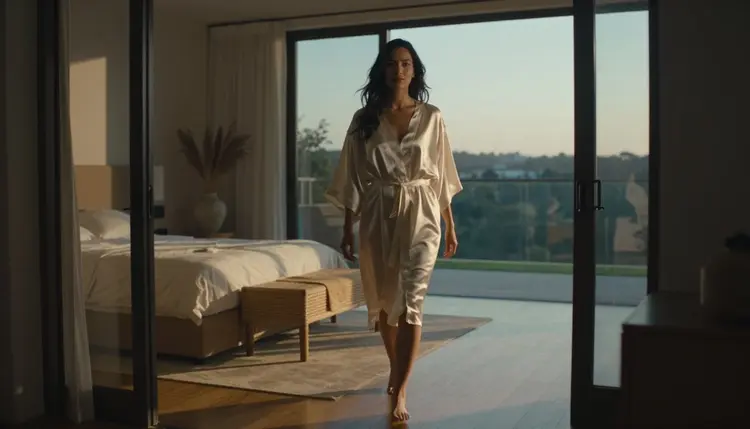
Most NSFW video prompts fail for the same reason: they describe a subject and stop there. A camera needs to know where it is, what it is looking at, and how it should move, or the render comes back stiff, over lit, and nothing like the scene in your head.
Below are five prompt concepts built specifically around LTX 2.3 Pro and Picasso Video, the two models on Picasso IA confirmed to generate adult, fictional video without a safety filter cutting the attempt short. Each one comes with the actual structure you can copy, adjust for your own character and setting, and run straight from the toolkit.
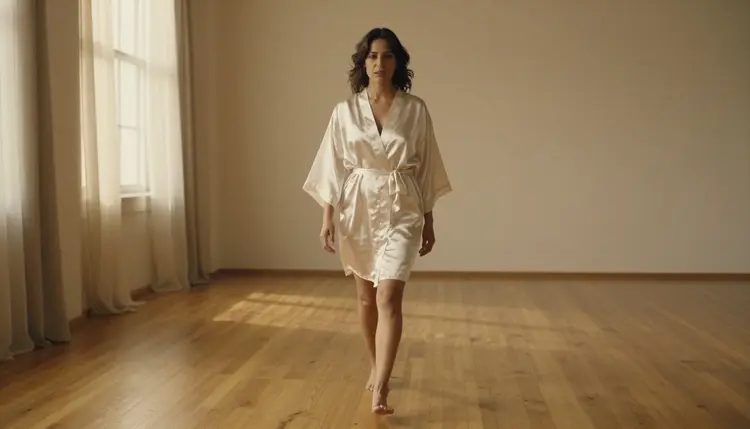
Write "a woman in a silk robe" and you'll get a woman in a silk robe standing in an empty void, because that's all the model has to work with. Video needs more information than a still image does: it needs to know what happens between the first frame and the last, not just what's in frame one.
The prompts below break a scene into five parts every time: who is in it, what they're wearing, where they are, how the camera moves, and what mood the lighting should carry. That's the difference between a clip that reads as a moment and one that reads as a posed photo with motion blur added on top. LTX 2.3 Pro in particular rewards this structure, since it was built to hold a camera move steady across a whole shot rather than just animate a single frame.
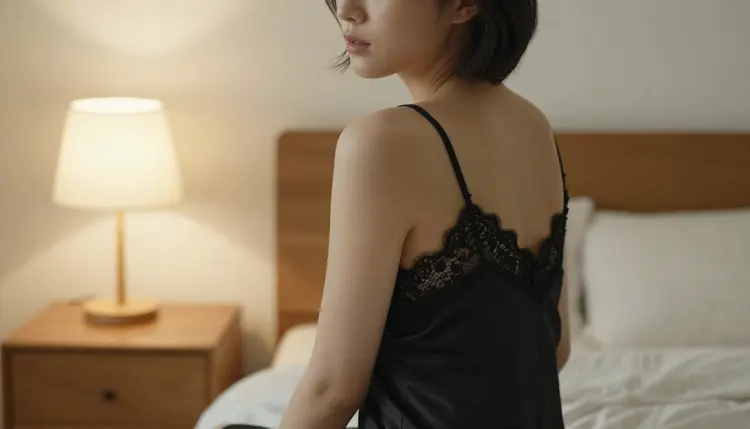
None of the five ideas below need much more than that five-part structure, a sentence or two per part, to produce something close to what you're picturing on the first or second try.
Each idea is written as a template. Swap the wardrobe, the room, and the character description for your own, and keep the camera direction close to what's here, since that's the part doing most of the work.
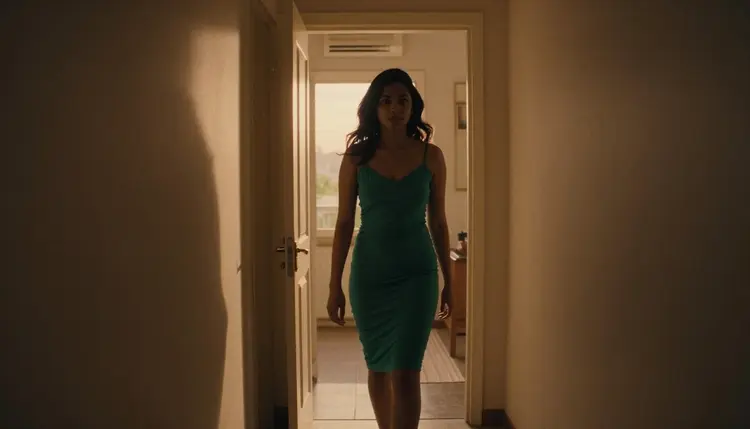
- The Slow Reveal Entrance. An adult character in a flowing robe or gown walks into a sunlit or softly lit room while the camera holds steady or drifts backward, letting the fabric and the light do the movement instead of the body alone.
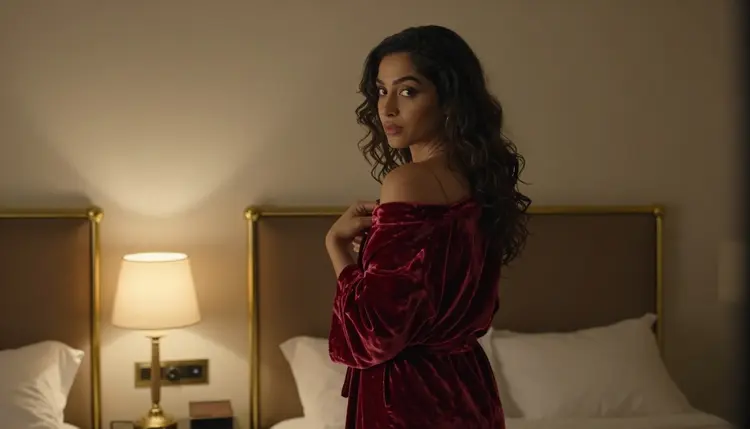
- The Over-the-Shoulder Glance. The subject turns back toward the camera mid-step, catching the viewer's eye for a beat before turning away again, a short motion that tests how well a model handles a natural head and shoulder turn.
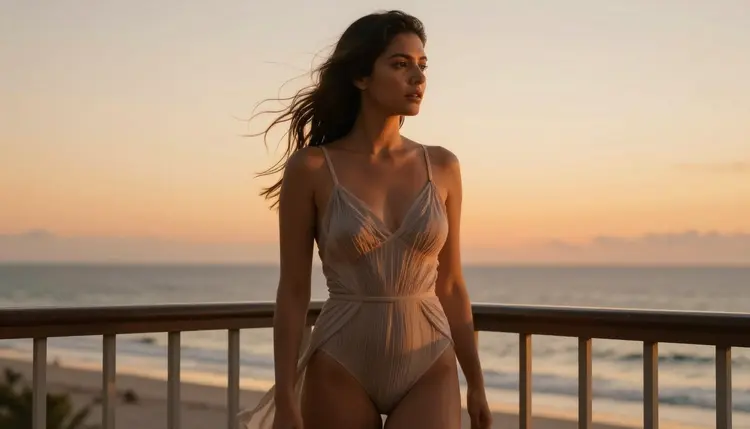
- The Golden Hour Terrace. Set on a rooftop or balcony at dusk, wind moving through loose hair and fabric, string lights or a city skyline soft in the background, a scene built around atmosphere more than action.
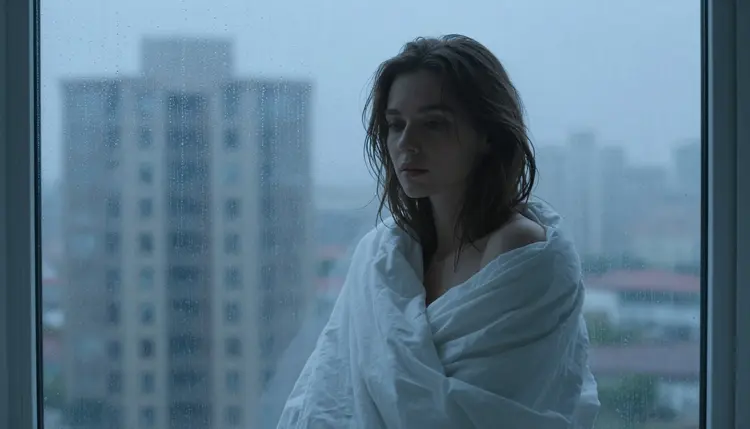
- The Rain-Streaked Silhouette. A figure wrapped in a sheet or robe stands backlit against a window streaked with rain, the camera close and still, testing how a model handles silhouette, backlight, and a slow, minimal movement.
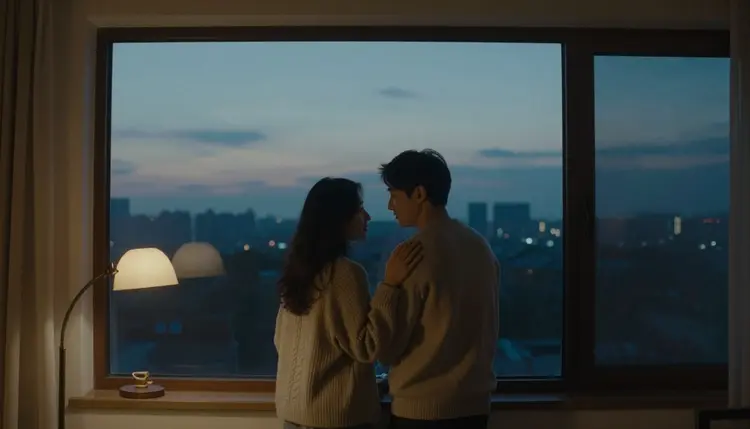
- The Two-Person Embrace. Two adult characters stand close near a window at dusk, the camera holding a wide, steady frame, a scene that leans on chemistry and stillness rather than motion.
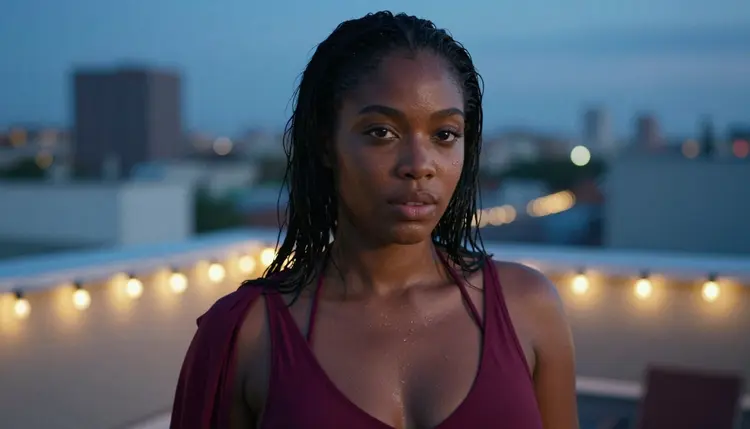
Idea three, the golden hour terrace, is the one that tends to surprise people the most: atmosphere and lighting carry more of a scene's mood than the action does, and both LTX 2.3 Pro and Picasso Video render dusk light and moving hair convincingly.
LTX 2.3 Pro and Picasso Video are the only two video models on Picasso IA confirmed to generate adult, fictional content directly, without a safety filter standing between your prompt and the render. Every other video model on the platform runs prompts through its own content filter first, and an adult prompt there usually comes back refused rather than rendered, no matter how it's worded.
The two aren't interchangeable in what they're best at. LTX 2.3 Pro leans cinematic: camera pushes, pans, and orbits hold together across a clip the way a directed shot would, which is why ideas like the terrace scene or the rain-streaked silhouette above tend to look best coming out of it. Picasso Video is the steadier, more direct option when the scene itself is doing the work and the camera should mostly stay out of the way, a close embrace, a slow turn, a held glance.
If you're not sure which to reach for, run the same prompt through both. Credits are shared across every model on the platform, so testing a scene on both engines before committing to a longer, higher-resolution render costs you a short draft, not a second full render.
Once you have an idea picked, the five-part structure from earlier turns it into an actual prompt. Here's what each part is doing.
Subject and wardrobe come first, since everything else in the prompt is describing the space around them. Be specific about fabric and fit, silk, velvet, lace, a loose sheet, because the model renders how material moves differently depending on what you name.
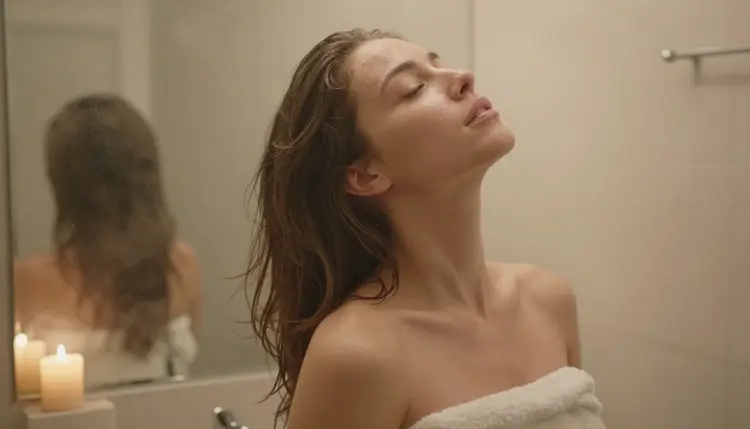
Setting and lighting come next. A sunset hallway, a steamed bathroom, a rain-streaked window each carry their own mood before a single action happens, so naming the light source, golden hour, string lights, a single lamp, does real work.
Motion comes last and should be the smallest part of the prompt, one clear camera direction and one clear subject movement. A prompt asking for three different camera moves and two unrelated actions tends to confuse the render more than it helps it. Pick one turn, one walk, one glance, and let that be the whole shot.
If a render comes back close but not quite right, change one part of the structure at a time, the wardrobe, then the lighting, then the motion, rather than rewriting the whole prompt from scratch. That's the fastest way to learn which part of your wording is actually steering the result.
Picasso IA is an adults-only platform, and everything above assumes an account holder who is 18 or older generating fictional adult content for themselves. That's not a soft suggestion, it's the baseline every one of these prompt ideas is written against.
Every character in every one of these scenes has to be a fictional adult. Picasso IA does not allow content built around a real person's likeness, a public figure, or anyone who could be read as a minor, regardless of how carefully the prompt is worded or which model renders it. LTX 2.3 Pro and Picasso Video being confirmed filter-free for adult fiction does not loosen that boundary, it only means a well-written fictional scene doesn't get blocked the way it would on a model that filters all mature content outright.
Your generations stay private by default. What you render with your own account is not surfaced to other users or browsable by anyone else, so testing a prompt idea, including one of the five above, isn't something you need to do half-heartedly out of concern for who might see the draft.
Turning any of the five ideas above into a clip takes the same handful of moves inside the toolkit. Pick text to video as your mode, choose LTX 2.3 Pro or Picasso Video from the model list, and paste in a prompt built from the five-part structure: subject, wardrobe, setting, motion, mood.
Duration and resolution are set per render, and the credit cost updates live in the generation panel as you adjust them, so you always see the price before committing. A short, lower-resolution draft is the cheap way to check whether a prompt idea is working before you spend more on a longer version.
New accounts start with free credits, enough to test a few of these ideas before spending anything, and current plan details live on the pricing page rather than repeated here, since the numbers change over time.
What makes a good NSFW AI video prompt?
A good prompt names the subject and wardrobe, the setting and its light source, and one clear camera or subject movement, all in a sentence or two per part. Vague, single-line prompts tend to come back flat, while a prompt built from those five parts gives LTX 2.3 Pro and Picasso Video enough to work with on the first try.
Which Picasso IA models can generate NSFW video without a filter?
LTX 2.3 Pro and Picasso Video are the two video models on Picasso IA confirmed to generate adult, fictional content directly, without a safety filter blocking the attempt. Every other video model on the platform applies its own content filter and will typically refuse an adult prompt.
Can I use these prompt ideas with a real person's photo?
No. Every character in every prompt has to be fictional and clearly adult. Picasso IA does not allow content built around a real person's likeness or a public figure, on any model, regardless of how the prompt is written.
Do I need to write a long prompt for LTX 2.3 Pro?
No, but it needs to be specific. A short prompt that still names the subject, wardrobe, setting, one camera move, and one action will outperform a long prompt that never gets concrete about any of those parts.
What's the difference between LTX 2.3 Pro and Picasso Video?
LTX 2.3 Pro leans cinematic, with camera pushes and pans that hold together across a shot, which suits scenes built around movement and atmosphere. Picasso Video is the steadier option for scenes where the subject carries the moment and the camera mostly stays still.
How much does an NSFW video generation cost?
Cost scales with the duration and resolution you choose, not a flat per-model rate, and the exact credit cost is shown in the generation panel before you submit. New accounts start with free credits, and current pricing details live on the pricing page.
Can I combine two of the five ideas into one prompt?
You can, but a single clear scene tends to render better than two ideas layered into one prompt. If you want both, it's usually faster and cheaper to generate two short clips and pick the stronger one than to ask a single render to do both jobs at once.
Will my NSFW video generations be visible to other users?
No. Generations made on your account stay private by default and are not surfaced to other users or made browsable anywhere on the platform.
What happens if I try an adult prompt on a different model?
Most other models apply their own content filter and will show a message that the content isn't supported, rather than rendering it. Picasso IA then suggests switching to a confirmed model like LTX 2.3 Pro or Picasso Video and carries your prompt over automatically.
Do I need to be an adult to use these prompts?
Yes. Picasso IA is an adults-only platform, every character described in these prompt ideas has to be a fictional adult, and using any of them assumes an account holder who is 18 or older generating fictional content for themselves.