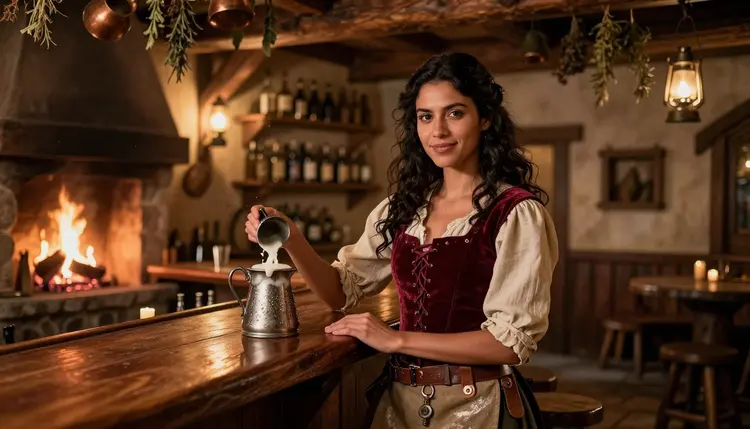
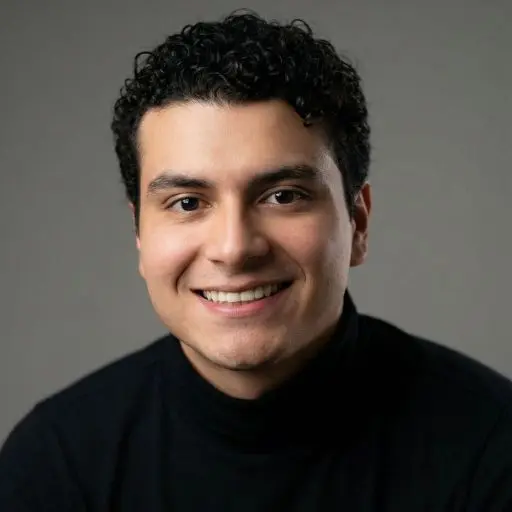
Every campaign runs on more than the party sitting at the table. It runs on the tavern keeper who remembers a name after one visit, the merchant who always has one item nobody else stocks, the innkeeper who lets the party sleep upstairs when the whole town is full for the festival. These characters get a voice, a personality and a handful of lines in the campaign notes, but almost never a face, and when a GM tries to picture one of them in an intimate or NSFW scene for their own private worldbuilding, most AI tools either reject the prompt outright or hand back a generic fantasy figure that could be standing behind any bar in any campaign.
Picasso IA runs a catalog of hundreds of models, and only six of them are confirmed to generate an adult scene directly instead of blocking it. For a painted, illustrated NPC, the one that matters here is Recraft V4.1 Pro, which renders tavern light, market stalls and fabric with an illustrated finish closer to a character portrait than a photograph, the same register most campaign art already lives in.
This page walks through five steps for building a specific NPC instead of a generic one, the confirmed models behind it, how to prompt a tavern or a market scene, and the rules that keep every NPC a fictional adult rather than anyone real.
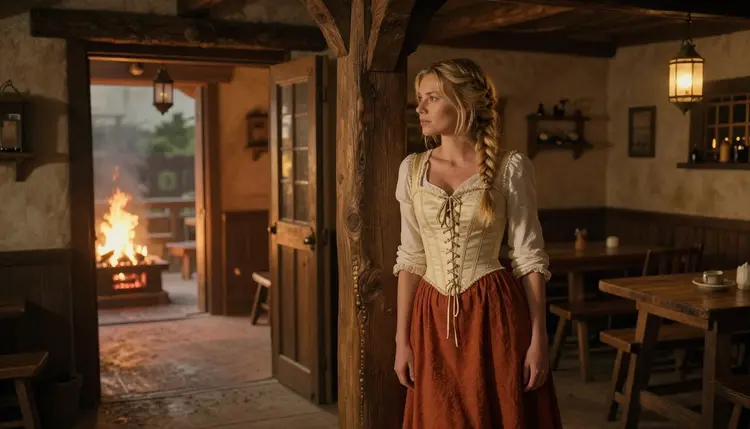
A tavern keeper described only as "a barmaid" renders differently every single time, and none of those results is actually the NPC who has been running the same tavern in the same campaign for a dozen sessions. The fix is the same one that already works for a player character: name the details that make this NPC specific before describing anything else, hair color, build, the one signature item they always carry, the way they dress for the job they do. A merchant who always wears a particular ring or an innkeeper who never takes off her apron becomes recognizable across a dozen different generations, a dozen different scenes, the same way a recurring character in a novel is recognizable from one chapter to the next rather than reintroduced from scratch.
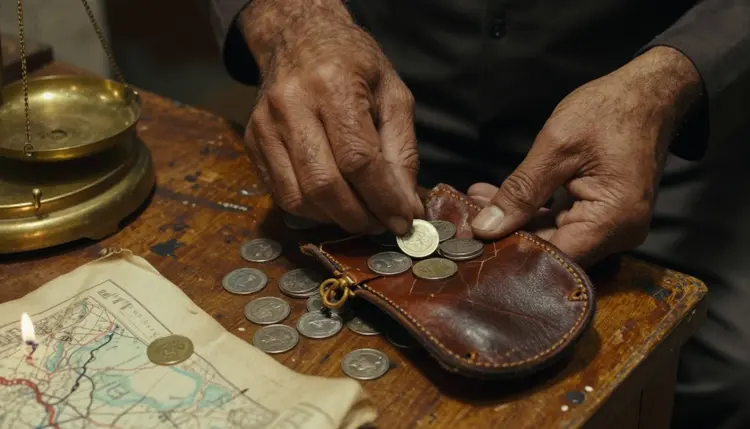
A GM who runs the same NPC for months benefits from that consistency more than almost anyone else at the table, since the character reappears at the inn, at the market stall, behind the same bar counter, session after session, and a vague prompt turns each appearance into a new stranger instead of the same familiar face the party has come to know. A little extra detail up front saves a lot of guessing later, and it is the difference between an NPC portrait and a stock fantasy figure with a name attached.
Turning an NPC from a paragraph of notes into a finished portrait comes down to five repeatable steps, the same five whether the character runs a tavern, a market stall or the only inn in town.
- Pick the Illustrated Model. Open the toolkit and choose Recraft V4.1 Pro, the illustrated style confirmed to render adult tavern and market scenes without rejecting the prompt.
- Describe Your NPC in Detail. Write the character's build, hair, clothing and one signature item before describing the pose, so the result reads as your specific NPC and not a generic fantasy figure.
- Set the Scene and Camera Angle. Name the location, a tavern bar, a market stall or a hearth side, and the camera angle, close up, waist up or a wide shot, since a vague scene produces a vague result.
- Generate and Review the Details. Run the prompt and check the hands, the apron and the counter first, since those are the details a market or tavern scene is most likely to blur together.
- Refine with the Image Editor. Send the result to Picasso Image Editor Pro if one detail, a ring, a shawl or a stack of coins, needs a fix instead of starting the whole prompt over from scratch.
An NPC built this way holds up at the bar as easily as behind a market stall, because the description driving the render never changed, only the scene and the lighting around it did.
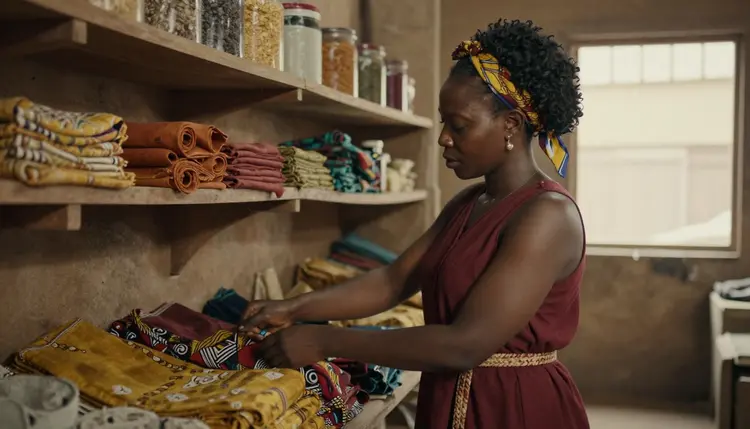
Not every model in Picasso IA's catalog generates adult content, and treating an unconfirmed one as filter free wastes a prompt and a generation. Six models across the whole catalog are confirmed to render NSFW scenes directly, without a safety filter stepping in, and for a campaign NPC specifically three of them matter most.
Recraft V4.1 Pro is the primary pick for a campaign NPC specifically, since its illustrated output matches how most tavern and market scenes already look in campaign art and on a splash page. Seedream 4.5 and Qwen Image 2 are the two to reach for if a photoreal version of the same NPC is wanted instead, closer to a photo than a painting. Every other model in the catalog, however capable it is at everything else, is not confirmed to behave the same way with an adult prompt and should be treated as filtered until proven otherwise.
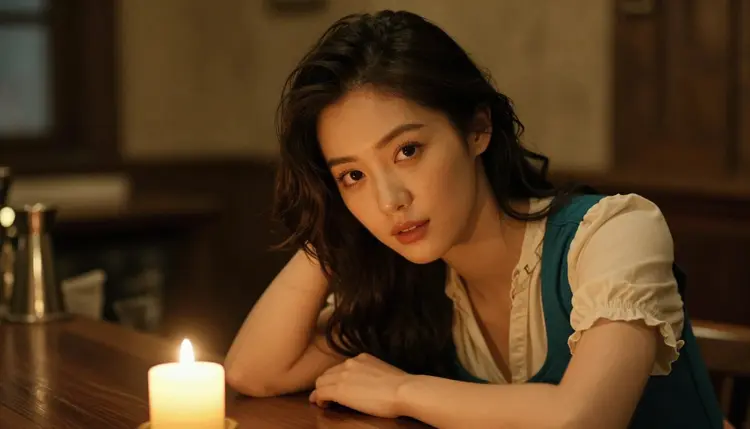
Picasso Video and LTX 2.3 Pro extend the same confirmed list to motion, so a finished NPC portrait can become a short scene, a tankard being poured, a coin spinning across a counter, built from the same description that made the original image.
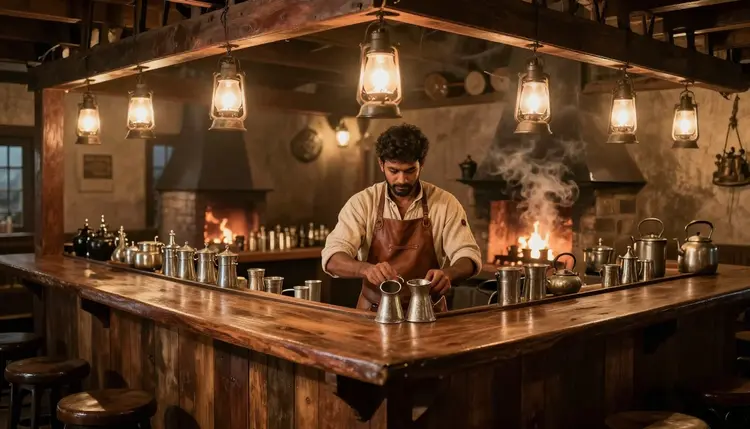
The fastest way to lose an NPC's identity in a prompt is to describe the room before the character. Lead with who they are, then place them somewhere, not the other way around, the same order a player would use introducing a new NPC to the table.
Clothing and props read best when named piece by piece rather than summarized in one word. An apron alone renders differently every time, while naming the ivory corset, the shawl, the leather pouch at the belt and how it is worn gives Recraft V4.1 Pro something specific to hold onto across multiple generations of the same NPC.
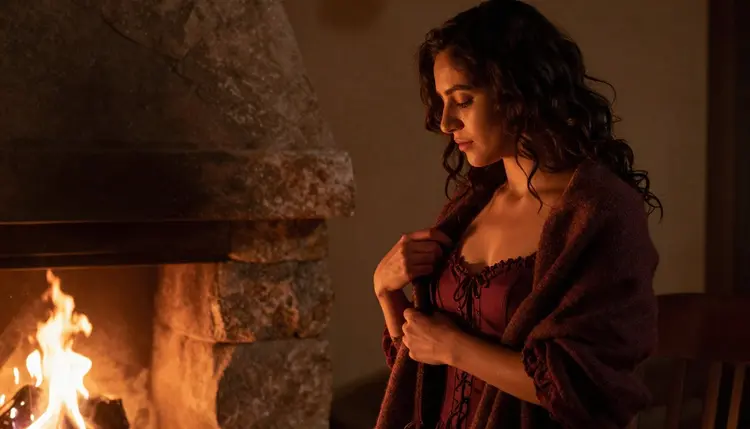
Camera angle changes the read of a scene more than almost anything else in the prompt. A close up over a candlelit bar counter reads as a private moment, a high angle over a stall of fabric or tankards reads as an ordinary working day, and hands unfolding a parchment map beside two lit candles reads as a quiet planning scene rather than anything staged for the party to see.
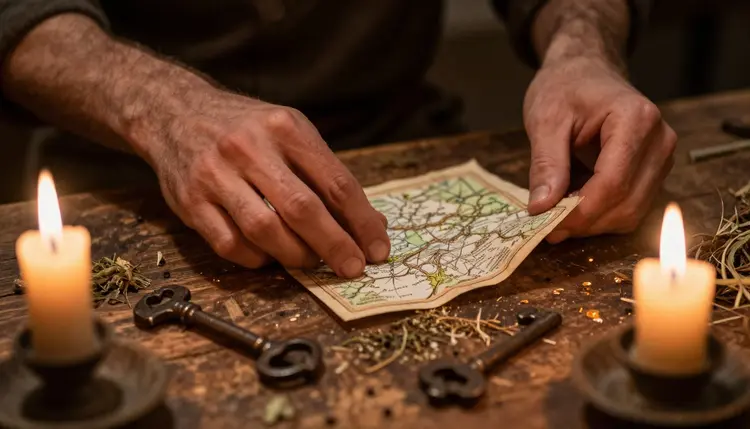
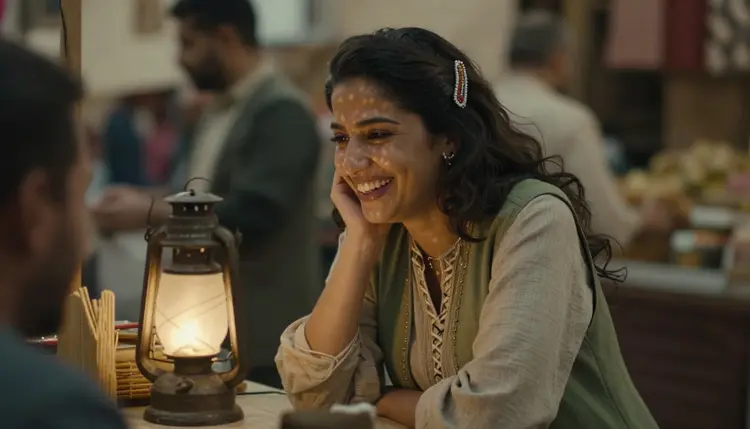
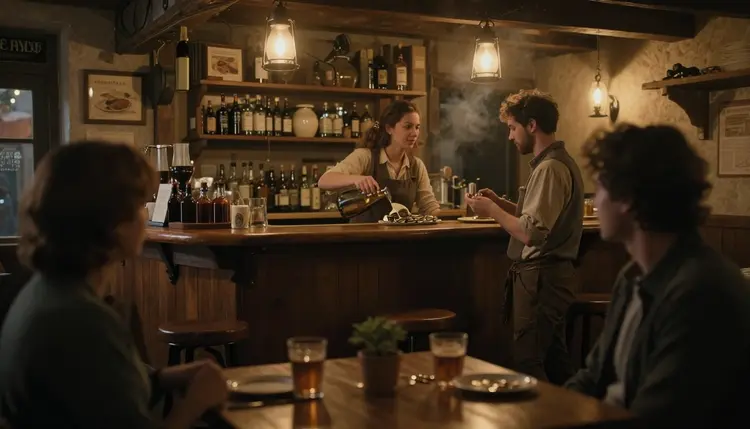
Market and tavern scenes benefit from naming the light source directly, a firelit doorway, a single lantern, candlelight pooling on a bar top, since that one detail does more to sell the mood than several lines describing the room itself. The same goes for the hour a scene implies, a busy tavern at dusk reads differently from a quiet hearth corner late at night, even before a single line of dialogue is written for the NPC standing in it.
This is 18+ content, and every NPC generated through it has to stay that way. Every character rendered here is a fictional adult, invented for a campaign, never a minor regardless of how young a backstory is written, and never the likeness of a real, identifiable person without that person's consent. This is not a limit layered on top of the six confirmed models, it is the actual boundary of what NPC art on Picasso IA is for, art of a character a GM made up, not a way to render someone real.
Generations stay private by default. What gets made is tied to the account that made it, not posted or shared anywhere on the site, so testing different versions of the same tavern keeper or merchant is not something other players or visitors ever see, and a whole campaign's worth of NPC portraits can sit in one account without anyone else at the table needing to know how many drafts it took.
Picasso IA runs on a shared credit system across its whole catalog, including the six confirmed models used for adult content. New accounts start with free credits, enough to test Recraft V4.1 Pro against Seedream 4.5 on the same NPC description before settling on a style. Image and video models draw credits at different rates, and for some models the resolution or length selected changes the cost, so current numbers and what each plan includes live on pricing rather than being repeated here.
There is no separate paywall for adult content specifically. The six confirmed models sit in the same catalog and cost structure as the hundreds of other models on the site, they simply do not reject an adult prompt the way an unconfirmed one does, which is what makes a whole roster of tavern keepers and merchants affordable to build out over a long campaign rather than just one.
Can I generate NSFW art of an NPC I made up for my campaign?
Yes, as long as the NPC is a fictional adult, this is 18+ content, and not the likeness of a real person. Recraft V4.1 Pro is the confirmed model built for this kind of illustrated tavern or market scene, and the five steps above cover how to describe an NPC so the result actually looks like the one running your campaign.
Which model gives the closest look to painted tavern and market art?
Recraft V4.1 Pro. Its illustrated output sits closer to a painted character portrait than a photograph, which matches how most tavern and market scenes already look in campaign art, and it is one of six models across the catalog confirmed to generate adult scenes directly.
Can I keep the same tavern keeper or merchant consistent across many scenes?
Consistency comes from repeating the same detailed description, not from a setting that locks a face. The more specific the recurring details, a particular ring, an apron color, a hairstyle, the closer each new generation lands to the last one, whether the NPC is behind a bar or a market stall this time.
Can I put two NPCs, like a merchant and an innkeeper, in the same scene?
Yes. Describe each character separately before describing what they are doing together, the same approach used for any two figure scene, and generate with Recraft V4.1 Pro or Seedream 4.5, both confirmed to handle two characters sharing one frame.
Can I use an existing portrait or token to guide a new image?
Picasso Image Editor Pro, one of the six confirmed models, edits an existing image directly, so a reference portrait or an earlier generation of the same NPC can be adjusted instead of starting a fresh prompt from nothing.
Do I need to redescribe my NPC's clothing every time?
Yes, the physical details, clothing, build, hair, signature props, need repeating in every prompt for the same NPC to stay consistent across a tavern scene, a market scene or anything else generated afterward in the campaign.
Can an NPC portrait become a short video instead of a still image?
Yes. Picasso Video and LTX 2.3 Pro are the two confirmed models for adult motion, and both work from the same kind of description used to build a still portrait, so a finished NPC image can be reworked into a short moving scene.
What happens if I try a model that is not one of the six confirmed?
It applies its own safety filter and rejects the prompt. Picasso IA shows a message explaining the content is not supported by that model and offers to switch to one of the six confirmed models, carrying the same prompt over.
Is my NPC art private, or can other people using the site see it?
Generations stay tied to the account that made them and are private by default, not posted or shared anywhere on the site, so testing different versions of the same NPC is not visible to other players or visitors at the table.
Can I try this before paying for a subscription?
Yes. New accounts start with free credits that work across the catalog, including the six confirmed models, so Recraft V4.1 Pro can be tested on an NPC description before deciding whether to subscribe. Current plans are listed on pricing.