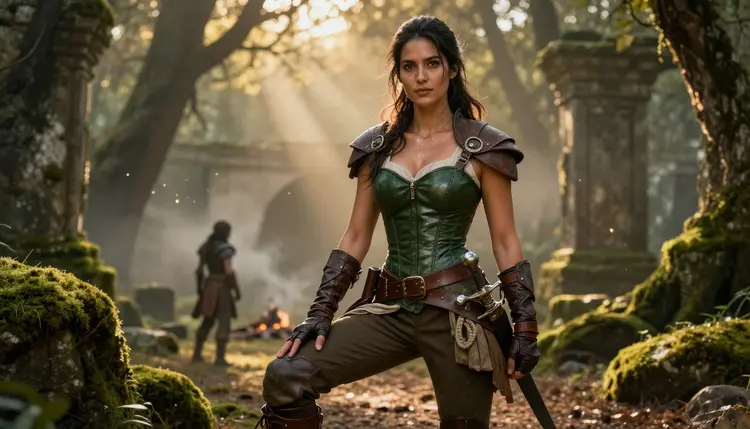
An indie adult game needs a cast, not a single picture: a love interest, a rival, a bartender NPC who shows up in three scenes, and every one of them has to look like they belong in the same world. Drawing that cast by hand is the actual bottleneck for most small teams, more than the writing and more than the code.
This page covers Recraft V4.1 Pro, one of six models on Picasso IA confirmed to run with no content filter, and the one of those six built for illustration rather than photography, which is what a game's character sheet actually calls for. It walks through what the model renders well, a five step loop for turning a brief into finished art, and the rules that apply to every fictional adult character it draws.
Everything below applies whether the project is a visual novel, a dating sim, or a longer narrative game, and every example character named on this page is invented for it.
Most of the models in the Picasso IA catalog apply a content filter and refuse a scene the moment it reads as intimate or adult, showing a Content Not Supported by This Model message and carrying the prompt to a model that will actually run it, so nothing typed gets lost. Recraft V4.1 Pro is one of those alternatives, confirmed filter free, and it is the one of the six built for illustration and stylized art rather than a photographic look, which lines up with how most adult games actually draw their cast.
It shares that filter free status with five other models, and each one earns its place for a different job. Seedream 4.5 is the photorealistic pick, closer to boudoir photography than game art. Qwen Image 2 is the open source option for a prompt that lists several separate things at once, useful for a busy scene with more than one character in frame. Picasso Image Editor Pro edits an existing piece instead of generating one from scratch, handy for fixing a hand or swapping an outfit on art already chosen as final. Picasso Video and LTX 2.3 Pro handle motion, for a title screen or a scene transition built from a still. See the full catalog for everything else on offer.
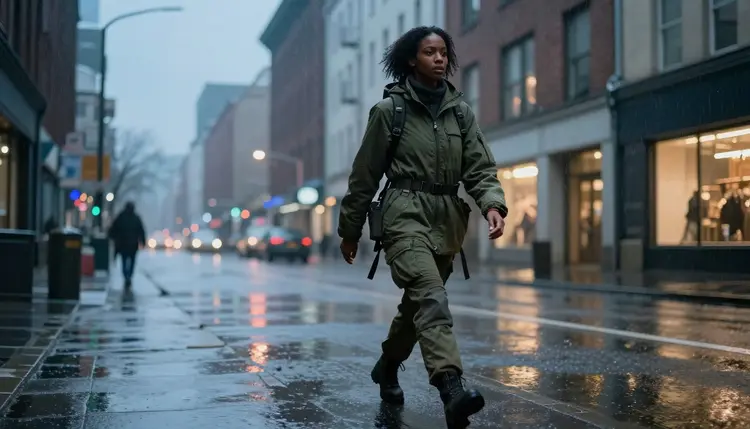
A close prop, brass goggles pushed up on a forehead, a jacket's zipper pull, a signet ring, is where a lot of illustration models blur into a smudge, and it is also where a returning character gets recognized scene after scene, so it is worth checking early whether a model holds up under that kind of close look.
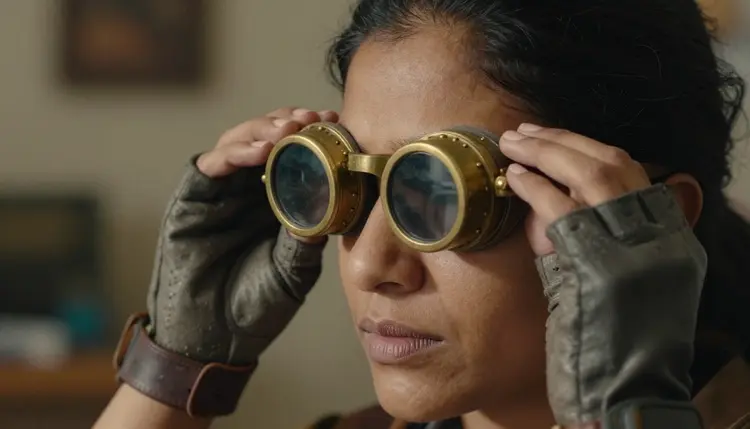
Recraft V4.1 Pro is a text to image model built around illustration, vector art, and stylized rendering, not a photographic look. That matters for a game because most adult visual novels and dating sims are drawn, not photographed, and a model that leans toward clean linework and flat, confident color reads as game ready in a way a photorealistic model does not.
The model holds up across a wide stylistic range: a painterly fantasy look, a cel shaded anime style, a noir illustration with heavy shadow, a soft romance cover look. What carries across all of them is a consistent line weight and color choice when the prompt repeats the same style words, which is the actual requirement for a cast that has to share one world.

A desert wanderer and a noir detective are two different genres of story, and Recraft V4.1 Pro renders both convincingly as long as the prompt commits to a setting's own logic, the weight of sand scoured linen against the sheen of a rain wet trench coat.
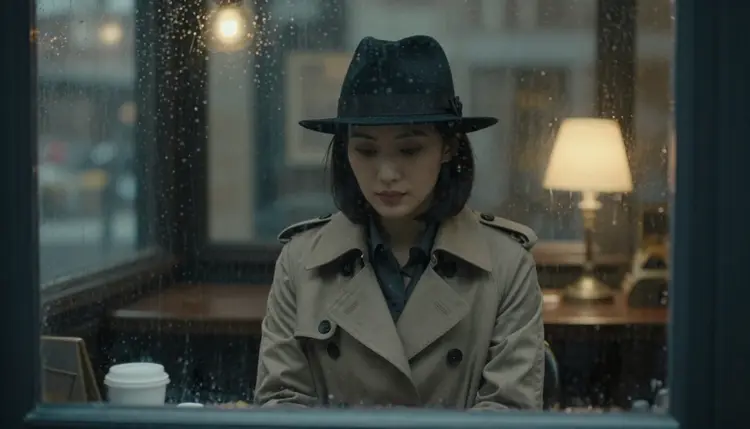
If the brief calls for a photograph instead of an illustration, a dating sim built around realistic portraits rather than drawn ones, Seedream 4.5 is the better tool for that specific job; Recraft V4.1 Pro keeps pulling toward an illustrated look even when a prompt asks for realism.
Turning a character brief into art worth shipping is a short loop, and it stays the same whether this is the first character in the cast or the fifteenth.
- Write the Character Brief First. Name the fictional adult character, their role in the game, their outfit, and the setting before deciding on a style, so Recraft V4.1 Pro has a full brief to render instead of a vague description.
- Lock a Style Reference in the Prompt. Describe the art direction, painterly, cel shaded, noir illustration, and repeat that same wording across every character so the cast reads as one game rather than ten different tests.
- Open the Toolkit and Select Recraft V4.1 Pro. The model sits among the text to image options, and picking it before typing the prompt avoids a wasted generation on a model that would filter the scene.
- Generate a Batch and Compare Costume Details. A small batch from the same prompt shows how consistently the model reads material and color, goggles, buckles, fabric folds, the props that make a character recognizable at a glance.
- Refine One Character Before Moving to the Next. Adjust a single detail, the coat, the pose, the light, rather than rewriting the whole brief, and only lock a character as final once it survives a side by side compare with the rest of the cast.
A finished character rarely comes from a single generation. It comes from running this loop two or three times per character and treating the first batch as a sketch rather than a final answer.
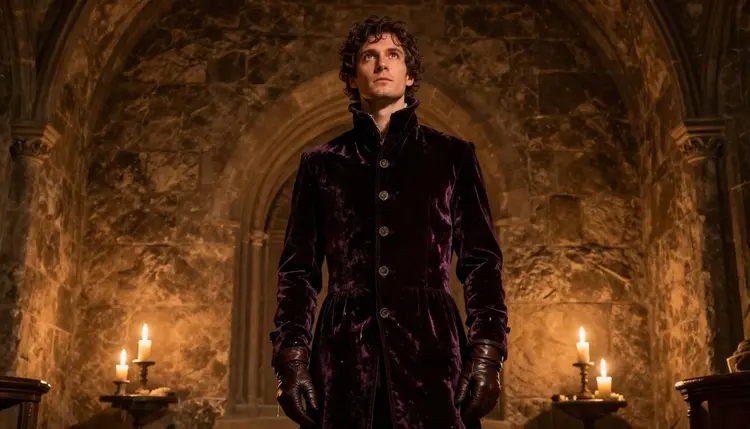
Consistency is the actual hard problem for a game's cast, harder than any single image. Repeat the same style phrase in every prompt for the project, painterly illustration, soft cel shading, whatever was chosen first, since that repeated wording is what keeps ten characters reading as one game instead of ten different tests.
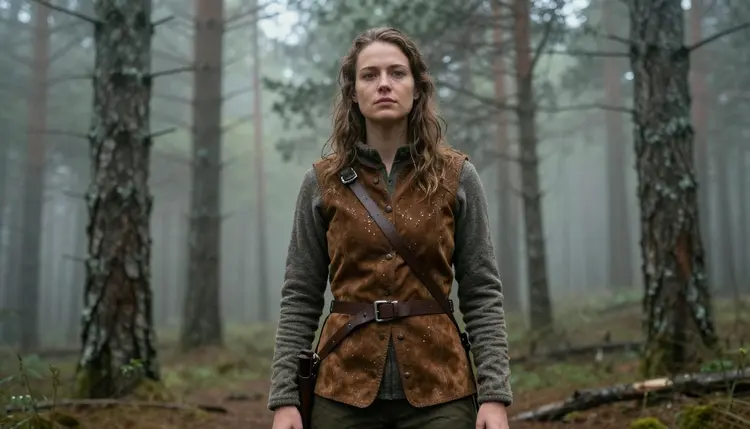
Name materials and colors the exact same way every time a character reappears. A rust orange suede vest renders differently from an orange vest because the model has something concrete to reason about, and typing the same phrase for the same character across every scene is what keeps their outfit from drifting from one generation to the next.
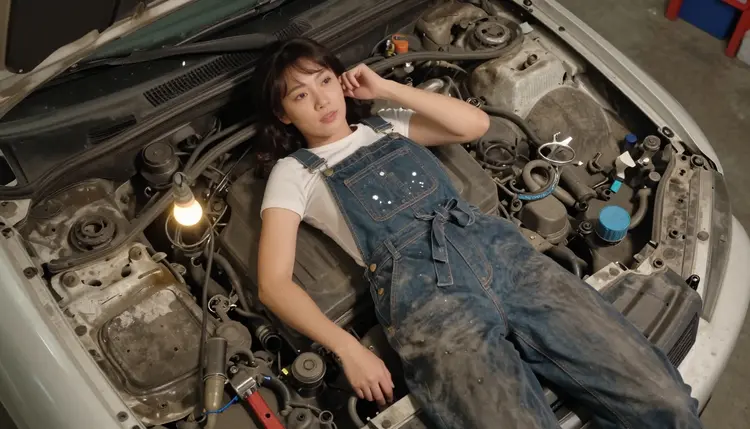
Camera angle and pose are worth naming as deliberately as outfit and face: a low aerial angle over a mechanic mid repair reads as an action beat, while a posed three quarter shot reads as a character introduction, and the two need different prompt language even for the same character.
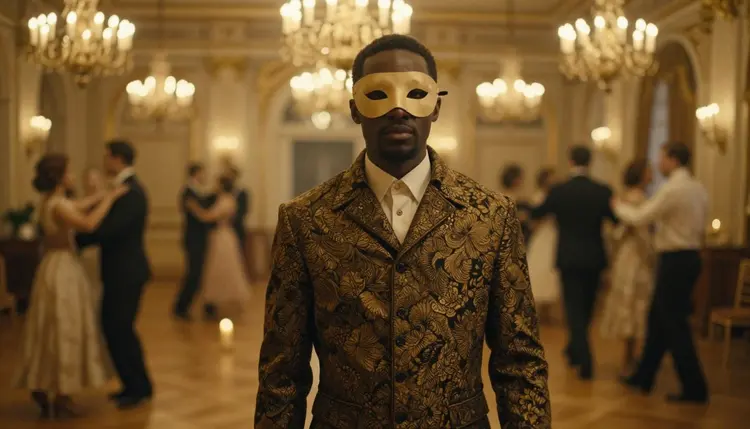
Save the exact wording that worked, the face description, the outfit, the style phrase, in a single document outside the app, and reuse it word for word for every new scene that character appears in. That one habit does more for a consistent cast than any single clever prompt.
Everything generated for this page is for adults, eighteen and over, and every character in a cast built this way must be fictional, invented for the game rather than based on anyone real. No real person's likeness belongs in a roster like this, with or without a claimed resemblance, and no character may be written or drawn to read as a minor, in any art style, romance game included. Prompts that cross either line are refused and violate the platform's terms regardless of which model is running them.
Recraft V4.1 Pro having no content filter changes what kind of scene it will render, not who it will render. The rules about a character's age and about never using a real person's likeness apply the same way on every model in the catalog, filter free or not.
Picasso IA keeps generations private by default, so a roster still being sketched out, including a character nobody outside the studio has approved yet, is not visible to anyone else while the game is still in progress. What ships in the finished game and where it gets listed is a separate decision, governed by the storefront or platform the game lands on rather than by anything here.
Generations on Picasso IA are paid for with credits, spent per image rather than through a subscription tied to a single model. A new account starts with free credits, enough to run the loop above across a handful of characters before deciding whether more are needed. Image generations sit toward the cheap end of what the app offers, well under the cost of a video generation.
Building a cast rarely means paying for every character at full resolution on the first try. Iterating on a rough version first, comparing a small batch, and only refining the one worth keeping is the efficient way to spend credits on a project with ten or twenty characters ahead of it, on Recraft V4.1 Pro or any other model in the catalog.
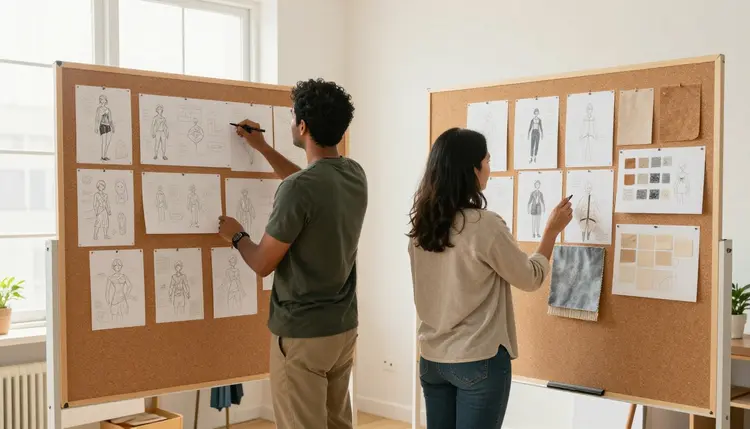
That corkboard habit, sketching a whole roster loosely before committing credits to a polished version of any single character, carries over directly: decide the cast on paper or in a rough batch first, then spend the credits that turn a keeper into a finished piece. Exact credit amounts change as the catalog evolves, so current numbers live on the pricing page rather than printed here where they would go stale.
Does Recraft V4.1 Pro really generate NSFW character art with no filter?
Yes. Recraft V4.1 Pro is one of six models on Picasso IA confirmed to run with no content filter, alongside Seedream 4.5, Qwen Image 2, Picasso Image Editor Pro, Picasso Video, and LTX 2.3 Pro. An intimate or suggestive character scene runs through it the same way any other prompt does, with nothing to reword or disguise to get past a filter that is not there.
Why is Recraft V4.1 Pro a good fit for an indie adult game's cast specifically?
Most adult visual novels and dating sims are drawn rather than photographed, and Recraft V4.1 Pro is the filter free model built for illustration and stylized art rather than a photographic look, which is what a character sheet for a drawn game actually needs.
Can a character stay consistent across many scenes and outfit changes?
Largely yes, as long as the prompt repeats the same style phrase and the same wording for a character's face and materials in every scene. Saving that exact wording outside the app and reusing it word for word is what keeps a returning character recognizable rather than subtly different each time.
What art styles can Recraft V4.1 Pro produce for a game project?
It covers a wide range within illustration: painterly fantasy art, cel shaded anime style, noir illustration with heavy shadow, and a soft romance cover look, and it holds a consistent line weight and color choice across a cast when a prompt's style wording stays the same from character to character.
Is Recraft V4.1 Pro free to use on Picasso IA?
New accounts start with free credits, which cover several character generations before anything needs to be purchased. Beyond that, generations are paid for with credits rather than a flat subscription per model, and current pricing is kept up to date on the pricing page rather than stated here.
Can I put a real person or a celebrity likeness into my game's cast?
No. Every character generated here must be a fictional adult, eighteen and over, invented for the game rather than modeled on anyone real, and a real person's likeness, celebrity or otherwise, is not permitted with or without a claimed resemblance. Prompts that attempt it are refused and violate the platform's terms.
What if a character needs a photorealistic look instead of an illustrated one?
Recraft V4.1 Pro keeps pulling toward an illustrated result even when a prompt asks for realism, so it is not the right tool for that brief. Seedream 4.5 is the photorealistic, filter free pick on Picasso IA, and it is the better choice for a dating sim built around realistic portraits.
Can I edit a character image after generating it, to fix one detail?
Yes. Picasso Image Editor Pro can adjust a generated character directly, fixing a hand, swapping an outfit piece, or changing one prop with a plain instruction instead of a fresh generation from scratch, and it is also confirmed filter free.
How many generations does a single character usually take before it is ready to ship?
There is no fixed number, but two or three rounds of generating a small batch, keeping the closest result, and changing one detail is a normal distance to a character worth keeping. A single very long, over specified prompt is usually harder to satisfy than a shorter one refined over a few rounds.
Can a finished character illustration become an animated scene for the game?
Yes, through a separate step. Picasso Video can animate a finished still into a short clip, and LTX 2.3 Pro generates cinematic video directly from a prompt, both confirmed filter free. The efficient order is to lock the still character art first, since an image generation costs less than a video one.