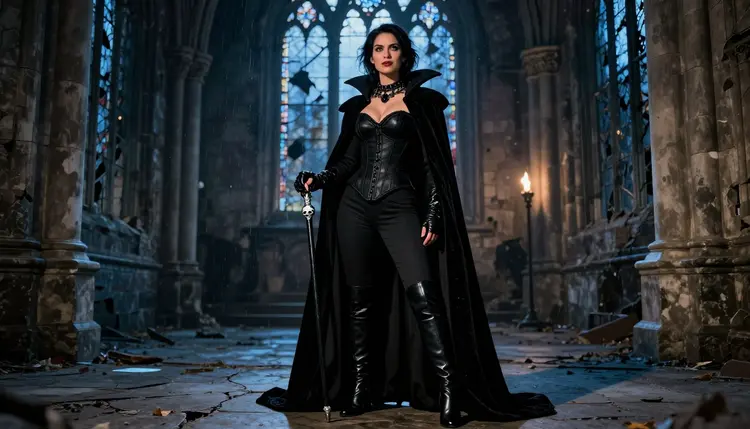
Every original villain earns their menace before they say a single line, through the coat that moves like smoke, the ring that catches candlelight, the stare that makes a hero flinch. Turning that character from a written description into an actual portrait, something as intimate as it is intimidating, usually runs into two problems: most AI image models refuse anything that reads as adult, and the ones that do not refuse still hand back a generic evil sorceress who could belong to anyone's story instead of yours.
Picasso IA runs a catalog of hundreds of models, and only six of them are confirmed to generate adult content directly instead of blocking the prompt. For a stylized, illustrated villain portrait, the one that matters most here is Recraft V4.1 Pro, a model built for design and illustration rather than photorealism, closer to concept art than a photograph. This page walks through a five step process for turning your villain's backstory into a finished portrait, the full list of confirmed uncensored models, and how to prompt wardrobe, props and lighting so the result reads as your character rather than a stock fantasy figure.
Everything here is for a fictional adult character only, invented for a story, a game or a personal project, and every model mentioned sits inside the same account and the same credit balance as the rest of Picasso IA's catalog.
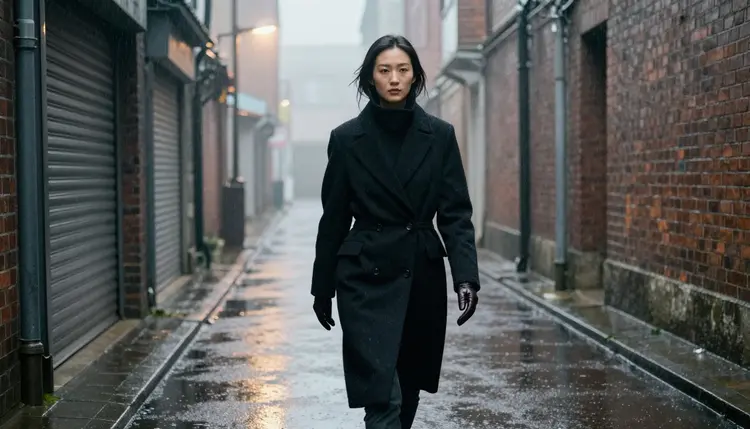
A hero's design usually leans toward clarity: bright colors, an open stance, a face the audience is meant to trust. A villain works in the opposite direction, and that difference is exactly what most generic AI prompts fail to capture. Shadow, restraint and a single striking detail do more work than an elaborate outfit ever could, and an illustration model like Recraft V4.1 Pro is built to render that kind of restraint instead of flattening it into a generic dark fantasy look.
The detail that makes a villain memorable is rarely the whole outfit. It is one repeated object: a ring, a specific weapon, a piece of jewelry that shows up in every scene regardless of what else the character is wearing. Naming that one prop consistently across every prompt is what turns a random dark figure into a recognizable character with a history.
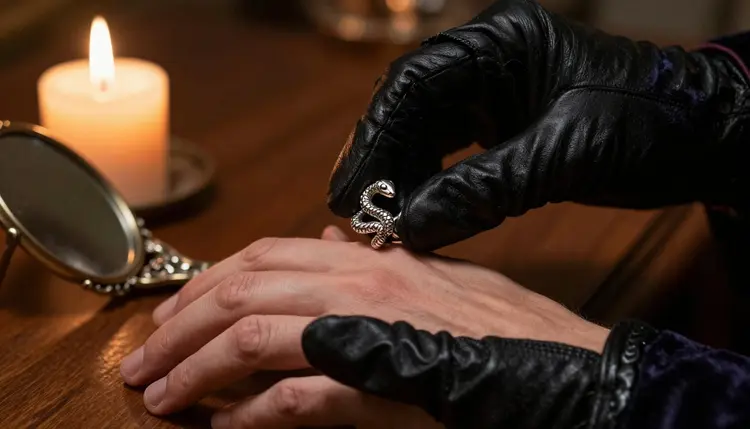
Recraft V4.1 Pro responds well to that kind of prompt, gothic textures, cold metal, candlelight catching a single detail, because it treats each generation as a piece of design rather than a snapshot. That is also why it is the primary pick for this kind of project rather than a photoreal model: the goal is a character portrait with the finish of concept art, not a photograph of someone in a costume.
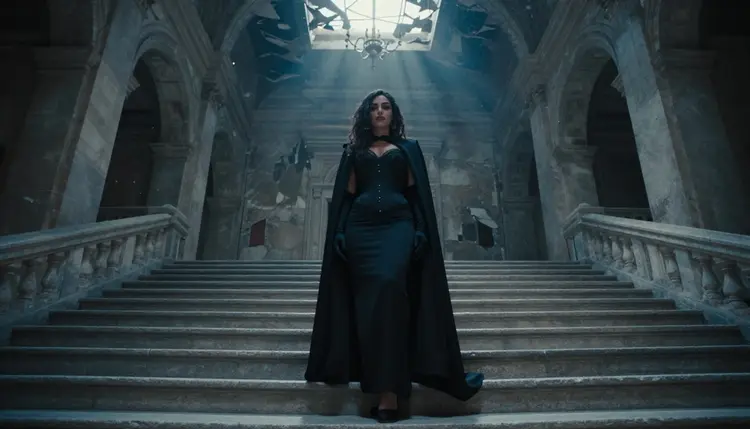
Turning a villain from an idea into a finished, on model portrait comes down to five repeatable steps, the same five whether the scene is a ruined staircase, a stormy tower or a torch lit throne room.
- Write Your Villain's Signature Details First. Describe the one prop, garment or physical trait that has to appear in every image before describing the pose or the scene, so the character stays recognizable across generations.
- Open the Toolkit and Select Recraft V4.1 Pro. Find it in the toolkit or in the full catalog under text to image, the confirmed model built for this kind of illustrated, adult character portrait.
- Describe the Scene and the Mood. Name the setting, a ruined staircase, a stormy window, a torch lit corridor, and the lighting that sets the tone, since a vague scene produces a vague villain.
- Generate and Check the Signature Detail. Run the prompt and look first at the one prop or trait meant to identify the character, since that detail is the first thing a fantasy outfit tends to blur.
- Refine with the Image Editor. Send the result to Picasso Image Editor Pro if one element, a ring, a clasp or a fold of fabric, needs a fix instead of rewriting the whole prompt from scratch.
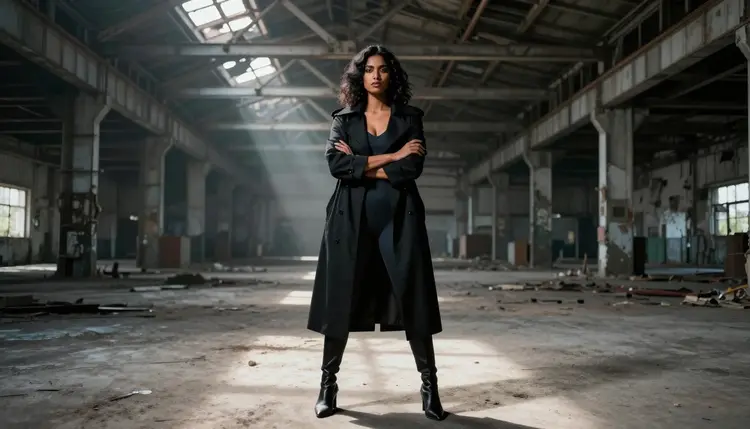
A villain built this way holds up across a warehouse confrontation as easily as a candlelit throne room, because the description driving the render never changes, only the scene around it does.
Not every model in Picasso IA's catalog generates adult content, and treating an unconfirmed one as filter free wastes a prompt and a generation. Six models across the whole catalog are confirmed to render adult scenes directly, without a safety filter stepping in.
Recraft V4.1 Pro is the primary pick for an original villain specifically, since its illustrated finish matches concept art and character design work rather than a photograph. Seedream 4.5 and Qwen Image 2 are the two to reach for if a photoreal version of the same villain is wanted instead, closer to a photo than a painted portrait. Picasso Image Editor Pro edits an existing image directly, useful for refining one detail of a portrait already generated rather than starting over.
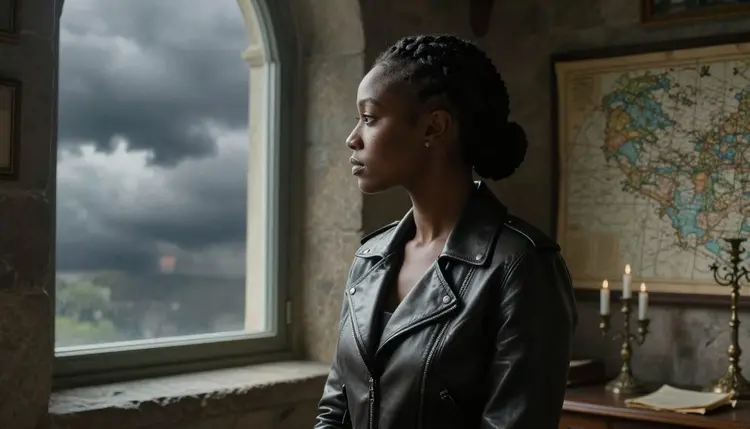
Picasso Video and LTX 2.3 Pro extend the same confirmed list to motion, so a finished villain portrait can become a short scene, a cape moving in wind, a storm flashing against a tower window, built from the same description that made the original image. Every other model in the catalog, however capable at everything else, is not confirmed to behave the same way with an adult prompt and should be treated as filtered until proven otherwise.
The fastest way to lose a villain's identity in a prompt is to describe the scene before the character. Lead with who they are, then place them somewhere, not the other way around.
Wardrobe reads best when named piece by piece instead of summarized in one word. A black coat alone renders differently every time, while naming the collar, the fabric weight and how it moves in wind gives Recraft V4.1 Pro something specific to hold onto across multiple generations of the same character.
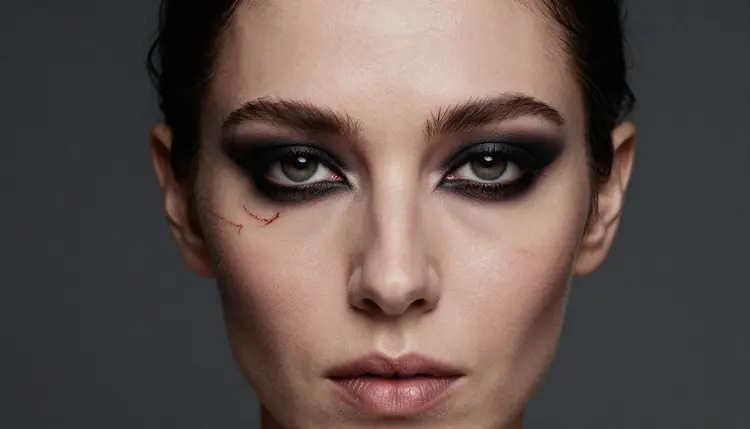
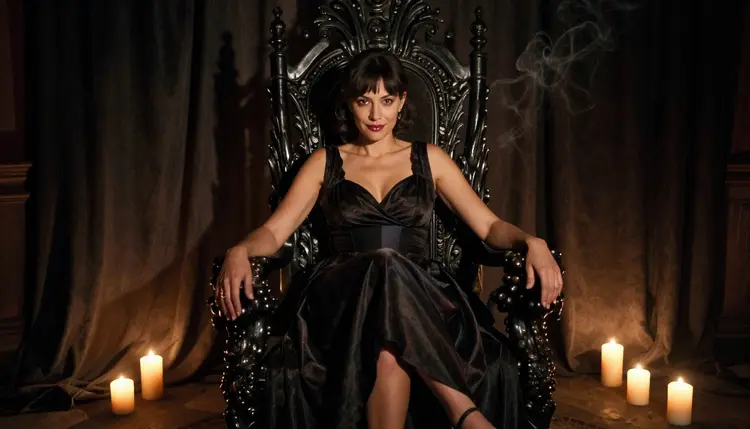
Face and makeup detail carries as much characterization as an outfit does. Smoky eyes, a sharp brow, a deliberate expression rather than a neutral one, these small choices are what separate a portrait that reads as a specific villain from one that reads as a generic dark figure.
An original villain does not have to be a woman, and the same process works exactly the same way for a male antagonist: name his signature garment, his expression and his prop just as specifically, and Recraft V4.1 Pro renders him with the same illustrated finish.
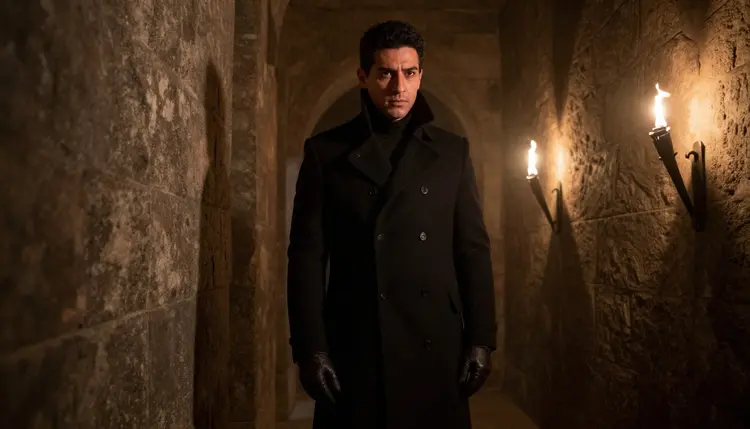
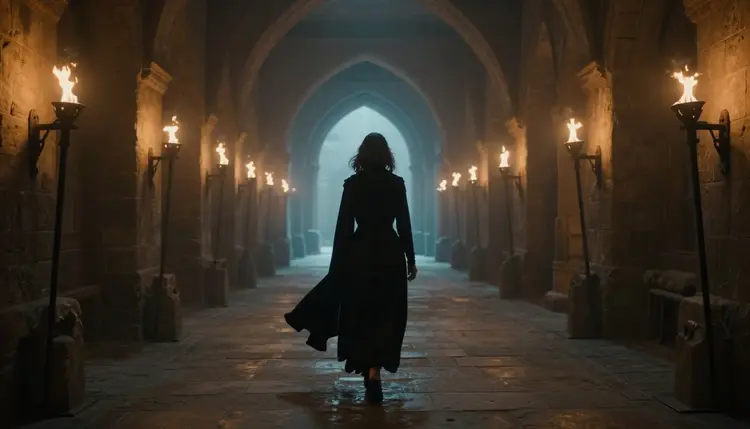
Lighting changes the read of a scene more than almost anything else in the prompt. Candlelight reads as intimate and controlled, a storm flashing through a window reads as unstable, and torchlight in a stone corridor reads as old power. Naming the light source directly does more to sell the mood than several lines describing the room around it.
This is 18+ content, and everything generated through it has to stay that way. Every villain rendered here is a fictional adult, invented for a story or a game, never a minor regardless of how young the character's backstory reads, and never the likeness of a real, identifiable person without that person's consent. This is not a limit layered on top of the six confirmed models, it is the actual boundary of what villain art on Picasso IA is for, art of a character, not a way to render someone real.
Generations stay private by default. What gets made is tied to the account that made it, not posted or shared anywhere on the site, so testing different looks for the same villain is not something other visitors ever see.
Picasso IA runs on a shared credit system across its whole catalog, including the six confirmed models used for adult content. New accounts start with free credits, enough to test Recraft V4.1 Pro against Seedream 4.5 on the same villain description before settling on a style. Image and video models draw credits at different rates, and for some models the resolution or length selected changes the cost, so current numbers and what each plan includes live on pricing rather than being repeated here.
There is no separate paywall for adult content specifically. The six confirmed models sit in the same catalog and cost structure as the hundreds of other models on the site, they simply do not reject an adult, in character prompt the way an unconfirmed one does.
Can I generate NSFW art of my own original villain?
Yes, as long as the character is a fictional adult, this is 18+ content, and not the likeness of a real person. Recraft V4.1 Pro is the confirmed model built for this kind of illustrated character portrait, and the five steps above cover how to describe a villain so the result actually looks like them.
Which model gives the closest look to concept art rather than a photograph?
Recraft V4.1 Pro. Its illustrated finish sits closer to a painted character design than a photograph, which matches how most original villain art already looks, and it is one of six models across the catalog confirmed to generate adult scenes directly.
Can I design a male villain with the same process?
Yes. The same five steps and the same prompting approach work for a male antagonist, naming his signature garment, expression and prop just as specifically produces a result with the same illustrated finish as a female villain.
Do I need to describe my villain's signature prop every time?
Yes, repeating the one object, a ring, a weapon or a garment detail meant to identify the character, keeps every new generation recognizable as the same villain, rather than a different dark figure each time.
Can I use an existing portrait to guide a new pose or scene?
Picasso Image Editor Pro, one of the six confirmed models, edits an existing image directly, so an earlier generation of the same villain can be adjusted instead of starting a fresh prompt from nothing.
Can I put my villain and another character in the same scene?
Yes. Describe each character separately before describing what they are doing together, the same approach used for any two figure scene, and generate with Recraft V4.1 Pro or Seedream 4.5, both confirmed to handle two characters in one frame.
Is it possible to keep my villain's face consistent across many images?
Consistency comes from repeating the same detailed description, not from a setting that locks a face. The more specific the recurring details, a scar, an eye color, a jaw shape, the closer each new generation lands to the last one.
Can a villain portrait become a short video instead of a still image?
Yes. Picasso Video and LTX 2.3 Pro are the two confirmed models for adult motion, and both work from the same kind of description used to build a still portrait, so a finished villain image can be reworked into a short moving scene.
What happens if I try an adult prompt on a model that is not one of the six confirmed?
It applies its own safety filter and rejects the prompt. Picasso IA shows a message explaining the content is not supported by that model and offers to switch to one of the six confirmed models, carrying the same prompt over.
Is my villain art private, or can other people using the site see it?
Generations stay tied to the account that made them and are private by default, not posted or shared anywhere on the site, so testing different versions of a villain is not visible to other visitors.