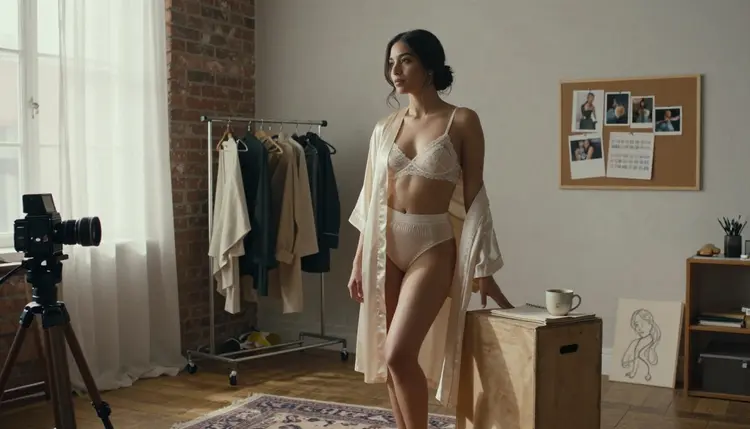
Commissioning an artist for an intimate or adult piece of your original character means the artist needs something to draw from: a body type, a pose, a wardrobe, a lighting mood. Most commissioners solve this by borrowing photos from the internet, which rarely match the character's actual build and carry a copyright risk the moment they land in someone else's inbox, or by skipping reference entirely and hoping the artist guesses right.
Picasso IA runs a catalog of hundreds of models, and only six of them are confirmed to render an adult scene directly instead of blocking the prompt. For a private reference set built to hand off to a commissioned artist, the one that matters most is Seedream 4.5, it holds a described build, skin tone and proportions steady across many generations, which is exactly what a reference sheet needs and a single borrowed photo never gives.
This page covers how to describe your character so a full set of reference shots actually looks like one person, the confirmed models behind it, and the rules that keep the whole set fictional, private and consensual, nothing here relies on a real photo of anyone, borrowed or otherwise.
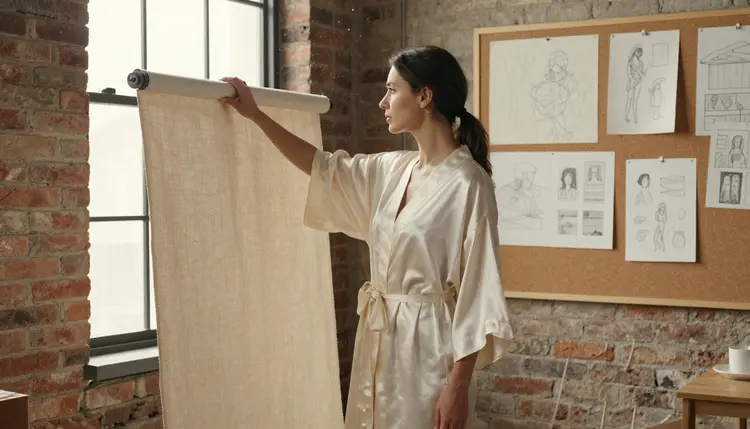
A borrowed reference photo has a body that is not your character's body, lighting that does not match the scene you actually pictured, and a copyright attached to whoever took it. Sending it to a commissioned artist as a stand in for your original character's build means the artist is drawing someone else's proportions with your character's name attached, and if the photo is traced too closely that becomes a problem for both of you.
A generated reference sheet carries none of that baggage. The build, the skin tone, the hair and the wardrobe are all described by you, so what comes back belongs to your character and no one else, and there is no source photo anywhere in the chain for a copyright claim to attach to.
Seedream 4.5 is the model that makes this work as a set rather than a single lucky image. Describe your character once, in detail, and it holds that description steady across a front view, a three quarter turn, a close up on the face and a seated pose, so an artist opening ten reference shots sees one consistent person instead of ten separate attempts at the same idea.
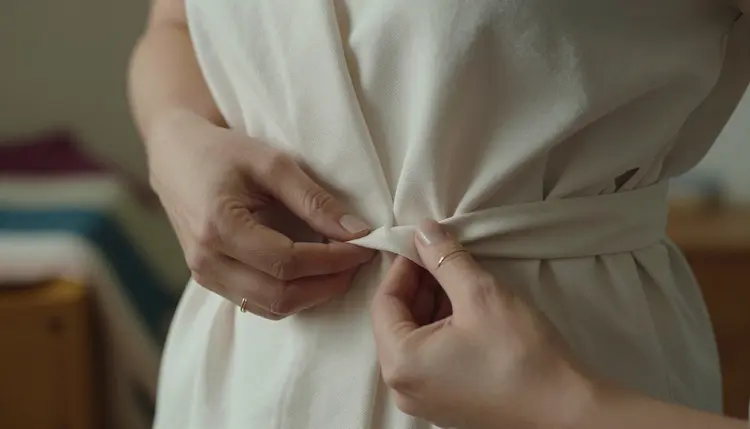
Building a reference sheet an artist can actually work from comes down to five repeatable steps, whether the commission is a single portrait or a full turnaround sheet.
- Pick the Photoreal Model. Open the toolkit and choose Seedream 4.5, the confirmed uncensored model built to hold a described character steady across multiple photoreal shots.
- Describe the Character's Build and Features. Write hair color, skin tone, body type and any defining feature before touching wardrobe or pose, since this is the part every later shot needs to match.
- Set the Wardrobe and Pose for This Shot. Name the robe, the sash, the angle and the setting for one specific shot rather than trying to describe the whole sheet at once.
- Generate Several Angles of the Same Description. Repeat the exact character description and change only the pose, a front view, a turned shoulder, a seated angle, so the set reads as one continuous shoot.
- Refine with the Image Editor. Send any shot to Picasso Image Editor Pro if one hand, fold or detail needs a fix instead of regenerating the whole set.
A reference sheet built this way holds together the way an artist expects a real photo shoot to, one character, one lighting mood, several angles, because the description behind it never changed between shots.
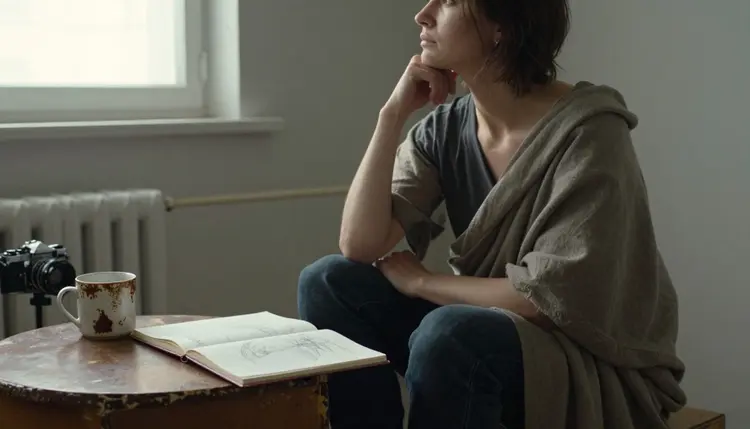
Not every model in Picasso IA's catalog generates adult content, and treating an unconfirmed one as filter free wastes a generation. Six models across the whole catalog are confirmed to render NSFW scenes directly, and for a photoreal commission reference, one of them does most of the work.
Seedream 4.5 is the primary pick for a commission reference set specifically, since its photoreal output is what most artists expect a reference photo to look like, and it keeps proportions consistent from one generation to the next. Qwen Image 2 is a solid alternative when a different angle or lighting setup needs more flexibility than the first attempt gave. Recraft V4.1 Pro is worth reaching for instead when the commissioned piece itself will be illustrated rather than painted from a photo, since a painterly reference matches a painterly commission better than a photoreal one does.
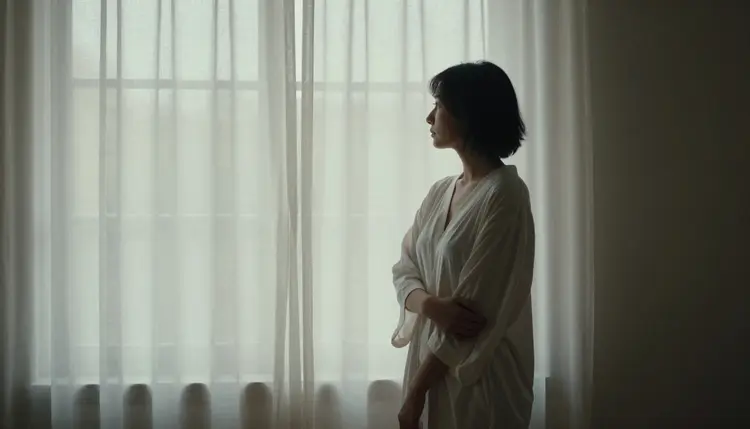
Picasso Image Editor Pro handles the small fixes, a stray fold, a hand, a strap, without a full regeneration. Picasso Video and LTX 2.3 Pro extend the same confirmed list to motion, so an artist who animates can receive a short reference clip instead of only stills, built from the same character description that made the photos.
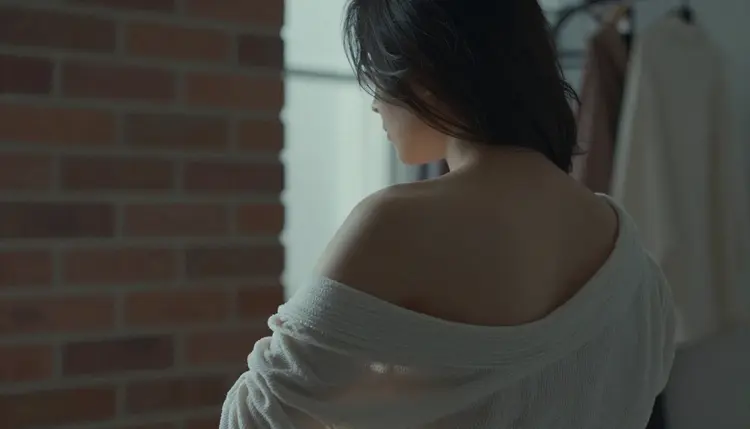
A reference sheet is only useful if the lighting and wardrobe stay legible from one shot to the next, and that starts with naming both directly instead of leaving them to guesswork.
Lighting decides more of the mood than almost anything else in the prompt. Soft window light reads as a quiet, private moment, a single lamp reads as intimate and close, and naming the light source directly gives Seedream 4.5 something specific to repeat across the whole set instead of a new lighting guess every time.
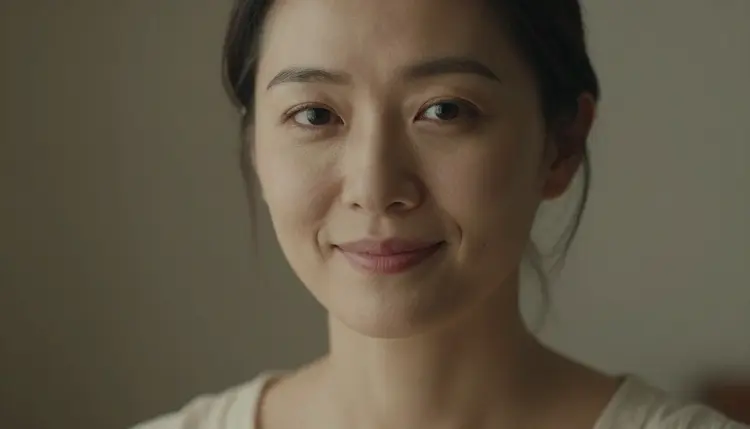
Wardrobe reads best piece by piece rather than summarized in one word. A robe alone renders differently every time, while naming the sash, the fabric, how it falls open and how much is tied closed gives the model something exact to hold onto, which matters when an artist needs the same wardrobe from four different angles.
Pose should be described in the same terms an artist already uses, a three quarter turn, an over the shoulder glance, a reclining angle on a rug, rather than a vague mood word. The more the prompt sounds like a photographer's shot list, the closer the result lands to something an artist can actually work from.
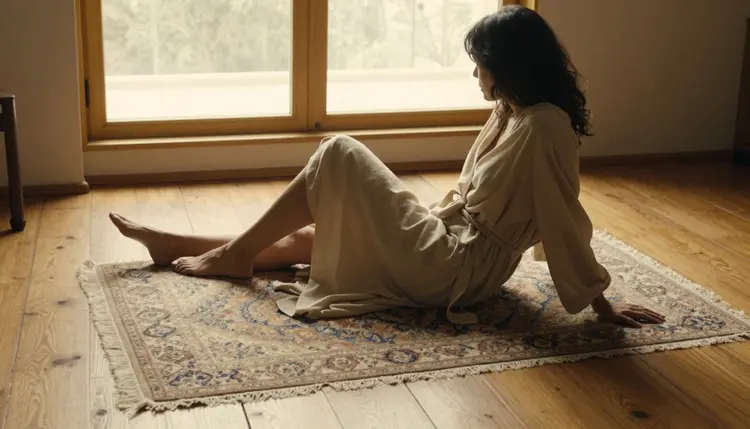
This is 18+ content, and every reference sheet built through it has to stay that way. Every figure generated here is a fictional adult, invented for a commission, never a minor regardless of how young or old the character is written, and never the likeness of a real, identifiable person without that person's clear consent. A generated reference is not a stand in for a real photo of anyone, it is art of a character who exists only in the description that made them.
Generations stay private by default. A reference set is tied to the account that made it, not posted or shared anywhere on the site, so a commissioner can build out a full sheet and send only the finished set to their artist, on their own terms.
Picasso IA runs on a shared credit system across its whole catalog, including the six confirmed models used for adult content. New accounts start with free credits, enough to test Seedream 4.5 across a few angles of the same character before committing to a full reference sheet. Image and video models draw credits at different rates, and current numbers live on pricing rather than being repeated here.
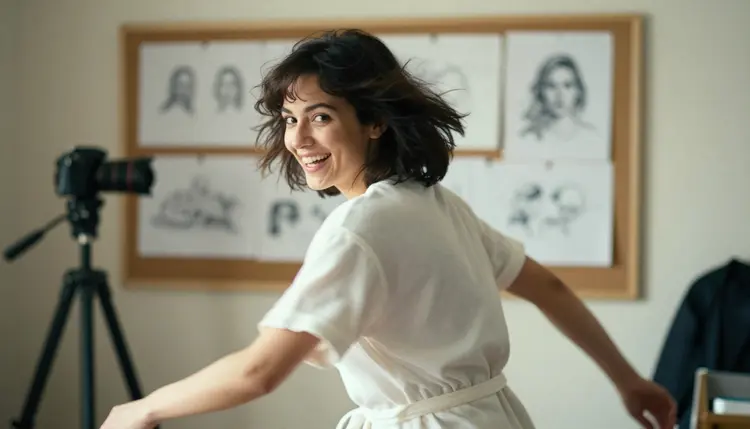
There is no separate paywall for reference art specifically. The six confirmed models sit in the same catalog and cost structure as the hundreds of other models on the site, a full sheet of ten or twelve consistent shots costs the same per generation as any other Seedream 4.5 image.
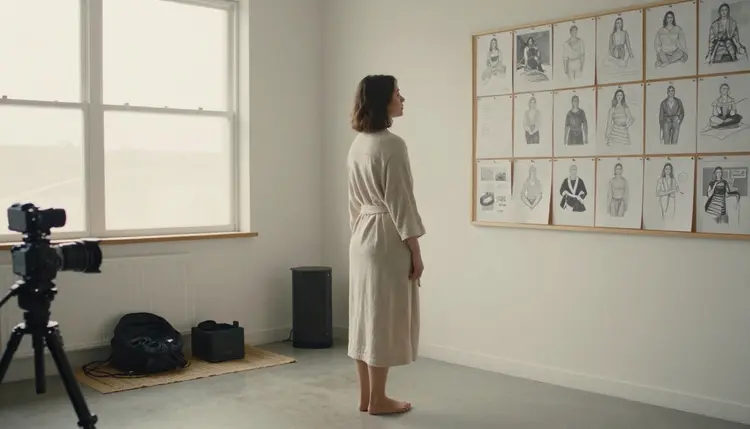
Can I generate a private reference set for a commissioned artist?
Yes, as long as every figure in it is a fictional adult, this is 18+ content, and nothing in the set is the likeness of a real person used without consent. Seedream 4.5 is the confirmed model built to hold a described character steady across the several shots a real reference sheet needs.
Which model keeps the most consistent look across multiple reference shots?
Seedream 4.5. Its photoreal output holds a described build, skin tone and wardrobe steady from one generation to the next, which is what separates a usable reference sheet from a set of unrelated images that happen to share a robe.
Can I use an existing sketch or photo to steer a reference shot?
Picasso Image Editor Pro, one of the six confirmed models, edits an existing image directly, so an early sketch or a first generation of the character can guide a later shot instead of starting the description over from nothing.
Do I need to rewrite the character's description for every shot?
The build details, hair, skin tone, body type and defining features, need to stay word for word the same across every shot in a set. Only the pose, angle and wardrobe details for that specific shot should change between generations.
Can I generate a front view, a back view and a close up in one session?
Yes. Run the same character description three times, changing only the pose line each time, front facing, turned away, close on the face, and the three results read as one photoreal reference sheet rather than three separate characters.
Is it safe to send these references directly to my commissioned artist?
Yes. Nothing in a generated reference set carries a real photo's copyright or a real person's likeness, so handing the finished set to an artist raises none of the ownership questions a borrowed photo would.
Can a reference set include a short clip instead of only still images?
Yes. Picasso Video and LTX 2.3 Pro are the two confirmed models for adult motion, and an artist who works from animated reference can receive a short clip built from the same character description used for the stills.
What happens if I try a model that isn't one of the six confirmed?
It applies its own safety filter and rejects the prompt. Picasso IA shows a message explaining the content is not supported by that model and offers to switch to one of the six confirmed models with the same prompt carried over.
Is my reference set private, or can other people using the site see it?
It stays tied to the account that made it and is private by default, not posted or shared anywhere on the site, so a full sheet of test shots is never visible to anyone but the account owner unless they choose to send it on.
Can I try this before paying for a subscription?
Yes. New accounts start with free credits that work across the catalog, including Seedream 4.5, so a first pass at a character's reference sheet can be tested before deciding whether to subscribe. Current plans are listed on pricing.