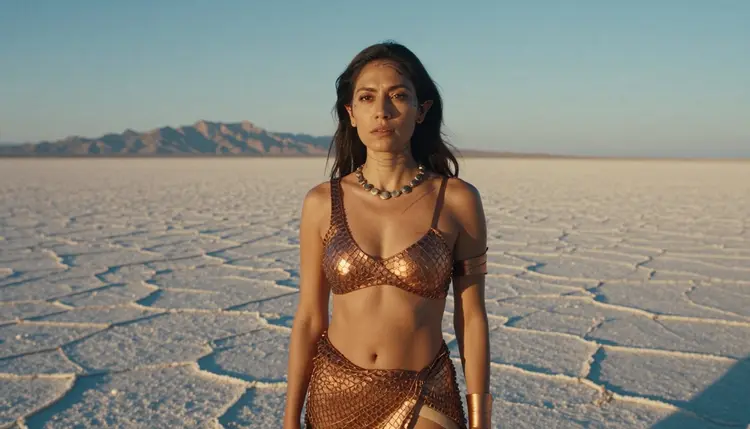
An alien planet backdrop, a wrap of hammered metal instead of fabric, a character built for a world that never had a camera crew until now. That is the appeal of alien fantasy art, and it is also exactly the kind of scene that most AI image tools either reject outright once the prompt turns intimate, or flatten into a generic sci-fi pinup that could be any character on any planet.
Picasso IA runs a catalog of hundreds of models, and only six of them are confirmed to generate an adult scene directly instead of blocking it. For this kind of alien world, the one that matters most is Qwen Image 2, a photoreal model flexible enough to hold a desert sunrise, a volcanic dusk and a flat studio light in the same character without the skin, the metal or the terrain losing their texture.
This page covers the five steps to build your own alien fantasy scene, the confirmed models behind it, and the rules that keep the whole thing fictional and adult, so nothing here relies on a real person, a real place standing in for another planet, or a character younger than the adult the scene already treats them as.
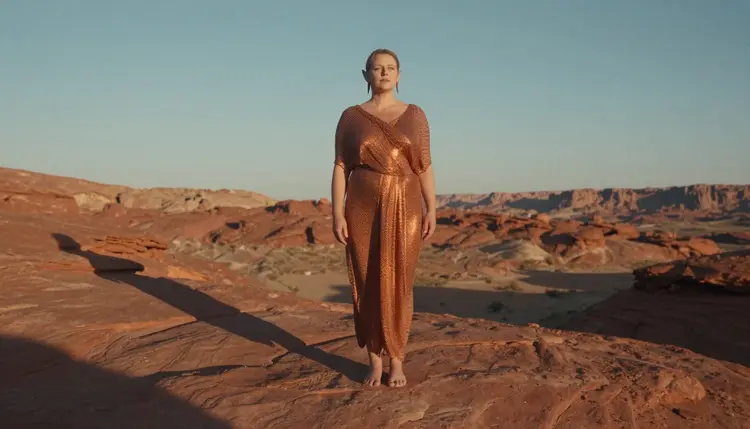
An alien fantasy scene is really three separate problems stacked into one prompt, a costume that reads as otherworldly rather than a beach cover-up, a landscape that reads as another planet rather than a stock desert photo, and a light that sells the mood, sunrise, dusk or a flat studio glow. Most models handle one of the three well and lose the other two, a costume renders fine but the terrain turns generic, or the terrain is striking but the skin and metal flatten into plastic.
Qwen Image 2 is confirmed to hold all three at once. A hammered copper earring against a jaw line, a wrap dress that reads as metal rather than cloth, a red rock plateau that reads as an unfamiliar world instead of a hiking trail, all three survive the same generation instead of one detail winning at the expense of the others.
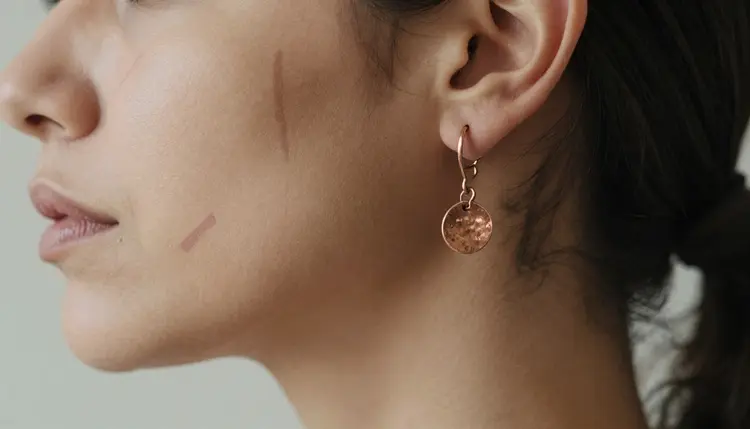
Turning an alien character idea into a finished scene comes down to five repeatable steps, the same five whether the setting is a desert, a studio or a volcanic dusk.
- Pick Qwen Image 2. Open the toolkit and select Qwen Image 2, the confirmed uncensored model built for photoreal scenes with this kind of flexibility across costume, light and terrain.
- Describe the Costume and Metal Tone. Name the wrap style, the metal it reads as (copper, bronze or silver) and how much skin shows at the shoulder or back, since a vague "alien costume" renders as a plain dress instead.
- Set the Alien Terrain and Light. Choose a landscape, red rock plateau, volcanic stone or a salt flat, and a light, sunrise, dusk or flat studio, since the terrain and the light together are what sell the otherworldly setting.
- Choose the Camera Angle. Decide whether the shot faces the character, catches them from behind, or renders them as a silhouette against the sky, since each angle changes how intimate or how distant the scene reads.
- Generate and Refine with the Editor. Run the prompt, then send the result to Picasso Image Editor Pro if one detail, a strap, a jaw line or a fold of fabric, needs a fix instead of a fresh prompt.
A character built this way holds up whether it stands alone on a plateau or the scene moves into a plain studio for a costume test, because the description driving it never changes, only the setting around it does.
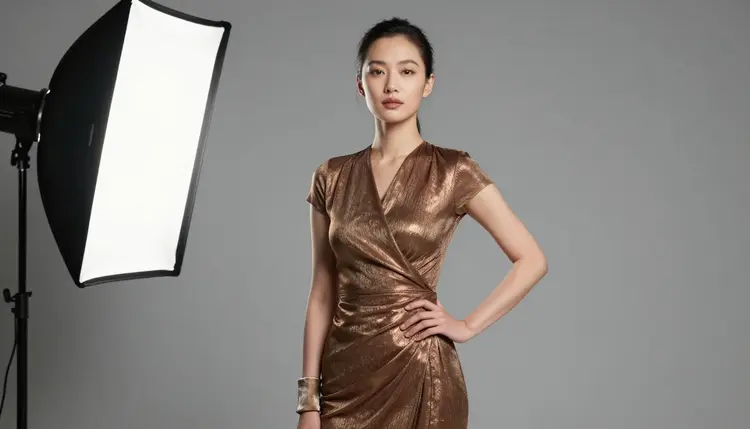
Not every model in Picasso IA's catalog generates adult content, and treating an unconfirmed one as filter free wastes a prompt and a generation. Six models across the whole catalog are confirmed to render NSFW scenes directly, without a safety filter stepping in, and for alien fantasy art specifically, three of them matter most.
Qwen Image 2 is the primary pick for alien fantasy art specifically, since it is the one confirmed to hold a desert sunrise, a volcanic dusk and a flat studio light in the same character without flattening the metal or the skin. Seedream 4.5 is worth a try for a scene closer to a straightforward portrait than a full landscape, and Recraft V4.1 Pro is the one to reach for if the look should read as painted concept art rather than a photograph.
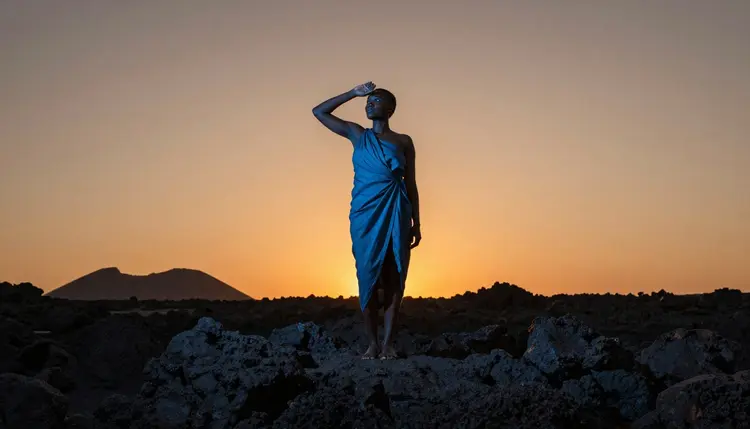
A silhouette against a volcanic dusk sky is one of the scenes where Qwen Image 2's flexibility matters most, the model has to render almost no visible detail and still make the wrap, the terrain and the failing light all read correctly from shape alone.
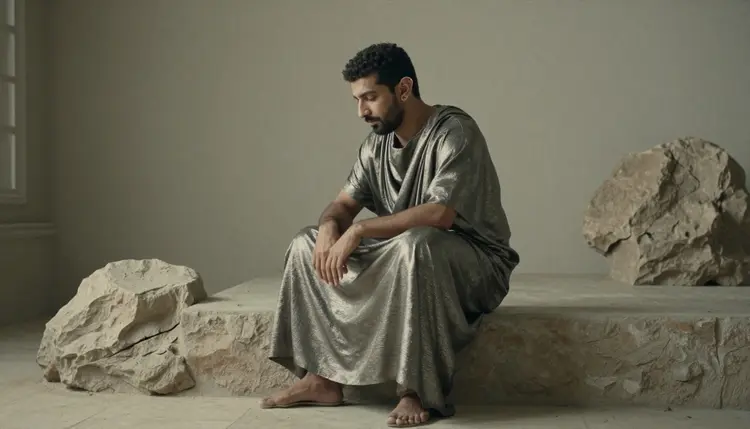
The same catalog covers a male character just as directly. A silver draped robe on a stone ledge asks Qwen Image 2 for a quieter, more contemplative mood than a costume study, and the model holds that tone without needing a different prompt structure than the desert or studio scenes above.
The fastest way to lose the alien read in a prompt is to describe the character before the world. Name the terrain and the light first, red rock plateau at sunrise, volcanic stone at dusk, a flat grey studio, then bring the character into that already established world.
Costume material reads best when named as metal rather than fabric. "Copper wrap dress" and "bronze woven vest" render differently from "metallic dress," since Qwen Image 2 treats copper, bronze and silver as three distinct finishes with their own highlight and shadow behavior across skin and terrain alike.
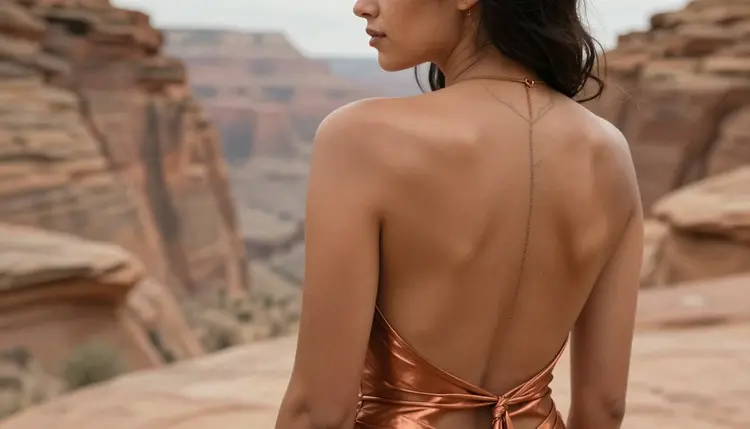
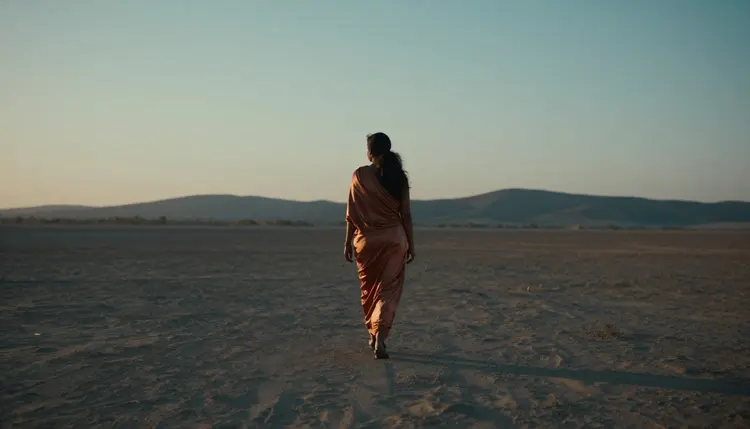
Camera angle changes the read of a scene as much as the costume does. A shot from behind above a canyon reads as scale and distance, a silhouette reads as mystery, and a straight-on studio shot reads as a costume study rather than a scene, three different moods from the same wrap dress.
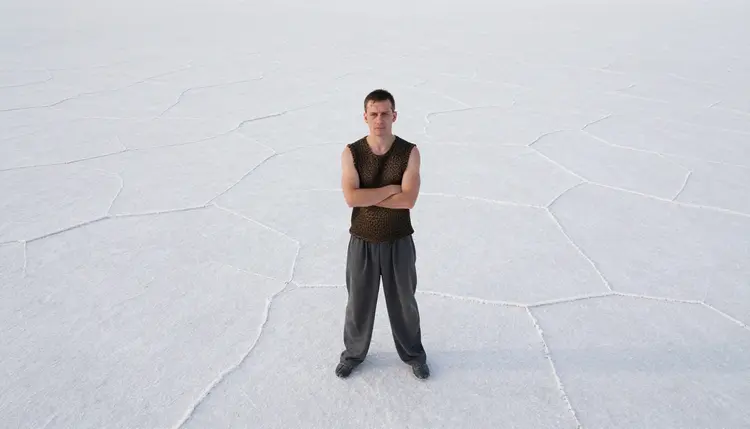
A salt flat is one of the more reliable alien-planet stand-ins, since its flat, near-featureless horizon reads as another world more consistently than a rock formation does, and naming the salt flat directly, rather than "white ground," keeps that reading stable across generations.
This is 18+ content, and everything generated through it has to stay that way. Every character here, human or reading as otherworldly through costume and setting alone, is a fictional adult, never a minor regardless of the fantasy framing, and never the likeness of a real, identifiable person without that person's consent. Alien fantasy art on Picasso IA means a costume and a landscape doing the work, not a real place or a real face standing in for another planet or another person.
Generations stay private by default. What gets made is tied to the account that made it, not posted or shared anywhere on the site, so testing different costumes, terrains or lighting for the same character is not something other visitors ever see.
Picasso IA runs on a shared credit system across its whole catalog, including the six confirmed models used for adult content. New accounts start with free credits, enough to test Qwen Image 2 across a desert, a studio and a dusk silhouette before settling on one look. Image and video models draw credits at different rates, and for some models the resolution selected changes the cost, so current numbers and what each plan includes live on pricing rather than being repeated here.
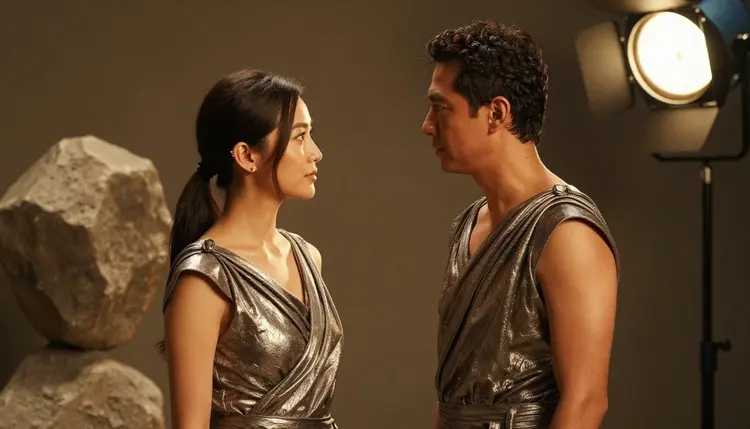
There is no separate paywall for adult content specifically. The six confirmed models sit in the same catalog and cost structure as the hundreds of other models on the site, they simply do not reject an adult prompt the way an unconfirmed one does.
Can I generate NSFW alien fantasy art of a character I imagine?
Yes, as long as the character is a fictional adult, this is 18+ content, and not the likeness of a real person. Qwen Image 2 is the confirmed model built for holding costume, terrain and light together in one photoreal scene, and the five steps above cover how to describe a character so the result matches what you pictured.
Why is Qwen Image 2 the pick for this instead of another confirmed model?
Qwen Image 2 is the one confirmed model flexible enough to render a desert sunrise, a volcanic dusk and a flat studio light in the same character without the metal, skin or terrain flattening out, which matters more for alien fantasy art than for a single portrait style.
Do I need real reference photos of a desert or a salt flat?
No. Naming the terrain directly, red rock plateau, volcanic stone, salt flat, is enough for Qwen Image 2 to render it, and no real place needs to be photographed or uploaded to stand in for another planet.
Can the same costume work for a male and a female character?
Yes. A copper or bronze wrap reads consistently across both, a draped silver robe and a woven vest are shown above on a male character, and the same material naming approach, copper, bronze or silver, applies regardless of who is wearing it.
What if I want a painted or illustrated look instead of a photograph?
Recraft V4.1 Pro, one of the six confirmed models, leans illustrated rather than photoreal, and is worth trying if the alien fantasy scene should read as concept art rather than a photo.
Can I turn a finished alien fantasy image into a short video?
Yes. Picasso Video and LTX 2.3 Pro are the two confirmed models for adult motion, and both work from the same kind of costume and terrain description used to build a still image.
What happens if I try a model that is not one of the six confirmed?
It applies its own safety filter and rejects the prompt. Picasso IA shows a message explaining the content is not supported by that model and offers to switch to one of the six confirmed models, carrying the same prompt over.
Is a silhouette scene harder to generate than a full studio shot?
Not with Qwen Image 2, since the model is confirmed to hold shape, terrain and failing light together even when almost no surface detail is visible, which is exactly what a dusk silhouette needs.
Is my alien fantasy art private, or can other people using the site see it?
Generations stay tied to the account that made them and are private by default, not posted or shared anywhere on the site, so testing different terrains or costumes for the same character is not visible to other visitors. This stays true regardless of how the character is framed, fictional adult, 18+ content, always.
Can I try this before paying for a subscription?
Yes. New accounts start with free credits that work across the catalog, including the six confirmed models, so Qwen Image 2 can be tested on a full scene before deciding whether to subscribe. Current plans are listed on pricing.