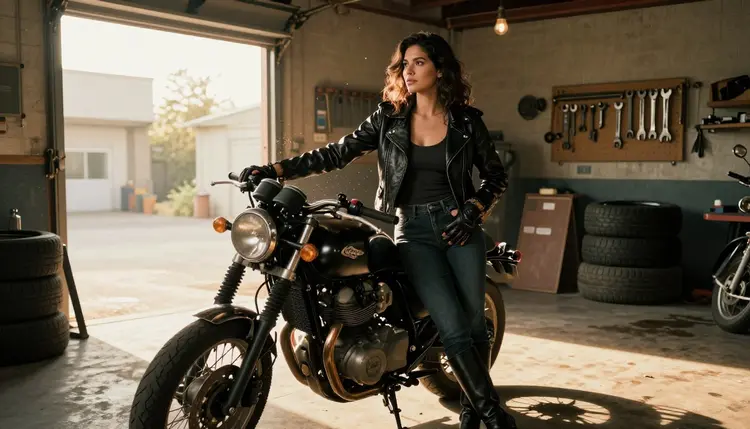
Leather and chrome have their own kind of intimacy: a jacket that fits like a second skin, the low light of a garage, a glance thrown back over a shoulder before pulling onto the road. Most AI image models flag that mood before it ever gets rendered, reading a fitted leather jacket or a close crop on skin and denim as adult content the moment the prompt gets specific. Seedream 4.5 does not have that problem. It is one of six models on Picasso IA confirmed to run with no content filter, and among those six it is the one built for a photographic, hyper-realistic look, exactly what biker leather art needs to feel like a photograph and not a costume render.
This page covers why Seedream 4.5 fits the biker and leather aesthetic, nine looks worth trying from garage portraits to open-road shots, the five steps from a blank prompt to a keeper, and the rules that apply to every image it makes. Every character on this page is a fictional adult, eighteen and over.
Most of the models in the Picasso IA catalog apply a content filter, and that filter reacts to a fitted leather jacket, a close crop on denim and skin, or two characters standing close together beside a motorcycle about the same way it reacts to anything else it reads as adult. It does not judge the scene, it pattern-matches the wording, so a biker portrait prompt can get refused for the same reasons a far more explicit one would. When that happens, the app shows a "Content Not Supported by This Model" message and carries the prompt over to a model that will actually run it, so nothing typed gets lost. Seedream 4.5 is one of the alternatives, and it is confirmed filter free: a biker or garage prompt runs the same way any other prompt does, no rewording, no softening a phrase to sneak it past a filter that simply is not there.
It shares that status with five other models, but the biker and leather look specifically is where Seedream 4.5 pulls ahead. Qwen Image 2 is the open-source pick when a prompt stacks several separate things at once, a motorcycle, a garage, two characters, a specific time of day. Recraft V4.1 Pro is for illustration and stylized art, a comic-book or painted biker panel rather than a photograph. Picasso Image Editor Pro edits a biker shot you already have instead of generating one from scratch, useful for fixing a hand on a handlebar or swapping a background after the fact. Picasso Video and LTX 2.3 Pro handle video, for animating a still into a short clip or generating motion directly, a bike pulling away from a curb, a jacket catching the wind. Seedream 4.5 is the one to reach for when the brief is a photograph: worn leather grain, chrome catching low light, asphalt and shadow, textures that hold up under a close look. See the full catalog for everything else the app offers.
Biker leather art is not one pose repeated with a different jacket, it is a whole catalog of settings, angles and light, and Seedream 4.5 covers most of it convincingly from a single prompt. A few looks worth trying:
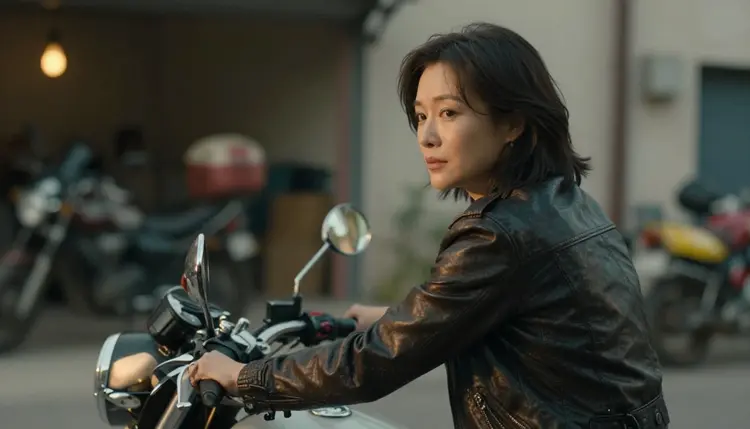
A glance back over the shoulder from the saddle, one hand still on the throttle, reads as candid rather than posed, and it gives the model a clear, specific moment to render instead of a generic sitting-on-a-bike shot. Naming the glance and the hand position gives Seedream something concrete to work from.
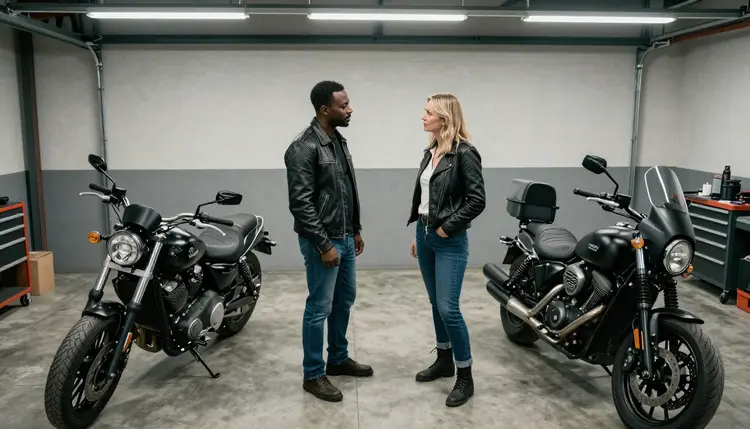
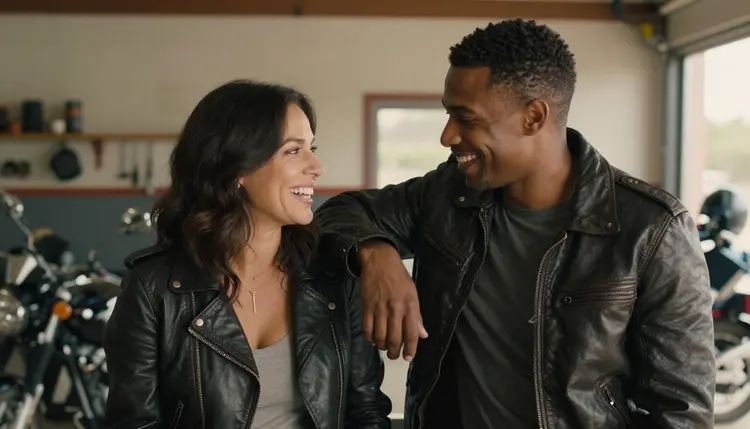
Two riders talking beside their bikes in a garage adds a second figure without losing either character's detail, jacket texture, stance, the space between them. It is a strong test of how well the model holds a scene together when there is more than one subject to keep consistent.
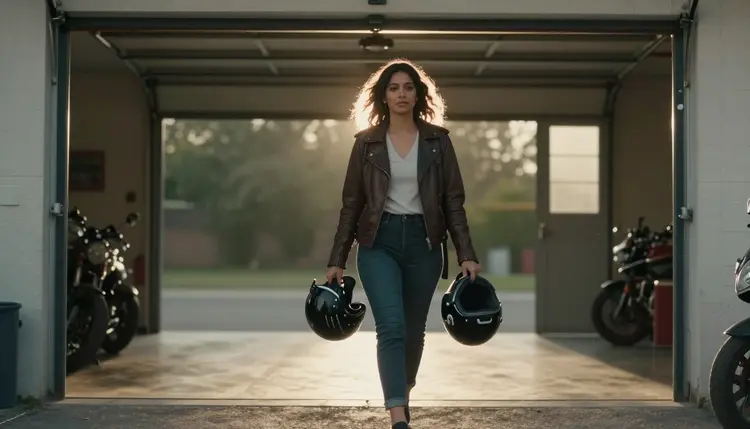
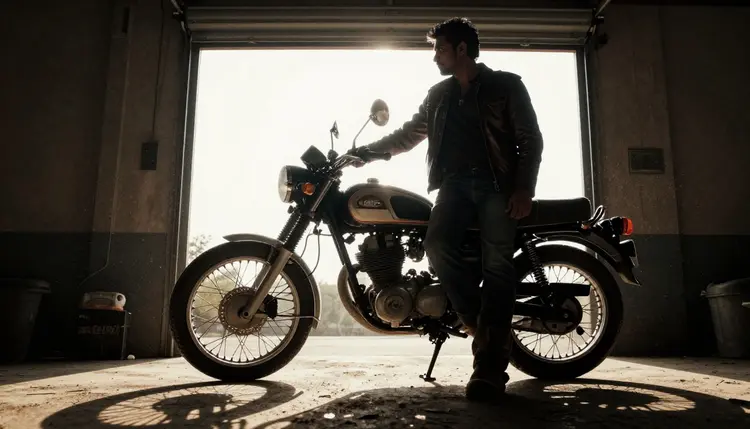
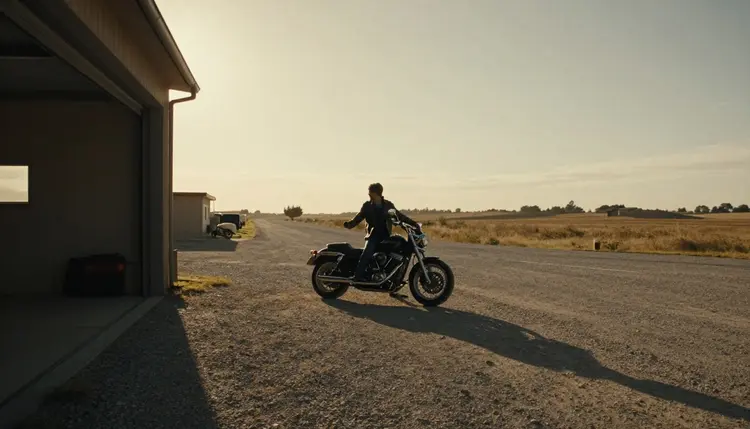
Walking out of a dim garage into daylight, helmet in hand, is a transition shot, and Seedream 4.5 handles the shift from shadow to sunlight well, the kind of lighting change that trips up a lot of image models but sells a real moment when it lands.
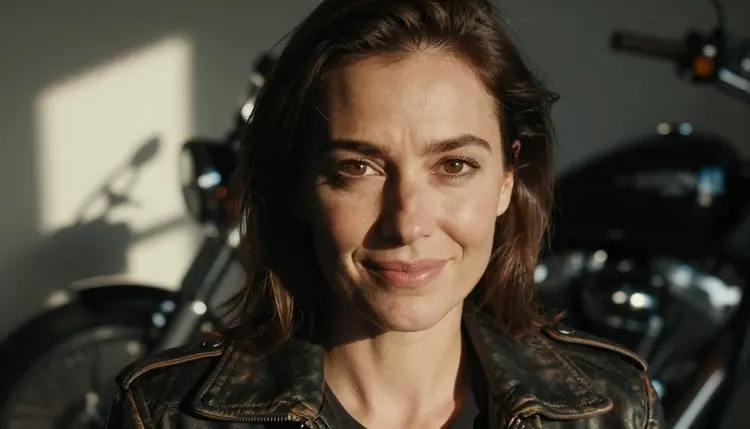
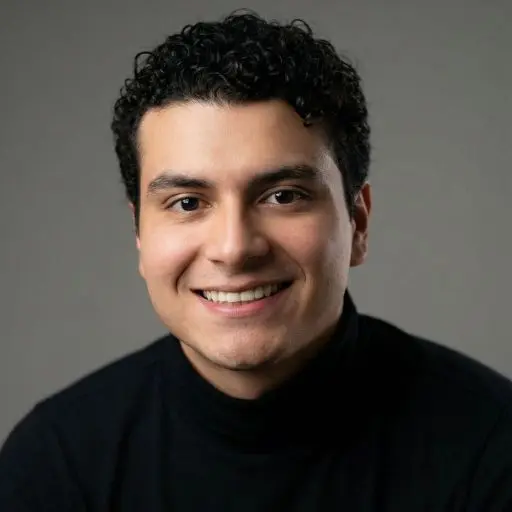
A close portrait strips everything back to the jacket collar, the smile, the light on the face, and it is where Seedream's photographic strength shows most directly: skin texture, the sheen of leather at the shoulder, a natural expression rather than a stiff one.
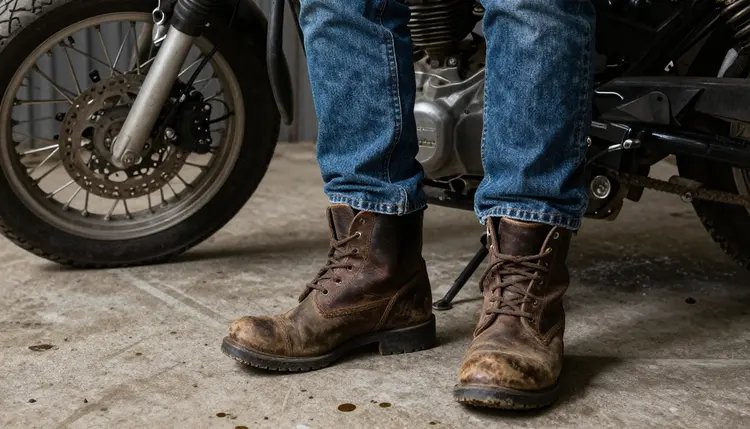
A detail shot, worn boots and denim beside the front wheel, works as a scene on its own or as a second angle in a set, and it leans on the same thing every strong biker image does: naming the wear and the material, scuffed leather, faded denim, rather than leaving the texture to guesswork.
The path from a blank prompt box to a biker portrait worth keeping is short, and it is the same loop whether this is a first generation or a fiftieth.
- Write the scene in plain, concrete words. Name the subject as a fictional adult character, then the jacket, the setting, and the light: a fictional man in a worn leather jacket, standing beside a motorcycle in a garage doorway, low afternoon backlight. Concrete nouns about leather, chrome and light do more work than adjectives about the body.
- Open the toolkit and select Seedream 4.5. The model is listed among the text-to-image options; picking it before typing the prompt saves a wasted first generation on a model that will simply refuse it.
- Generate a batch and look at it as a set. A handful of variants from the same prompt shows how the model read it: a tight, consistent batch means the brief landed, a scattered one means a detail is missing, usually about the light or the setting.
- Change one thing and generate again. Keep whichever image is closest, then adjust a single variable, the jacket color, the light, or the pose, rather than rewriting the whole prompt. Three or four rounds like this is normal before something is worth keeping.
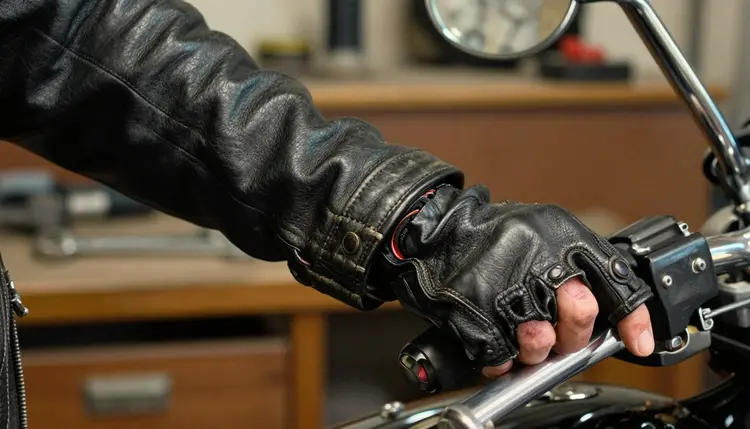
- Review the result closely before saving it. Zoom into hands, jacket zippers, boot stitching, and any text or lettering in frame; these are where an otherwise strong biker image tends to fall apart, on Seedream 4.5 as on any image model.
Biker and leather art is defined by material and light more than almost any other genre, so name the leather before the pose: a worn, matte jacket versus a glossy new one, low golden-hour light versus the flat fluorescent glow of a garage. Naming the finish and the light source does more for a convincing result than any adjective attached to the body.
Name the garment and the material, not just leather jacket on its own. A cropped biker jacket renders differently from a long duster coat, because the model has something concrete to reason about, how a specific cut sits on the shoulders, how a zipper catches light, how worn leather creases differently from new. The same goes for the setting: a cluttered home garage, an open two-lane road, a gas station at dusk, each carries its own texture and light logic, and naming one anchors the whole image.
Describe the pose the way a photographer would direct it, glancing back from the saddle, leaning against the tank, walking out of a garage doorway, rather than reaching for vague intensifiers. A specific, composed pose reads as a real photograph, a vague one tends to produce something generic.
Keep every character fictional and describe them as such in your own head even when the word fictional is not typed into every prompt: invented names, invented features, nothing built to resemble someone real. Ask for one scene, not a sequence, since a prompt that tries to describe three moments at once tends to blur all three together. And treat the first batch as a draft, not a final answer: the fastest way to a keeper is comparing a small set side by side and changing one variable at a time, not writing a longer and longer single prompt chasing perfection on the first try.
This is stated plainly because it matters more than any prompting tip: everything generated here is for adults, eighteen and over, and every subject must be a fictional adult character. No real person's likeness runs on this platform without that person's own consent, and no public figure or celebrity is permitted at all. No minor, and no character made to look like one, in any style, biker scenes included. Prompts that cross these lines are refused, and attempting them violates the platform's terms.
Seedream 4.5 having no content filter does not change any of this. Removing the filter that blocks adult content in general is not the same as removing the rules about whose likeness can be generated or how old a character must read as; those rules hold regardless of which model is running the prompt.
Generations stay private by default: what you create is tied to your account, not posted anywhere or shown to other users, unless you choose to share it yourself. The tool also does not take judgment off your hands once an image exists. What gets shared, and where, is governed by local law and by the rules of whatever platform it lands on. Legal to generate is not the same as allowed to publish.
Generations on Picasso IA are paid for with credits, spent per image rather than through a separate subscription tier for each model. A new account starts with free credits, enough room to run the loop above, several batches and a few rounds of iteration, before deciding whether to buy more. Image generations sit toward the cheap end of what the app offers, well below the cost of a video generation.
Exact credit amounts and plan pricing change as the catalog evolves, so current numbers live on the pricing page rather than printed here where they would go stale. What stays true regardless of the number: iterating on a biker portrait, comparing a small batch and adjusting one variable at a time, is the efficient way to spend credits, on Seedream 4.5 or any other model in the catalog.
Does Seedream 4.5 really generate NSFW biker leather art with no filter?
Yes. Seedream 4.5 is one of six models on Picasso IA confirmed to run with no content filter, alongside Qwen Image 2, Recraft V4.1 Pro, Picasso Image Editor Pro, Picasso Video, and LTX 2.3 Pro. A biker or garage prompt runs on it the same way any other prompt does, with no need to reword or disguise anything to get past a filter that simply is not there.
Why is Seedream 4.5 specifically good for biker leather art rather than general NSFW images?
Biker leather art depends on realistic material and light more than most adult image genres, and that photographic, hyper-realistic look is exactly what Seedream 4.5 is built for. Worn leather grain, chrome catching low light, and the way denim and skin sit together read convincingly because the model treats them as real materials rather than generic shapes.
What settings work best for a biker or leather scene?
A cluttered home garage, an open two-lane road at golden hour, a gas station at dusk, or a garage doorway with strong backlight all work well, since each gives the model a concrete space with its own light and material logic. Naming the setting and its light source together, rather than either alone, tends to produce the strongest result.
Is Seedream 4.5 free to use on Picasso IA?
New accounts start with free credits, which cover several generations before anything needs to be purchased. Beyond that, generations are paid for with credits rather than a flat subscription per model, and how far a given amount of credits goes depends on current pricing, which is kept up to date on the pricing page rather than stated here.
Can I generate a real person or a celebrity in a biker leather image with Seedream 4.5?
No. Every subject on this page must be a fictional adult character, eighteen and over. A real person's likeness, including a celebrity or any other public figure, is not permitted without that person's own consent, and prompts that attempt it are refused and violate the platform's terms regardless of which model is running.
What if I want an illustrated or comic-style biker look instead of a photo?
Seedream 4.5 leans toward realism even when a prompt asks for a drawn look, so it is not the right tool for that brief. Recraft V4.1 Pro is built for illustration and stylized art, and it is also filter free, which makes it the better pick when the goal is a painted or comic-style biker panel rather than a photographic one.
Why do hands or jacket zippers sometimes look wrong in my biker image?
Hands, zippers, and buckles are difficult for every image model, filtered or not, and Seedream 4.5 is no exception. The fix is usually a simpler pose, fewer hands visible in frame, or a closer look at the batch before picking a winner; checking hands and hardware before saving is worth doing on every generation, not only when something looks obviously off.
How many images should I generate before I have a keeper?
There is no fixed number, but three or four rounds of generating a small batch, picking the closest result, and changing one variable is a normal distance to something worth keeping. Trying to get a perfect result on the first prompt usually takes longer than iterating, because a single very long prompt is harder for the model to satisfy than a short one refined over a few rounds.
Can I edit a Seedream 4.5 biker photo after generating it?
Yes. Once an image is close but not quite right, Picasso Image Editor Pro can adjust it directly, fixing a hand, swapping a background, or changing one detail with a plain instruction instead of a fresh generation from scratch. It is also filter free, so a biker image can be edited the same way it was generated.
Can a Seedream 4.5 biker photo become a video?
Yes, through a separate step. Picasso Video takes a still image and animates it into a short clip built from that frame, and LTX 2.3 Pro generates cinematic video directly from a prompt; both run with no content filter. The efficient order is to settle on a still image first, since a round of image generation costs less than a round of video, and only animate the frame already decided as a keeper.