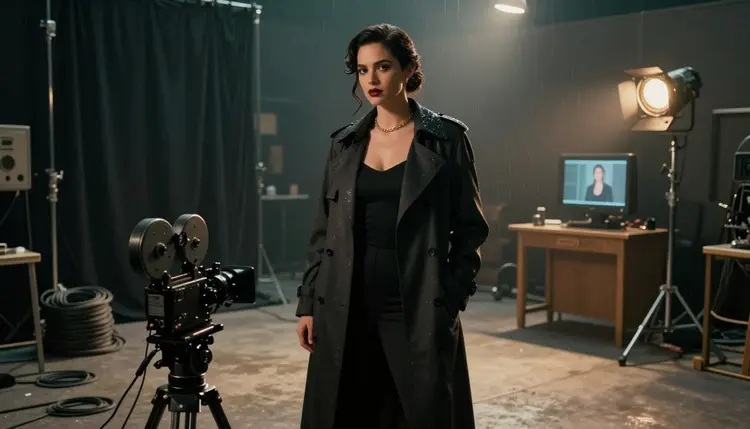
A character concept usually starts as a description, a costume, a face, a build, and stays that way, a single still, until someone tries to make it move. Turning a fictional adult character into a short NSFW video used to mean a blocked prompt on one model or a generic clip on another that kept none of the details that made the character yours in the first place.
Picasso IA runs two of exactly six models across its whole catalog confirmed to generate adult content directly instead of refusing it, and both happen to be built for motion. LTX 2.3 Pro builds a clip from a written scene alone, no image required, while Picasso Video takes a still you already have and adds motion to it without redrawing the character. Which one to reach for depends on whether a usable image of the character already exists.
This page walks through both confirmed video models, a five step process for turning a concept into a finished clip, and the rules that keep every character in it a fictional adult, so nothing here depends on a real photo, a real person or a costume that reads as anything other than adult.
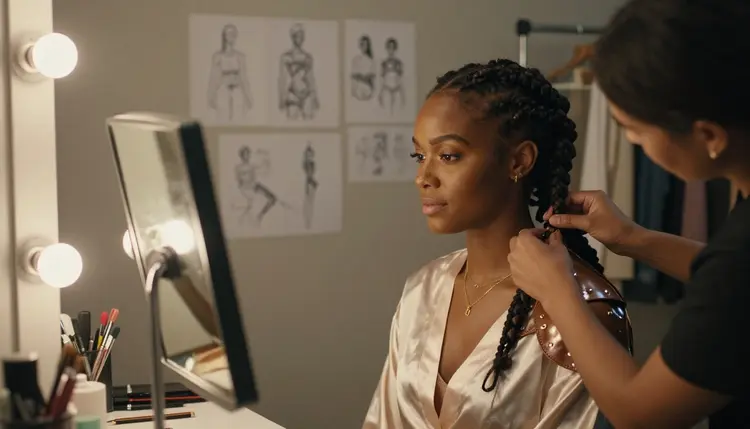
A still image and a video ask for different things from a character concept. A still only has to look right in one frame, but a clip has to hold that same look through several seconds of motion, so any detail left vague in the original description, a hairstyle, a costume seam, the exact shade of a cape, tends to drift the moment the character starts moving. Locking those details before animating anything is the difference between a clip that reads as one continuous character and one that reads like three different takes stitched together.
That holds whether the concept starts as a sentence or as an image already sitting in a project folder. A written concept run straight through LTX 2.3 Pro skips the still entirely, the model builds the framing, the costume and the motion together from the prompt alone, while a concept that already has a locked reference image benefits more from Picasso Video, which keeps that exact face, costume and pose and only adds the movement described on top of it.
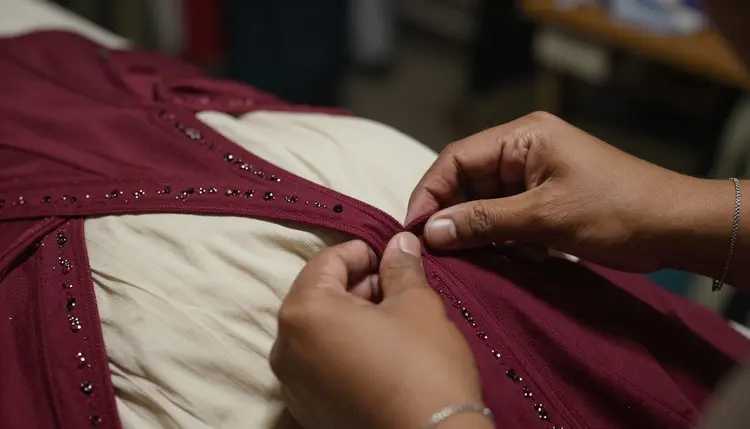
A costume built from several small parts, laces, buckles, layered fabric, is exactly the kind of detail worth locking into a reference still before it has to survive being animated. A video model asked to invent all of that from scratch on every single frame is far more likely to lose a strap or merge two layers of fabric than one that only has to keep an existing, already correct image moving.
Turning a character concept into a finished clip comes down to five repeatable steps, the same five whether the character started as a costume sketch, a written description or an image already sitting in a project folder.
- Lock the Character's Look First. Generate a clean reference still on a confirmed image model such as Seedream 4.5, so the hair, costume and build stay identical across every clip generated afterward.
- Write the Concept as a Full Scene. Describe who the character is, what they are wearing, where they stand and what light source is doing the work, the same scene either video model needs to understand the shot.
- Choose the Right Starting Point. Run LTX 2.3 Pro directly on the written scene if no still exists yet, or send an existing reference image to Picasso Video once the look is already locked.
- Describe Only the Motion for an Existing Still. Skip re-describing the costume or the face in Picasso Video's prompt, and write only what should move, a turn of the head, a step forward, fabric catching a breeze.
- Review the Clip and Refine. Watch the render back, and send it to Picasso Image Editor Pro, or regenerate the reference still, if a hand, a hem or a prop drifted out of place along the way.
A concept tested this way on something simple first, one character, one static shot, one clear motion, tends to hold up far better once the same process gets pointed at a more complicated scene later on.
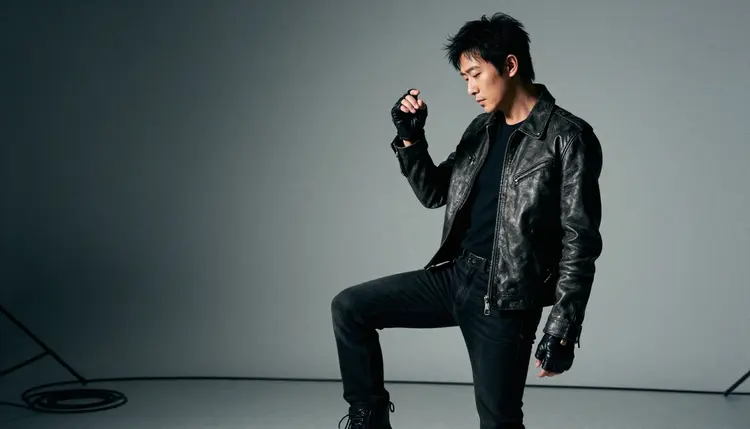
Not every model in Picasso IA's catalog of hundreds generates adult content, and treating an unconfirmed one as filter free wastes a prompt and a generation. Exactly six models across the whole catalog are confirmed to render NSFW scenes directly, without a safety filter stepping in, and for a character concept built specifically for motion, two of them matter most.
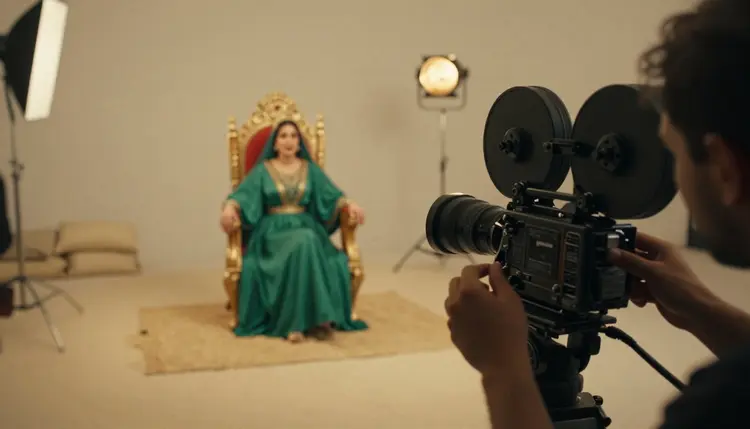
LTX 2.3 Pro generates a clip directly from a written prompt, nothing else required, which makes it the pick for a concept that exists only as a description so far. Picasso Video does the opposite job, it takes a still that already exists, one built on Seedream 4.5, Qwen Image 2 or Recraft V4.1 Pro, and animates it into a short clip that follows the motion described in the prompt. Neither model is simply the better one, a concept with no image yet favors LTX 2.3 Pro's ability to build the whole scene from nothing, and a reference still that already looks right favors Picasso Video's ability to keep it exactly as it is and only add movement.
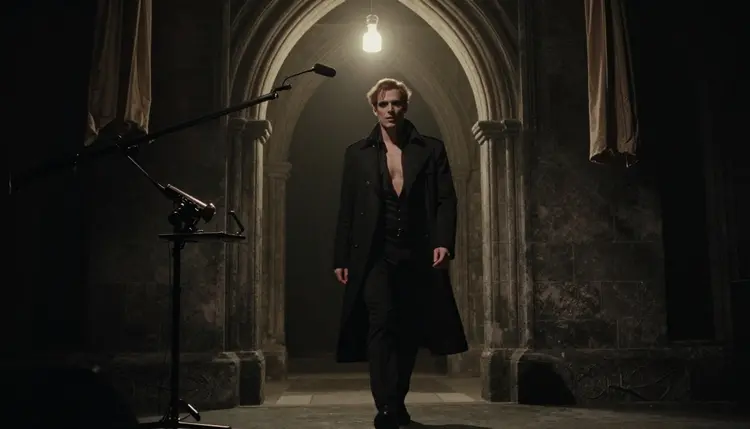
Every other model across the catalog, however capable it is at everything else, is not confirmed to behave the same way with an adult prompt and should be treated as filtered until proven otherwise.
The fastest way to lose a character's identity in a video prompt is describing the setting before the character. The same rule that applies to a still image applies here too, only now the description also has to survive several seconds of motion instead of a single frame.
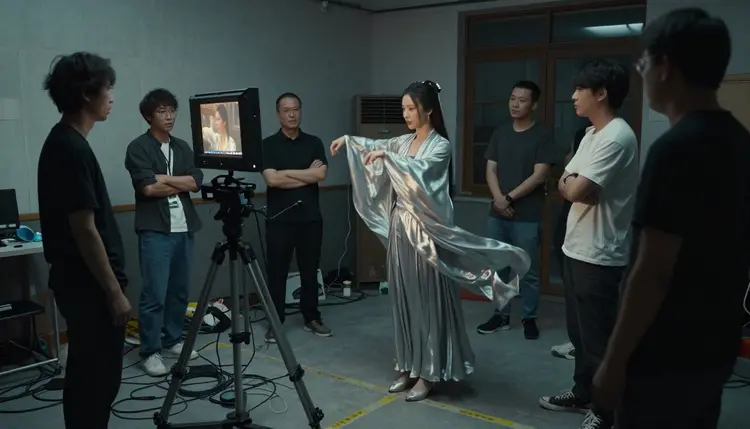
Costume physics deserve their own line in the prompt rather than being assumed. A cape, a full skirt, a loose coat, all of these move differently once a character starts walking or turning, and naming what the fabric should actually do, catch a breeze, sway with the step, settle after a spin, gives the video model something concrete to animate instead of guessing at it.
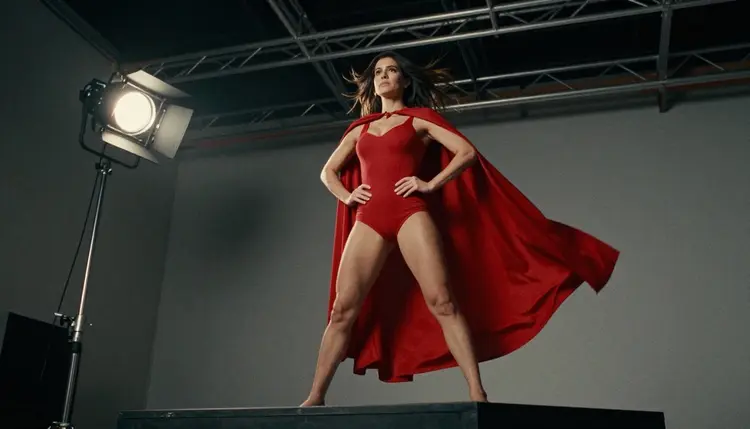
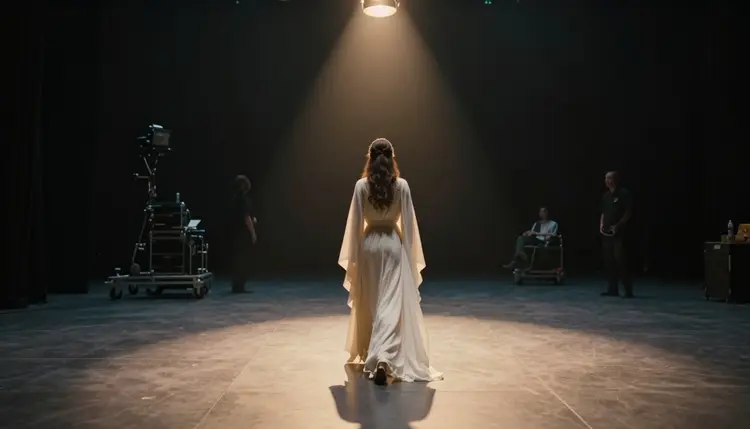
Camera motion changes the read of a clip as much as the character's own movement does. A slow push toward a held pose reads as a reveal, a static frame around a small gesture, a hand adjusting a collar, a head turning toward the light, reads as intimate, and a tracking shot following a character walking through a doorway or an archway reads as narrative, an entrance rather than a portrait. Naming the camera move directly in the prompt, rather than leaving it implied, is what keeps a clip from defaulting to a flat, static frame.
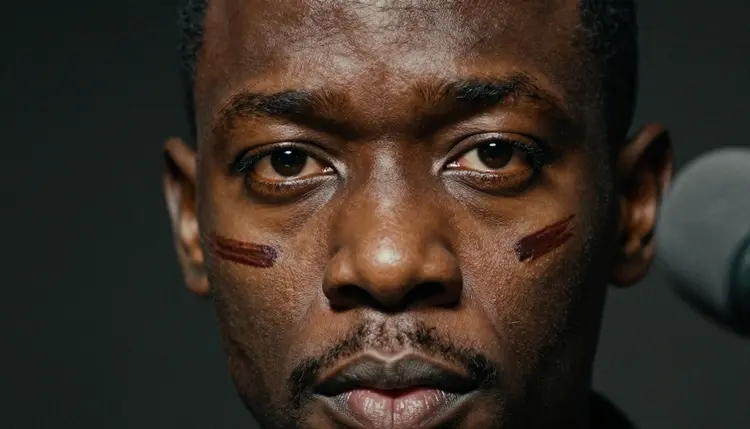
A small, specific feature, face paint, a scar, a particular hairstyle, is worth naming explicitly in every prompt tied to that character, since it is exactly the kind of detail a video model is most likely to soften or lose across several seconds of motion if the prompt only mentions it once and expects it to carry through the rest of the clip on its own.
This is 18+ content, and every clip made with it has to stay that way. Every character animated here is a fictional adult, invented for a concept, a story or a project, never a minor regardless of costume, face paint or setting, and never the likeness of a real, identifiable person without that person's consent. That is not a limit added on top of the two confirmed video models, it is the actual boundary of what character video on Picasso IA is for, motion applied to a fictional character, never a way to animate someone real without asking.
Generations stay private by default. A clip and the reference still behind it are tied to the account that made them, not posted or shared anywhere on the site, so testing a costume, a pose or a camera move on the same character is not something other visitors ever see.
Picasso IA runs on a shared credit system across its whole catalog, including the confirmed models used for adult content. New accounts start with free credits, enough to lock a reference still on Seedream 4.5 and run it through Picasso Video, or test the same concept directly on LTX 2.3 Pro, before deciding which path a given character actually suits best.
Video cost scales with resolution and length on both confirmed models, so a short, lower resolution clip used to test a costume or a camera move costs less than a long, high resolution final render, and checking a clip back before committing to a longer version is simply the cheaper way to work. Current numbers and what each plan includes live on pricing rather than being repeated here.
There is no separate paywall for adult content specifically. LTX 2.3 Pro and Picasso Video sit in the same catalog and cost structure as the hundreds of other models on the site, they simply do not reject a suggestive or intimate prompt the way an unconfirmed model does.
Can a character concept really become a finished NSFW video on Picasso IA?
Yes. LTX 2.3 Pro and Picasso Video are two of exactly six models on Picasso IA confirmed to generate adult content directly, and together they cover a concept that exists only as a written description and one that already has a locked reference image.
What is the real difference between LTX 2.3 Pro and Picasso Video?
LTX 2.3 Pro builds a clip directly from a text prompt with no image required, while Picasso Video takes a still that already exists and adds motion to it, keeping the face, costume and pose exactly as they were in that source image.
Do I need a reference image of my character before I start?
Not necessarily. A concept that only exists as a description can go straight through LTX 2.3 Pro, which generates the framing, the costume and the motion together from the written scene, and a reference image only becomes useful once the look needs to stay identical across several clips.
Which model keeps a costume and a face consistent across multiple clips?
Picasso Video, since it works from an existing reference still instead of regenerating the character from text each time, which is why locking that still first is the first of the five steps above.
How do I write a prompt that gets specific camera motion instead of a flat, static shot?
Name the camera move directly rather than leaving it implied, a slow push toward a pose, a static frame on a small gesture, or a tracking shot following the character through a doorway, since each of those reads differently once the clip is generated.
Can I fix one detail in a clip without regenerating the whole scene?
A prop, a strap or a hand that drifted out of place is usually easier to correct on the reference still with Picasso Image Editor Pro and then re-animate, rather than rewriting the whole video prompt from scratch.
Are there age or consent rules for the characters I animate?
Yes, without exception. This is 18+ content, and every character has to be a fictional adult, never a minor and never the likeness of a real, identifiable person without that person's consent, on either confirmed video model.
Is my character concept and the finished video kept private?
Yes. Generations are tied to the account that made them and are private by default, not posted or shared anywhere on the site, so a costume test, a pose or a camera angle tried on the same character stays unseen by other visitors.
What does a short character video cost in credits?
Cost scales with the resolution and length chosen on both confirmed models, so a short, lower resolution test clip costs less than a longer final render, and current numbers for each plan are kept on pricing rather than stated here.
Can I try this before paying for a subscription?
Yes. New accounts start with free credits that work across the whole catalog, including LTX 2.3 Pro and Picasso Video, enough to lock a reference still and test both a text driven clip and an animated one on the same character before subscribing.