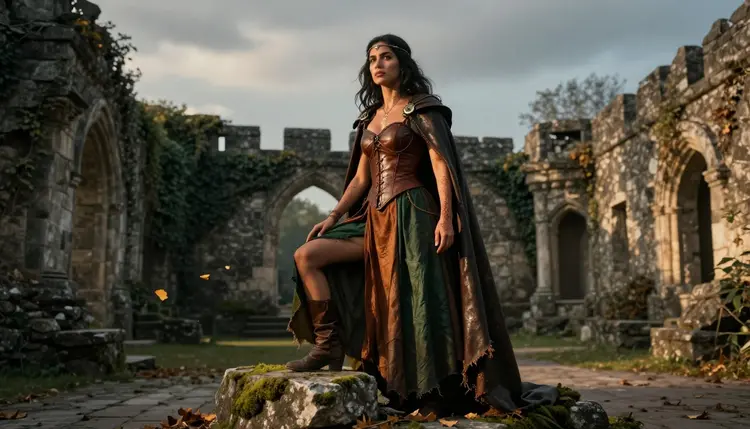
NSFW art does not come in one look. A noir photograph, a hand-painted fantasy scene, a comic-style cosplay portrait and a slow-motion video clip are four completely different jobs, and most adult AI tools hand over one model built for one of them, then apply a filter that blocks half of what a reader actually wanted to try. Picasso IA runs a catalog of 488 AI models, and six of them are confirmed to generate NSFW content with no content filter at all, and between the six they cover photoreal, illustrated, cinematic and painterly work without ever needing to reword a prompt to sneak it past a rule that would otherwise refuse it.
This page walks through what makes that combination the strongest pick for a reader chasing more than one look: nine example scenes across six very different styles, a side by side comparison of the six uncensored models, the five steps from an empty prompt box to a finished piece in any of them, and the rules that hold no matter which style is on screen.
One line before anything else, since it applies to every image and every style below: every character shown or described here is a fictional adult, eighteen or older. No real likeness, no public figure, nothing built to look like a minor, in any art style.
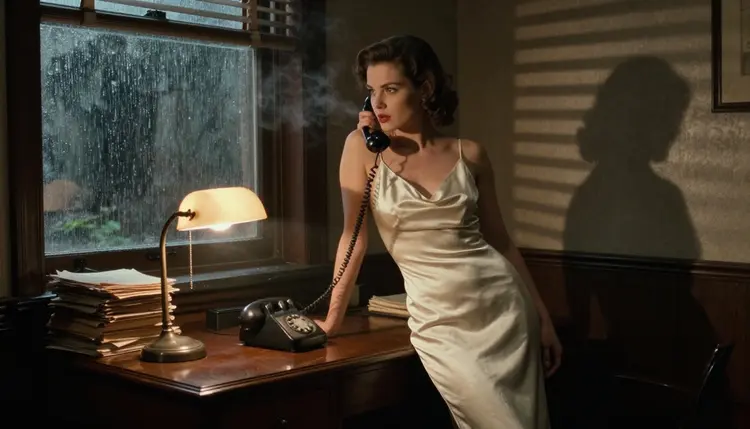
Most of the 488 models in the Picasso IA catalog apply a filter that flags an adult prompt the moment it reads as intimate or suggestive, whatever art style is attached to it. Six models do not. Seedream 4.5, Qwen Image 2, Recraft V4.1 Pro, Picasso Image Editor Pro, Picasso Video and LTX 2.3 Pro are all confirmed to run NSFW prompts with no content filter, and between the six of them they cover almost every visual style a reader might want, a noir photograph with hard shadows one generation, a hand-inked fantasy portrait the next, without switching apps or softening a single word.
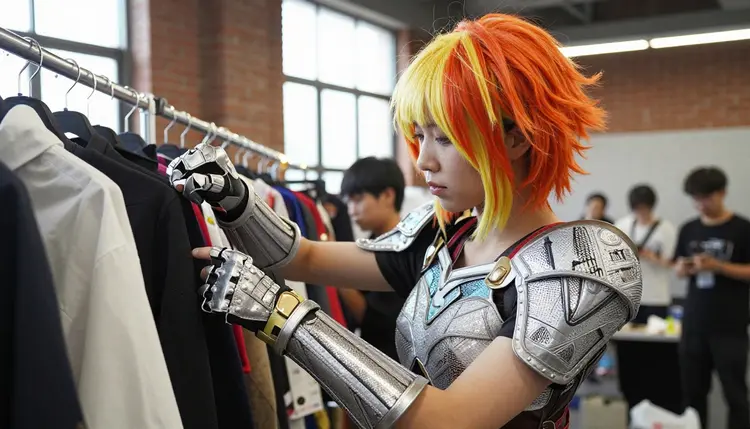
A cosplay scene like this backstage moment is a good example of why one model rarely covers every style on its own. A costume built from several distinct pieces, armor plating, a specific wig color, a rack of alternates in the background, asks for a model that can hold several named details together in one generation, and a different model again if the goal is for the whole image to read as a comic panel rather than a photograph. Six models, six different strengths, is what lets one toolkit answer both without a second account or a second app.
Each of the six confirmed models leans toward a different look, and knowing which is which before writing a prompt saves several wasted generations.
| Model | Style | Best for | Try it |
|---|
| Seedream 4.5 | Photoreal | Skin, fabric and natural light rendered like a photograph | Seedream 4.5 |
| Qwen Image 2 | Multi-detail | Scenes with several named details or two characters at once | Qwen Image 2 |
| Recraft V4.1 Pro | Illustrated | Comic, anime and painterly styles | Recraft V4.1 Pro |
| Picasso Image Editor Pro | Editing | Fixing a hand, a pose or a detail on any finished style | Picasso Image Editor Pro |
| Picasso Video | Motion | Turning a finished image into a short clip | Picasso Video |
| LTX 2.3 Pro | Cinematic video | Motion generated straight from a scene description | LTX 2.3 Pro |
Four of the six draw or edit a still image and two generate video, so the first split worth making is image against motion, before style enters the decision at all. Within the four still-image models, the split that matters most is photoreal against illustrated, and the next two scenes show exactly why.
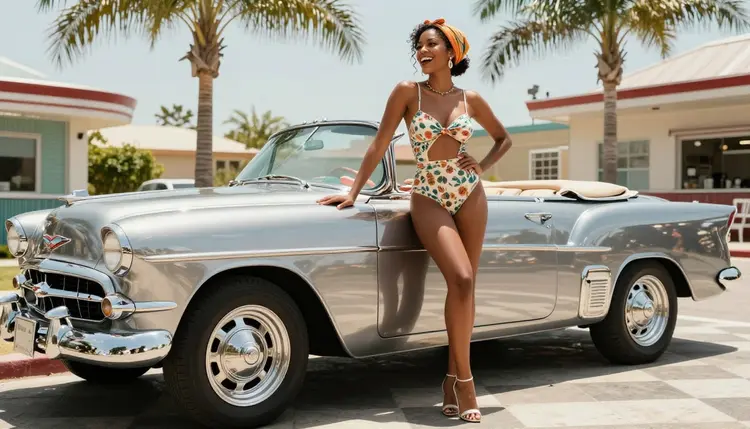
A retro scene like this one, chrome trim, a painted diner sign, period-accurate styling, plays to Seedream 4.5's strength: it renders the scene the way a camera would have caught it in the era it is set in, reflections on the chrome and all, nothing about it reading as illustrated.
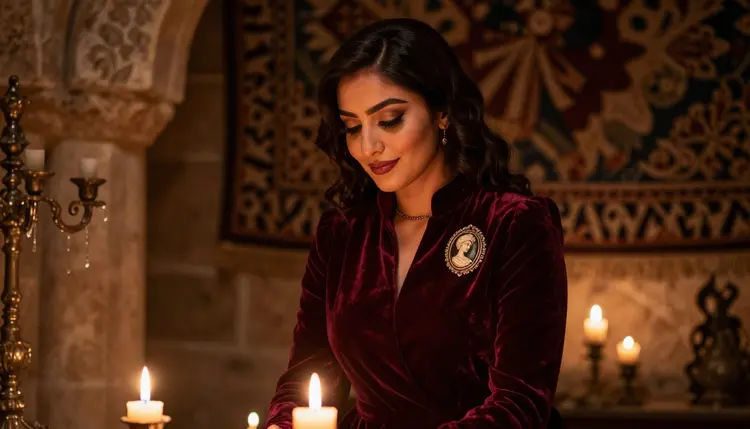
The same kind of brief rewritten for a painted, illustrated finish instead, a gothic gown lit by a single candle in a stone chamber, is where Recraft V4.1 Pro pulls ahead: visible brushwork, a painterly light falloff and a moodier palette than a photoreal render would produce on its own, even from a similarly worded prompt.
Picking a style and getting a finished piece from it is a short, repeatable loop, whichever of the six models ends up running the prompt.
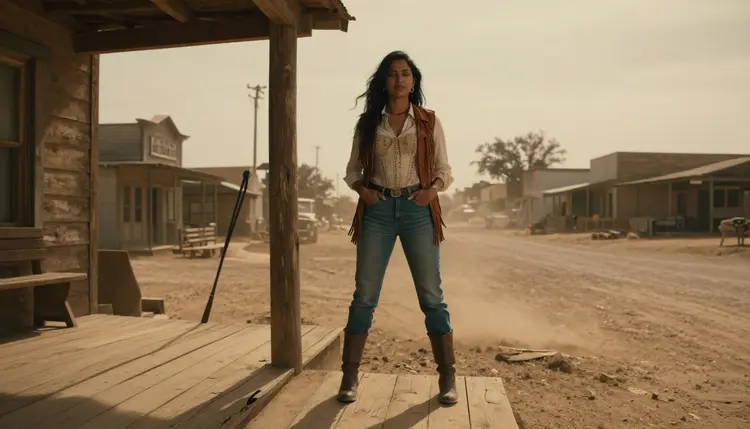
A western scene like this one, weathered wood, dust catching the evening light, a fringed leather vest, is a useful example to walk the five steps against, since naming the era and the material does most of the work before a single model is even chosen.
- Pick the style before the model. Decide whether the finished piece should read as a photograph, a painted illustration, a comic panel or a video clip, since the style decides which of the six models to open, not the other way around.
- Write the brief in specifics. Name the fictional adult subject, the setting, the light and the wardrobe in plain words, because a vague prompt makes every model guess regardless of which one is running it.
- Open the toolkit and select the matching model. Seedream 4.5 or Qwen Image 2 for a photoreal or multi-detail brief, Recraft V4.1 Pro for an illustrated one, Picasso Image Editor Pro to adjust an existing image instead of starting over.
- Generate a batch and compare, not a single try. A handful of variants from one prompt shows whether the style landed, and a second model is one click away if the first did not match the brief.
- Finish with an edit or a motion pass. Send the strongest still through Picasso Image Editor Pro for a fix, or into Picasso Video or LTX 2.3 Pro to turn any of the styles above into a short clip.
The same short set of rules holds across all six models and every style above, photoreal, illustrated or in motion. Every character is a fictional adult, eighteen or older, invented rather than modeled on anyone real. No real person's likeness, with or without a claimed resemblance, no public figure, and nothing built to read as a minor, whatever the art style. Prompts that cross these lines are refused, and attempting them violates the platform's terms.
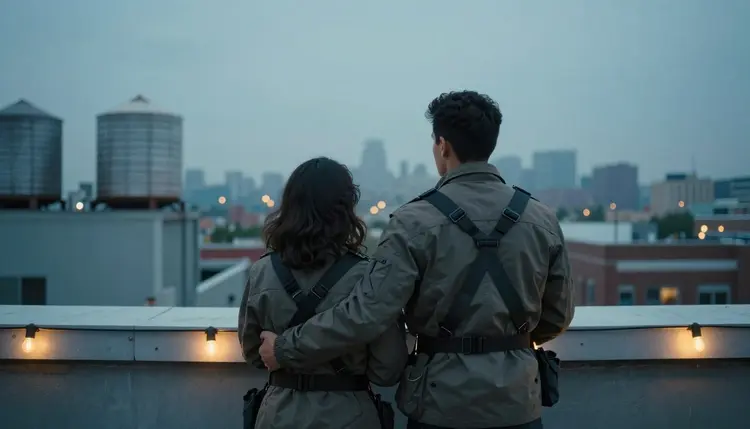
A two-person scene like this rooftop moment carries the same rule twice over: both characters have to read unmistakably as fictional adults, whichever of the six models and whichever style renders them. That standard does not loosen for a couple's scene, a group scene or any other frame with more than one subject in it.
Generations stay private by default, tied to the account that made them rather than shown to anyone else, unless that account chooses to share them. What happens to a finished piece after that, where it is posted and to whom, is governed by local law and by the rules of whatever platform it lands on next, and legal to generate is not automatically the same thing as allowed to publish.
Most adult AI tools hand over one model, and a prompt that does not fit its one style is simply a bad result, not a switchable choice. Picasso IA's catalog holds 488 models, and when a prompt is refused by one of them the app shows a Content Not Supported by This Model message and carries the original prompt over to one of the six confirmed models instead, so nothing typed gets lost and nothing needs softening to slip past a filter that just said no.
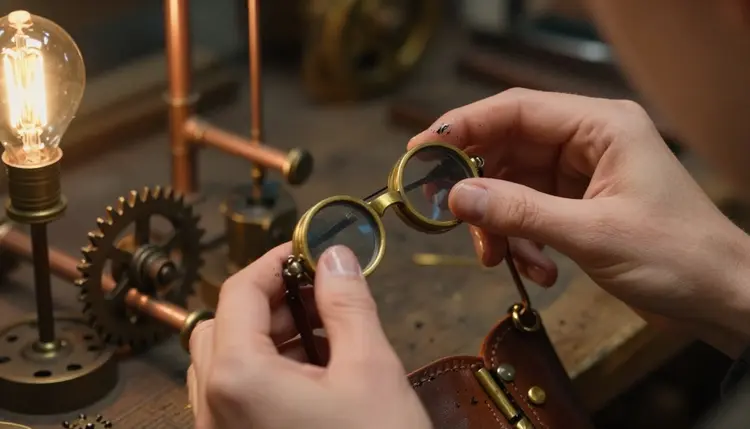
Detail work like this steampunk close-up, brass fittings, worn leather straps, a cluttered workbench behind it, is where the difference between six models built for six different looks actually shows: a photoreal render treats the brass as metal catching light, an illustrated one treats it as line and shading, and both are one model switch apart rather than a separate app entirely.
Names like Nano Banana, Sora, Veo, Kling, GPT Image 1 and DALL-E 3 are ones a lot of readers already know, and none of them sit on the confirmed list here. Most apply a filter tuned for a broad general audience that a suggestive or intimate prompt trips regardless of the art style attached to it. A newer name like Seedance 2.5 is untested on this front too, worth a try but not something this page calls filter-free without confirming it first, the same caution that applies to any model not named among the six above.
Six styles worth of models does not mean paying six times over. Every generation on Picasso IA, whichever of the six models made it, spends credits the same way, and a still image sits toward the cheap end of what a generation costs across the whole catalog.
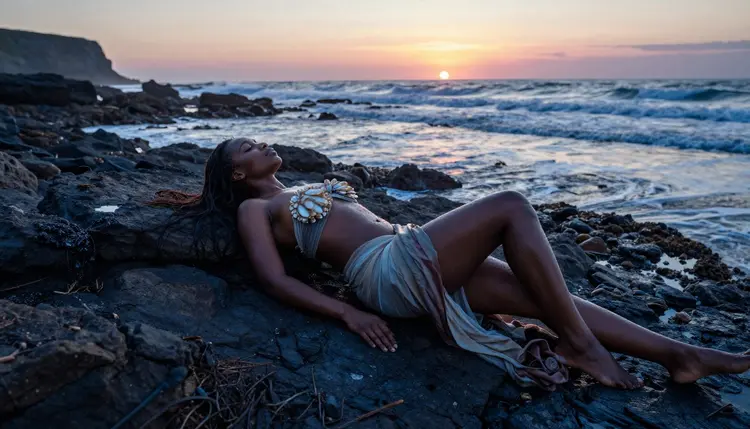
A scene like this golden hour rock pose is a fair example of what a new account's free credits cover: enough room to try the same brief across two or three of the six models, photoreal against illustrated, and compare the results side by side before spending anything further.
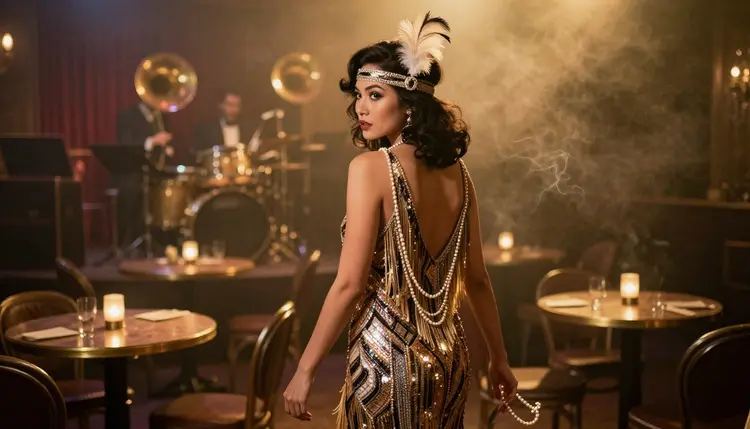
A clip through Picasso Video or LTX 2.3 Pro costs more than a still, worth knowing before turning a whole style comparison into video rather than stopping at the strongest image from the batch. Current plans and exact numbers live on the pricing page, kept there rather than printed here since they change more often than this page does.
Which model should I use for a photoreal NSFW image?
Seedream 4.5 is the pick for a photoreal look, rendering skin, fabric and natural light the way a camera would catch them, with no content filter standing between a prompt and the result.
Which model handles an illustrated, anime or comic style?
Recraft V4.1 Pro is built for that finish, painted, comic-style or anime, and it is confirmed to run with no content filter the same way the other five uncensored models are.
Can I generate a scene with two characters in it?
Yes. Qwen Image 2 is built to hold several named details together in one generation, a second character, a specific wardrobe, a defined setting, without losing one of them along the way, and every character in that scene must still be a fictional adult, eighteen or older.
Do I have to reword my prompt to get past a content filter?
No, not on the six confirmed models. If a different model in the catalog refuses a prompt, the app shows a Content Not Supported by This Model message and offers to carry it over to one of the six instead, rather than asking for a softened or euphemistic rewrite.
Can a finished image become a short video?
Yes. Picasso Video turns a finished still into a short clip, and LTX 2.3 Pro generates cinematic motion straight from a scene description, and both are confirmed filter-free, so a photoreal or illustrated still made earlier can move into either one.
Is Picasso IA free to try?
New accounts start with free credits, enough to compare a brief across two or three of the six models before deciding whether to buy more, and beyond that, generations are paid for with credits rather than a separate subscription per model or per style.
Are the people in these images real?
No. Every subject across every style on this page is a fictional adult, eighteen or older, invented rather than modeled on anyone real. No real person's likeness or public figure is permitted, and prompts that attempt it are refused regardless of which model is running.
What if I need to fix a detail after generating an image?
Picasso Image Editor Pro is one of the six confirmed models and it is built for exactly that: sending a finished piece back through it to fix a hand, a pose or a fabric detail is usually faster than generating from scratch again, in any of the six styles above.
Why do popular names like Sora or Nano Banana not appear on this list?
They are not confirmed filter-free. Most well-known models apply a safety layer tuned for a broad general audience that flags a suggestive or intimate prompt regardless of the art style attached to it, and this page only calls a model uncensored once that has actually been confirmed.
Can I use more than one of the six models on the same piece?
Yes, and it is often the fastest route to a finished result. A photoreal establishing shot from Seedream 4.5, a detail check through Qwen Image 2, a cleanup pass on Picasso Image Editor Pro and a closing clip through Picasso Video or LTX 2.3 Pro can all belong to the same project.