Typing an NSFW prompt raises a few questions before the image ever finishes rendering. Who sees this prompt. Does it end up somewhere other people can browse. Is the model quietly trained on what gets typed into it. Those questions matter more for adult content than for almost anything else generated online, and most tools answer them badly, or not at all.
Picasso IA answers them by default rather than as a paid extra. Every generation stays tied to the account that made it, private unless that account chooses to publish or share it, on any of the six models confirmed to run with no content filter. This page covers why that default matters, how those six models work, the five steps from a blank prompt to a finished image, and the rules that apply to every one of them.
Every example on this page is a fictional adult character, eighteen and over. New accounts start with free credits, enough to try the workflow below before deciding whether to buy more, and the toolkit is where all of it happens.
Adult content carries a different kind of risk than a landscape or a product shot. A leaked prompt, a gallery that turns out to be public when it was meant to stay private, a platform that trains its next model on what customers typed, any of these turns a private moment into something a person never agreed to share. The concern here is rarely that generating adult content is wrong. It is that the tool doing it treats a private prompt the same as a public one.
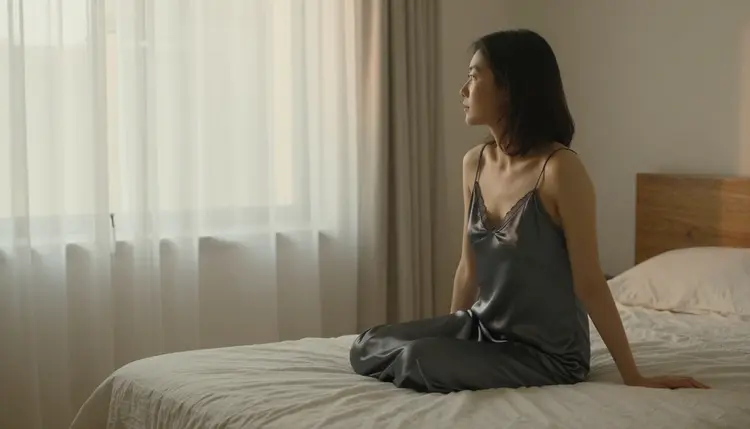
On Picasso IA, a generation belongs to the account that made it. It does not appear in a public feed, it is not shown to other users, and it is not published anywhere unless the account holder actively chooses to share it. That is true of every generation on the platform, adult or not, and it does not require an extra setting to turn on.
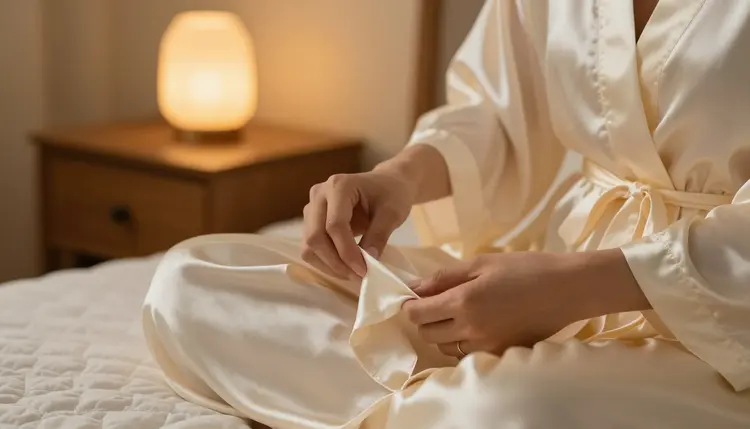
That same default extends to the six models below. Running with no content filter changes what kind of prompt a model will generate. It does not change who gets to see the result afterward. Privacy and an unfiltered model are two separate promises, and a generator worth trusting for adult content needs to keep both.
The Six Models Confirmed to Run With No Content Filter
Picasso IA's catalog runs close to five hundred models, and most of them apply a content filter built by the lab that trained them, a filter that blocks anything reading as adult regardless of what it was written for. When that happens, the app shows a message that the content is not supported by that model and offers to carry the same prompt over to one that will actually run it, so nothing typed gets lost hunting for a workaround.
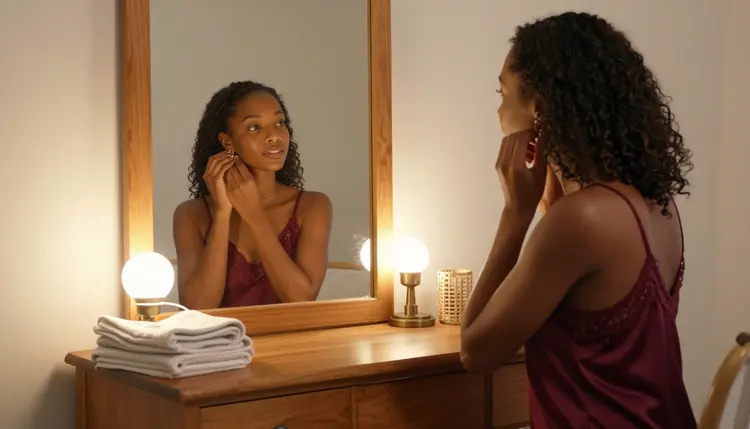
Six models are confirmed to skip that filter entirely. Seedream 4.5 is the photographic, hyper realistic pick, closest to an actual photograph. Qwen Image 2 is the open source option, strong at following a prompt that lists several details at once. Recraft V4.1 Pro is built for illustration and stylized art rather than a photo. Picasso Image Editor Pro edits an image that already exists instead of starting from a blank prompt. Picasso Video and LTX 2.3 Pro generate video, turning a prompt or a still into motion. All six carry the same account only privacy default described above. See the full catalog for the rest of what the app offers.
Getting from an empty prompt to a finished image, kept private by default the whole way, takes five short steps.
- Create an account and keep the login to yourself. Sign up with an email address to receive a starting allowance of free credits, and treat the login the same as any other private account, since privacy on the platform starts with who can access it.
- Open the toolkit and choose one of the six confirmed models. The toolkit lists Seedream 4.5, Qwen Image 2, Recraft V4.1 Pro, and Picasso Image Editor Pro for images, or Picasso Video and LTX 2.3 Pro for video.
- Write a fictional, adult prompt. Describe an invented character, the setting, and the mood, and leave out any real name or identifying detail, since the rule about fictional characters only applies no matter how private the account is.
- Generate and review it in private. The result appears only in that account's own history, not in any shared or public space, so there is nothing to undo if the first attempt is not the one worth keeping.
- Decide for yourself what happens next. Keep the image in the account, download it, or delete it. Nothing leaves the account unless it gets shared on purpose.
The prompt itself is worth treating with the same care as the account. Naming a real person, even a public figure, is against the rules on every model regardless of filter status, and it also defeats the point of a private generator, since the goal is a fictional scene, not a real one.

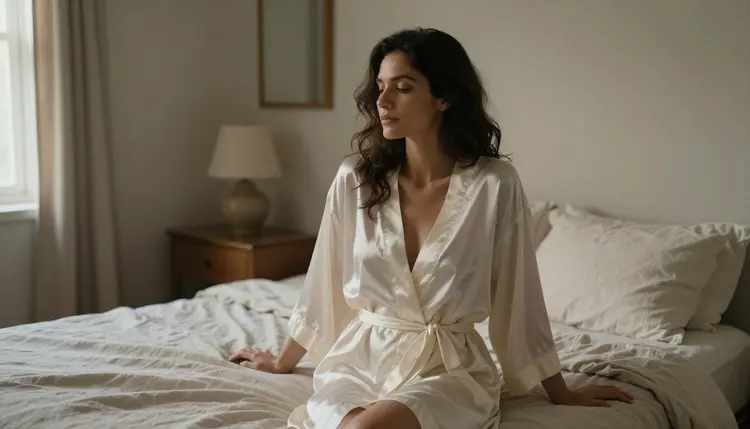
Describe wardrobe and light instead of leaning on a single word to do the work. A silk robe loosely tied, lamp light at dusk, a chair by a window, these read as intimate without needing anything spelled out, and they tend to produce a more convincing result on any of the six models above.
Treat a finished image the way any private photo deserves to be treated. Download a copy if it needs to live somewhere else, and remember that sharing it outside the account, in a chat, a public post, a group, is a choice the account holder makes, not something the platform decides on their behalf.
Two rules sit above every model on this page and above every account using it. First, this is for adults only, eighteen and over, and every character generated must be a fictional adult, invented rather than modeled on a real person, a public figure, or anyone who could read as a minor. Second, privacy is the default, not a favor. A generation belongs to the account that made it and is never published, shown to other users, or used to train anything without that account's own choice to share it.
Running with no content filter changes what a model will generate. It does not change who is allowed to appear in it or who gets to see the result. A prompt that tries to name a real person, or a character written to look underage, is refused on every one of the six models above the same as on any other model in the catalog, and attempting it is treated as a violation of the platform's terms.
What happens to a finished image once it leaves the account is governed by local law and by wherever it gets shared, not by Picasso IA. Legal to generate privately is not the same as appropriate to publish, and that distinction is worth keeping in mind regardless of how private the generation itself stayed.
Every generation, on any of the six confirmed models, is paid for with credits rather than a separate subscription tier per model. A new account starts with a free allowance, enough to run the five steps above across a handful of prompts before deciding whether more credits are worth buying.
Image generations sit at the cheaper end of what the catalog costs, with video priced higher given the extra work involved in making it. Exact numbers shift as the catalog grows, so current allowances and plan pricing live on the pricing page instead of printed here where they would go stale.
Whatever plan gets chosen, the privacy default described throughout this page holds the same way. Paying for more credits changes how much can be generated. It does not change who gets to see it afterward.
Is what I generate on Picasso IA really private?
Yes. Every generation stays tied to the account that made it and is never published, shown to other users, or shared anywhere unless that account actively chooses to share it, on any of the six confirmed models or the wider catalog.
Which models are confirmed to run with no content filter?
Seedream 4.5, Qwen Image 2, Recraft V4.1 Pro, Picasso Image Editor Pro, Picasso Video, and LTX 2.3 Pro are the six models confirmed to generate adult content without a filter blocking the prompt. No other model in the catalog has been confirmed to behave this way.
What happens if I try an adult prompt on a model that is not one of the six?
Most other models apply their own filter and refuse the prompt, and the app shows a message that the content is not supported by that model. The prompt carries over automatically, so switching to one of the six confirmed models does not require retyping anything.
Does an unfiltered model mean fewer rules about who can appear in the image?
No. Every character generated must be a fictional adult, eighteen and over, with no real person's likeness and nothing that could read as underage, regardless of which model is running or whether its filter is active.
Does Picasso IA train its models on my private prompts?
A generation belongs to the account that made it and stays private by default, not shared or published without that account's own choice, which is the privacy promise this page describes throughout.
Can other users see what I generate?
No. Nothing generated on the platform appears to other users or in any public or shared space unless the account holder decides to share it themselves.
Is it free to try?
New accounts start with a free allowance of credits that covers several generations across the five steps described above. Beyond that allowance, generating more requires credits from a paid plan, with current numbers kept up to date on the pricing page.
Can I generate a real person privately, since no one else would see it?
No. The rule against generating a real person's likeness or a public figure applies regardless of privacy, and a prompt that attempts it is refused and treated as a violation of the platform's terms on every model in the catalog.
What should I do with an image once I have generated it?
The account holder decides. Keep it in the account, download a copy, or delete it, and treat sharing it outside the account as a separate choice the platform does not make on your behalf.
Can I generate NSFW video privately as well as images?
Yes. Picasso Video and LTX 2.3 Pro both generate video with no content filter and the same account only privacy default as the four image models above.