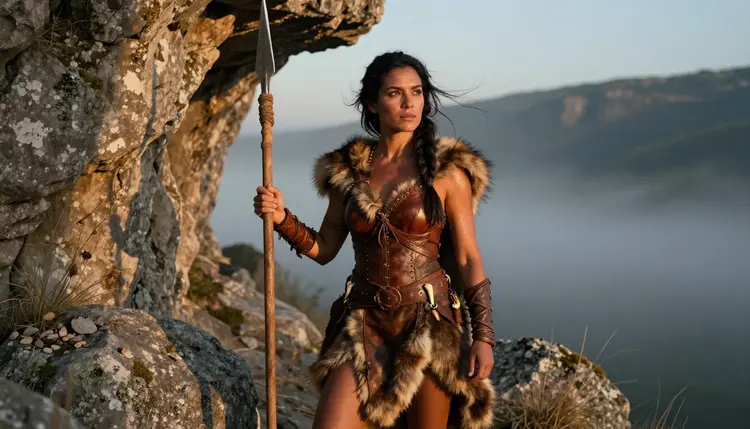
Furs and leather over bare skin, a camp fire cutting through the mist, an axe handle worn smooth by years of use: barbarian fantasy is one of the oldest visual genres there is, and it has always lived close to the body. On Picasso IA, that means a prompt can ask for the same rugged romance a paperback cover or a tabletop rulebook has used for decades, without a content filter flattening the mood into something safe and generic. Out of the catalog's 488 AI models, six are confirmed to generate adult content with no content filter, and Recraft V4.1 Pro, built for illustration and design rather than photorealism, is the strongest starting point for this genre: painterly texture, dramatic light, and a design sense that reads fur, leather, and firelight the way a fantasy book cover artist does.
This page is broad on purpose. It compares all six confirmed models for barbarian fantasy work, walks through the five steps from a scene idea to a finished piece, and explains what happens when a different, general audience model filters an adult prompt instead of drawing it.
One line before anything else, since it governs every example on this page: every character shown here is a fictional adult, eighteen or older, invented for the scene. No real person's likeness, no public figure, and nothing resembling a minor, in any setting or style.
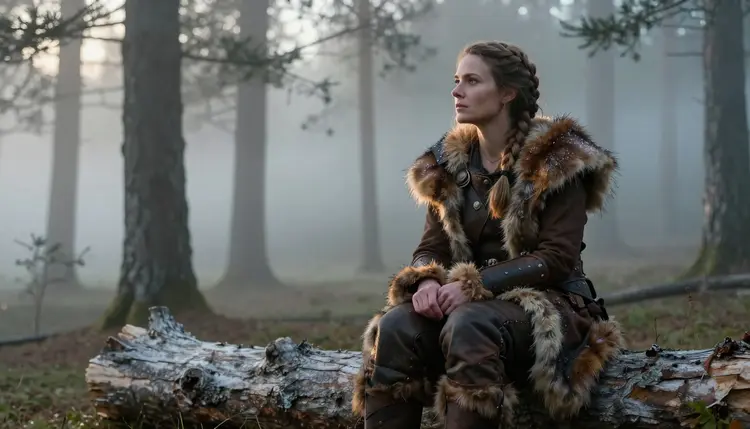
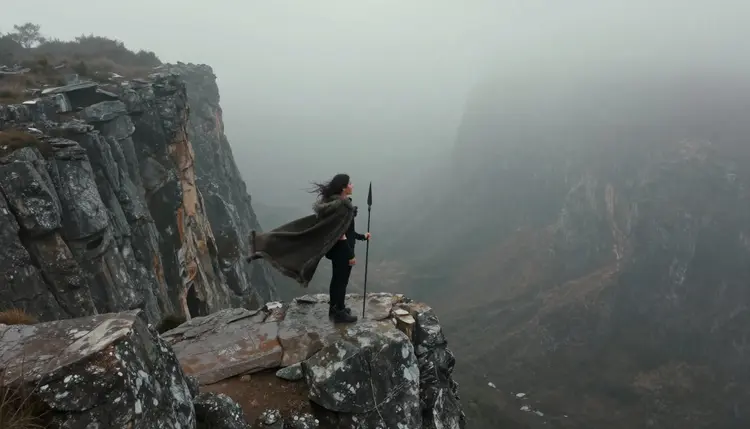
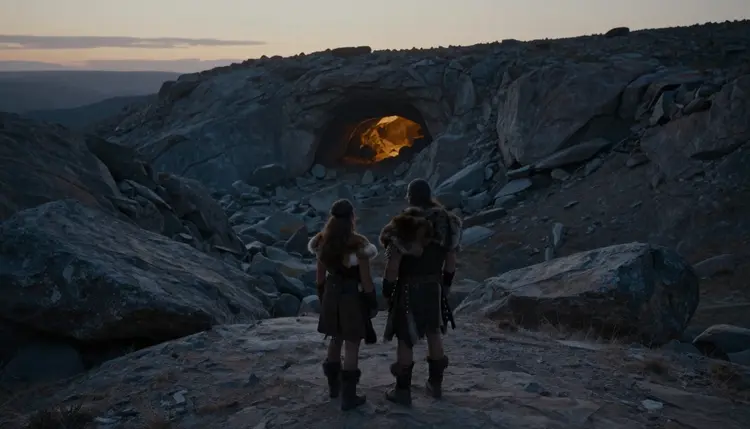
Barbarian fantasy prompting is scene building more than pose photography. The genre's identity lives in its materials and its light: cured leather, rough cut fur trim, a scar or a tribal mark, a weapon with real weight, and a setting that is doing half the work, a cave mouth, a pine forest at dusk, a boulder above a valley. Recraft V4.1 Pro is the lead pick for this kind of work because it is built as an illustration and design engine rather than a photorealism engine, the same engine already carrying most of the pin-up and comic style pieces in the catalog. It reads torchlight, fur texture, and a painterly brush stroke the way a photographic model reads a 35mm lens and studio light, and it is one of only six models across the catalog confirmed to generate adult content with no content filter.
Recraft V4.1 Pro is not the only option, though. A scene that wants to read as a photograph, a camp fire lit with real skin tones rather than a painted finish, is a job for Seedream 4.5 instead, and a scene with several specific pieces that all need to survive one generation, armor, cape, weapon, and firelight together, tends to hold together better on Qwen Image 2. Picasso Image Editor Pro turns a close result into a finished one, fixing a hand or a strap on the piece that is already closest to right. All of it sits inside the toolkit, next to the full catalog.
Six models in the catalog run with no content filter on adult prompts. That is six out of 488, not the whole catalog: most models here, including several well known names, are tuned for a general audience and screen an adult barbarian prompt before it ever renders.
| Model | Type | Best for barbarian fantasy | Try it |
|---|
| Recraft V4.1 Pro | Image | Painterly scenes, fur, leather, firelight | Recraft V4.1 Pro |
| Seedream 4.5 | Image | Photoreal skin, fabric, real light | Seedream 4.5 |
| Qwen Image 2 | Image | Scenes with several pieces in one prompt | Qwen Image 2 |
| Picasso Image Editor Pro | Image editor | Fixing a hand, a strap, or a prop after the fact | Picasso Image Editor Pro |
| Picasso Video | Video | Turning a finished scene into motion | Picasso Video |
| LTX 2.3 Pro | Video | Cinematic barbarian video from a scene description | LTX 2.3 Pro |
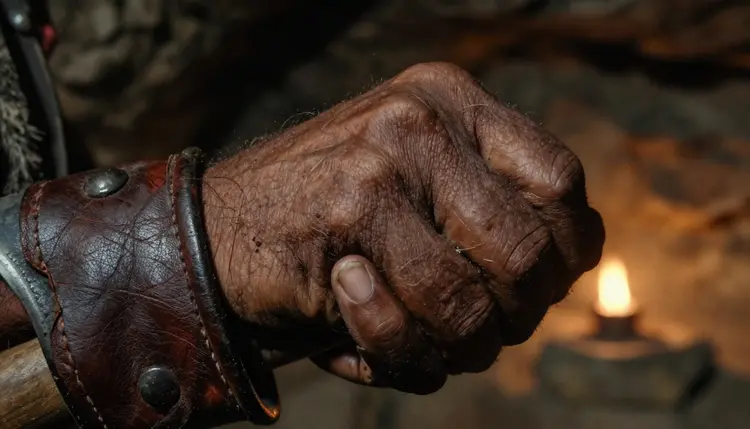
Four of the six draw or edit still images, and two generate video. Recraft V4.1 Pro carries the most weight on this page since painterly fantasy work is what it is built for, but the other five cover the parts of a barbarian project it is not the right tool for: a real skin and fabric look, several pieces held in one shot, a video clip, or a fix on a finished piece. Qwen Image 3 Pro and LTX 2 Fast are newer names in the same families that are untested for this kind of prompt, worth a try once the confirmed six have been exhausted, but not something this page can promise a result from.
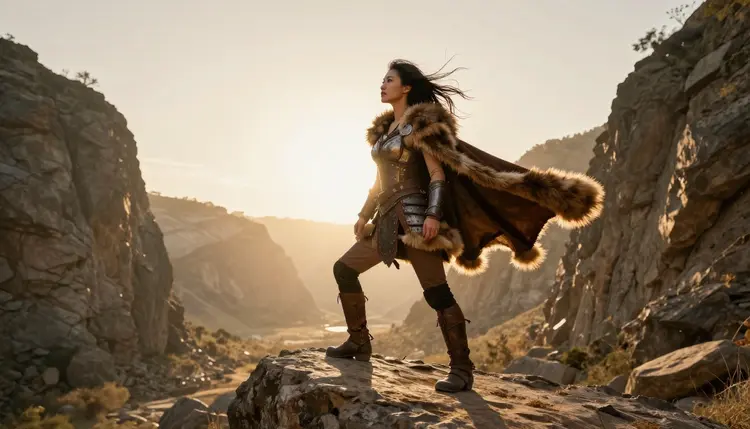
Getting from a scene idea to a finished piece of barbarian fantasy art follows the same five step loop regardless of which model opens it.
- Write the Scene, Not Just the Character. Name the setting, misty forest, torch lit cave, sunlit cliff, the fur and leather details, a weapon or prop, and the light; a fictional adult warrior in fur-trimmed leather armor, standing at a cliff edge at dusk, torchlight from below, is a complete brief on its own.
- Open the Toolkit and Match the Model to the Look. Recraft V4.1 Pro for a painterly, book cover finish, Seedream 4.5 for a photoreal camp fire scene, Qwen Image 2 when the scene has several pieces, armor, cape, weapon, and firelight, that all need to appear together.
- Generate a Batch and Check the Mood First. A handful of variants from one prompt shows whether the light, the fur texture, and the setting all came through together; a tight spread across the batch means the brief was specific enough.
- Adjust One Detail at a Time. Keep the closest result, change the pose, the light, or a single prop, and generate again rather than rewriting the whole scene; three or four rounds is a normal distance to a keeper.
- Finish With an Edit Pass. Send the winning image to Picasso Image Editor Pro to fix a hand, straighten a strap, or clean up a torch flame, then download it and check the edges of the frame before calling it done.
Most places to generate barbarian fantasy art hand over one model and one outcome. Picasso IA's catalog holds 488 models, and a scene refused by one is not a dead end: the app shows a Content Not Supported by This Model message and recommends switching to one of the six confirmed models, carrying the original prompt over so nothing typed gets lost. Switching models is the sanctioned move, not rewording a scene with euphemisms to slip past a filter that just refused it; that approach is not supported on Picasso IA and it usually produces a worse result even when it works.
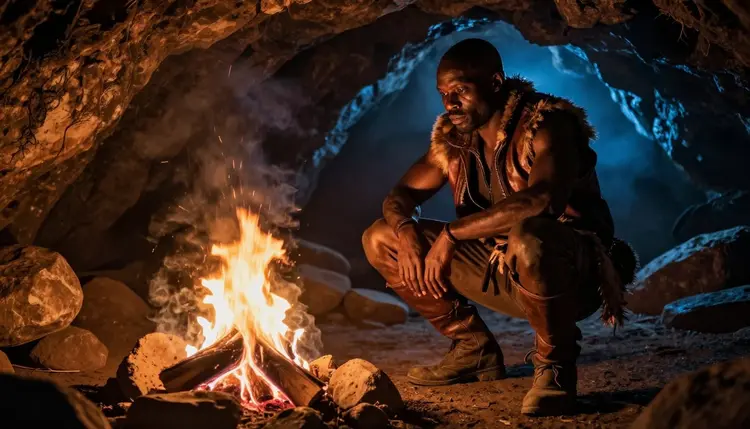
The other difference is that a scene does not have to stop at a still image. A finished illustration from Recraft V4.1 Pro can move into Picasso Video or LTX 2.3 Pro, both confirmed filter-free, and come out as a short clip instead of a static piece, firelight flickering, mist drifting, a cape moving in the wind. Nano Banana, Seedance 1.5 Pro, Sora, Veo, Kling, GPT Image 1, and DALL-E 3 are names a lot of people already know, and none sit on the confirmed list; several apply a filter tuned for a broad, general audience that a fictional adult prompt can trip regardless of the wording. Vidu and Leonardo AI are alternatives worth a try for other kinds of work, but this page makes no filter claim about either one.
Barbarian fantasy art on Picasso IA runs under the same short set of rules as every other adult generation on the platform, and how rugged or intimate a scene gets does not change any of them.
This page and everything it describes is for adults only, eighteen and up. Every character is a fictional adult invented for the scene: no real person's likeness without explicit consent, no public figures, and nothing involving a minor or anyone made to look like one, regardless of the setting or how a design is styled. Prompts that cross these lines are refused by the models and violate the platform's terms.
Privacy is the default here, not an add-on: a generation belongs to the account that made it, nothing is posted to a public feed on your behalf, and no prompt or result is used to train a model without separate, explicit consent. An uncensored model is not a flawless one, either. Layered fur, a weapon held at an angle, and firelight on skin are some of the harder details for any image model to render cleanly, filtered or not, so check the hands and the edges of a scene, not only the mood, before calling a generation finished.
Where a finished piece ends up is the responsibility of the person who made it. Local law decides what is legal to generate, and each platform sets its own rules for what it allows posted, and those two answers are not always the same one.
Generating barbarian fantasy art spends credits the same way any other generation on Picasso IA does, and a single illustration sits toward the cheap end of what an image costs. A short video clip through Picasso Video or LTX 2.3 Pro costs more than a still image, worth knowing before turning a whole scene into motion. New accounts start with free credits, enough to try a scene brief across a couple of models and run a full edit pass before spending anything further. Current plans and exact prices live on the pricing page, kept there since they change more often than this page does.
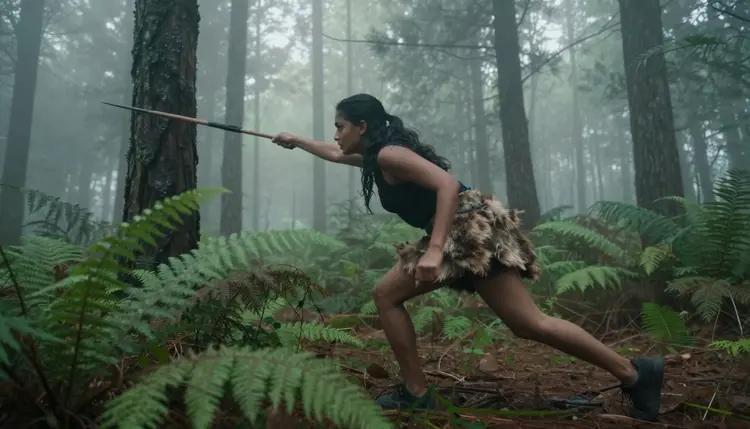
A free account is enough to compare Recraft V4.1 Pro's painterly finish against Seedream 4.5's photoreal one on the same scene brief before spending anything, which is the fastest way to learn which style a particular idea actually wants.
Which model should I use for NSFW barbarian fantasy art on Picasso IA?
Start with Recraft V4.1 Pro for a painterly, illustrated scene with a book cover finish; it is built for drawn and designed work rather than photorealism, and it is one of six models confirmed to run with no content filter on adult prompts. Reach for Seedream 4.5 instead for a photoreal camp fire or forest scene, or Qwen Image 2 when the scene has several specific pieces, armor, cape, weapon, and firelight, that all need to survive one generation together.
Does Recraft V4.1 Pro really have no content filter for adult barbarian prompts?
Yes. Recraft V4.1 Pro is one of six models across the catalog confirmed to generate adult content with no content filter. Most other models, including several well known names, are not on that confirmed list and may refuse an adult barbarian fantasy prompt outright.
What is the difference between Recraft V4.1 Pro and Seedream 4.5 for this genre?
Recraft V4.1 Pro is an illustration and design model: painterly brush texture, dramatic rim light, and a book cover finish. Seedream 4.5 is a photoreal model: skin, fur, and firelight rendered the way a camera would capture them. A scene naming brush texture and a color mood belongs in a Recraft V4.1 Pro prompt; a scene naming a lens and a lighting setup belongs in a Seedream 4.5 prompt.
Can a finished barbarian fantasy scene be turned into a video?
Yes. Picasso Video and LTX 2.3 Pro are both confirmed filter-free and both generate video, so a scene that started as a Recraft V4.1 Pro illustration can move into either one and come out as a short clip instead of staying a still image, firelight flickering and mist drifting through the frame. Both live inside the toolkit with the four image models above.
Does Nano Banana or another well known model generate NSFW barbarian art?
Nano Banana is not on the confirmed list, and like most models built for a broad audience it applies a safety layer that can flag and refuse an adult barbarian prompt. The same applies to other familiar names like Seedance 1.5 Pro, Sora, Veo, Kling, GPT Image 1, and DALL-E 3; none are confirmed filter-free, and any of them can refuse a prompt the six confirmed models would generate.
What happens if a model refuses my barbarian fantasy prompt?
The generation stops and a Content Not Supported by This Model message takes the image's place, and the app recommends switching to one of the six confirmed models, carrying the original prompt over. The fix is switching models and running the same prompt again, not reworking the description with euphemisms to sneak past the filter that just refused it.
Can I generate barbarian art of a real person or a celebrity?
No. This is an adults only feature, and every character shown or generated here is a fictional adult, invented for the scene. A real person's likeness needs explicit consent, and public figures are excluded entirely; both are refused by the models and forbidden under the platform's terms. This includes uploading a real photo into Picasso Image Editor Pro for a scene edit, since the edit is still built on that likeness.
How do I describe a barbarian scene so the model gets it right?
Name the specific parts rather than a general theme: the setting, the fur and leather materials, two or three exact colors, the light source, and a weapon or prop. A brief like fur-trimmed leather armor, standing at a cliff edge at dusk, torchlight from below gives a model something concrete to build; a vague instruction like a cool warrior scene leaves too much to guess.
Why do fur, leather, and firelight sometimes render wrong?
Layered fur trim, a weapon held at an angle, and light bouncing off skin near a flame are some of the harder shapes and surfaces for any image model to draw cleanly, filtered or not. Removing a content filter changes what a model will attempt, not how well it handles complex texture and light. A simpler pose on the first pass, then a follow-up edit through Picasso Image Editor Pro naming the exact detail to fix, is what actually solves it.
How much does a barbarian fantasy image cost, and are there free credits?
A single barbarian fantasy illustration sits toward the cheap end of what any image generation costs on Picasso IA; a video clip through Picasso Video or LTX 2.3 Pro costs more than a still image. New accounts start with free credits, enough to test a scene brief across a couple of models and run a full edit pass before spending anything further. Exact current prices are on the pricing page, since plans change more often than this article does.
Recraft V4.1 Pro is already sitting in the toolkit with the rest of the full catalog. Open it, describe the scene in one line, and run the first barbarian fantasy prompt on the free credits that come with a new account.