Cottagecore is a soft, romantic aesthetic long before it is anything else: sun bleached linen, wildflower fields, stone cottages, and tea steaming on a wooden table. Picasso IA turns that aesthetic loose on adult prompts too, rendering scenes where a loose linen dress slips off one shoulder or two lovers lean into each other at a garden gate, without the flat refusal most general purpose models hand back the moment a pastoral scene turns intimate. Seedream 4.5 leads this look because it renders mist, the weave of linen, and warm skin the way a camera would, and it is one of only six models across the catalog confirmed to generate adult content with no content filter.
This page compares all six confirmed models for a cottagecore scene, walks through the five steps from a mood board to a finished piece, and lays out the rules that hold regardless of which model does the rendering. Every character shown here is a fictional adult, eighteen or older, invented for the scene rather than drawn from anyone real.
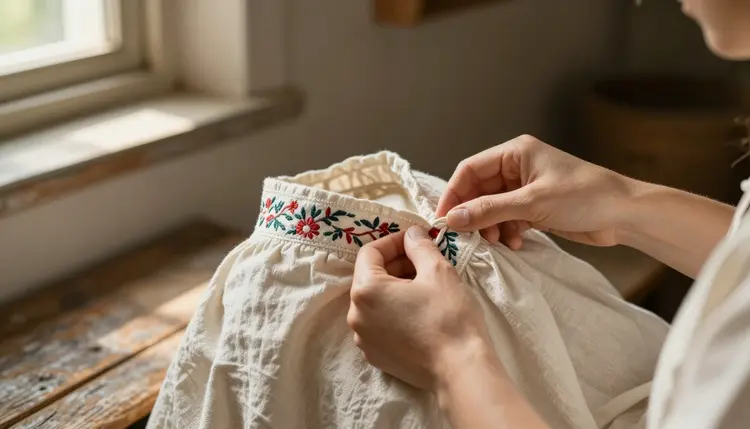
Cottagecore leans on softness more than shock: an embroidered collar left a button open, a hammock nap in a loose dress, two people standing close enough that their foreheads touch. That is exactly the register most general audience models are tuned to catch. A linen slip photographed with any warmth to it, or a couple standing closer than a stock photo would allow, and the prompt gets refused outright or sanded down into something stiff and catalog ready, the opposite of the unguarded, sun warmed mood cottagecore is going for.
Seedream 4.5 is the model to start with for this look. It is built for a photographic result rather than an illustrated one, and it happens to render exactly the texture a cottagecore prompt asks for: linen with real weave and wrinkle, skin with real warmth, mist and golden hour light that look shot rather than generated. It sits alongside five other confirmed models, Qwen Image 2, Recraft V4.1 Pro, Picasso Image Editor Pro, Picasso Video, and LTX 2.3 Pro, each covering a piece of a cottagecore scene Seedream 4.5 is not the natural first pick for. All six sit inside the toolkit, next to the full catalog.
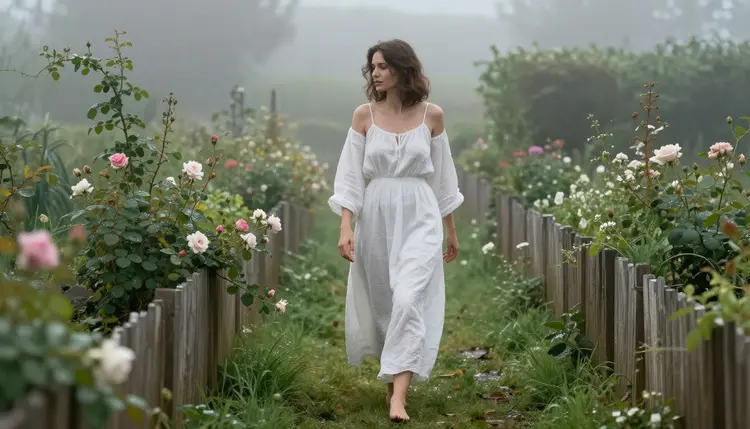
A vague prompt is the most common reason a cottagecore scene comes back flat rather than intimate. Naming the fabric, the light, and one small gesture does more for the mood than a long list of adjectives about the character ever will, and it is the difference between a generic outdoor portrait and a scene that actually reads as cottagecore.
Six models in the catalog run with no content filter on adult prompts, out of nearly 500 total. That distinction matters more for a cottagecore brief than it sounds: a prompt naming a linen slip, bare shoulders, or two characters embracing can read as adult even when nothing in it is explicit, and a model outside the confirmed six is likely to refuse it anyway.
| Model | Type | Best for cottagecore | Try it |
|---|
| Seedream 4.5 | Image | Photoreal linen, skin, and natural light | Seedream 4.5 |
| Qwen Image 2 | Image | Scenes with several props in one prompt | Qwen Image 2 |
| Recraft V4.1 Pro | Image | An illustrated, storybook cottagecore look | Recraft V4.1 Pro |
| Picasso Image Editor Pro | Image editor | Fixing a hand, a fold of fabric, or a prop | Picasso Image Editor Pro |
| Picasso Video | Video | A garden scene turned into motion | Picasso Video |
| LTX 2.3 Pro | Video | Cinematic golden hour video | LTX 2.3 Pro |

The rest of the catalog is not confirmed for this kind of prompt and should be treated that way. Newer, similarly named entries such as Seedream 5 Lite and Seedream 5 Pro sit elsewhere in the catalog and have not been tested for adult cottagecore scenes; they are worth trying once the six above are exhausted, not a guaranteed match. The same goes for LTX 2 Pro, a different model from LTX 2.3 Pro despite the close name, and for any generator outside Picasso IA entirely: an alternative to explore later, never a first stop for this kind of scene.
A cottagecore prompt is closer to set dressing than portrait work. Fabric does most of the emotional lifting: linen, cotton, and muslin in cream, sage, or dusty rose, worn loose rather than tailored, a hem catching wind or a collar left a button open. Naming the fabric and how it moves gives Seedream 4.5 something concrete to render, closer to a lighting cue than a mood word.
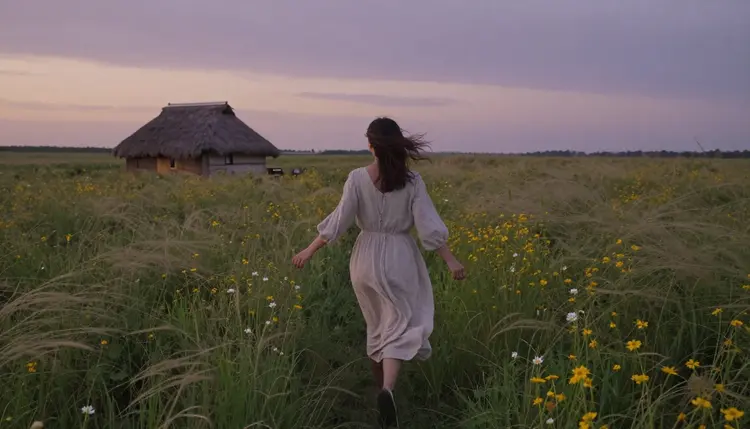
Setting carries the rest. A misty garden path at dawn, a sunlit windowsill, a lavender field, a stone cottage doorway at sunset, a hammock strung between two trees, each one sets the light before the pose does any work. Golden hour and soft morning mist are the two moods that read as cottagecore most reliably; harsh midday sun or a plain studio backdrop break the aesthetic even when everything else in the prompt is right.

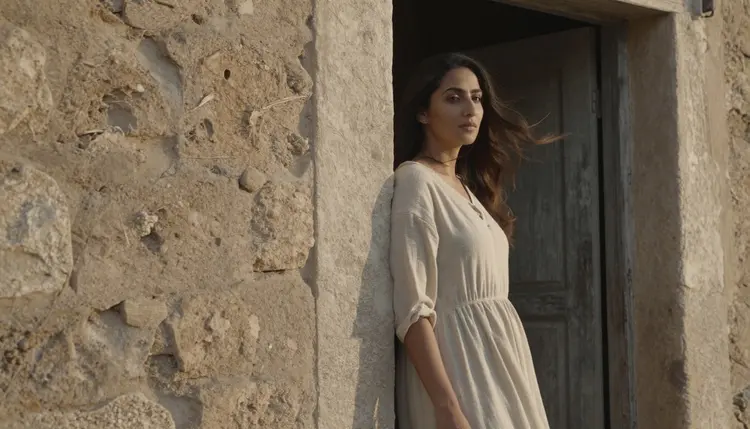
Props and small gestures do more for intimacy than a pose ever will. A woven basket of gathered flowers, a steaming cup of tea, two people standing close enough that their foreheads touch at a garden gate, these read as tender and suggestive without describing anything explicit, and they are the details that separate a cottagecore scene from a generic outdoor portrait.

Getting from a mood board to a finished cottagecore image follows the same five steps regardless of the exact scene.
- Name the fabric and the setting first. A loose cream linen dress in a misty garden at dawn is a complete brief on its own; naming the material before the pose gives Seedream 4.5 something concrete to render.
- Open the toolkit and select Seedream 4.5. Picking the model before typing the prompt keeps the first generation from landing on a model tuned to refuse or flatten a soft, intimate scene.
- Generate a batch and check the light first. A handful of variants shows whether the golden hour or morning mist actually came through; a tight, consistent batch usually means the setting was specific enough.
- Adjust one detail at a time. Keep the closest result, change the pose, the light, or a single prop, and generate again rather than rewriting the whole scene from the beginning.
- Finish with an edit pass. Send the winning image to Picasso Image Editor Pro to fix a fold of fabric or a hand, then check the edges of the frame before calling it finished.
Cottagecore art on Picasso IA runs under the same short set of rules as every other adult generation on the platform, and the softness of the aesthetic does not change any of them. Every character shown is a fictional adult, eighteen or older, with nothing invented that reads as younger regardless of how gentle or pastoral the scene looks. No real person's likeness appears without explicit consent, no public figures, and a fictional frame never covers for a character written to look underage.

Generations stay private to the account that made them by default, never published anywhere or shown to other users unless that account chooses to share them. A soft, romantic scene gets the same privacy treatment as any other generation on the platform, nothing more visible and nothing less.
An uncensored model is not a flawless one. Linen folds, entwined hands, and hair caught in wind are some of the harder details for any image model to render cleanly, filtered or not, so check the fabric and the hands, not only the mood, before calling a generation finished.
Cottagecore generations spend credits the same way any other generation on Picasso IA does, and a still image sits toward the cheap end of what the catalog costs. A short video clip through Picasso Video or LTX 2.3 Pro costs more than a still image, worth knowing before turning a whole garden scene into motion.

New accounts start with free credits, enough to test a cottagecore brief across a couple of models and run an edit pass before spending anything further. Current plans and exact prices live on the pricing page, kept there since they change more often than this page does.
Which model should I use for an NSFW cottagecore scene on Picasso IA?
Start with Seedream 4.5. It renders a photographic result, and it is one of six models across the catalog confirmed to generate adult content with no content filter, which matters for a cottagecore prompt naming a loose linen dress or two characters standing close together. Reach for Recraft V4.1 Pro instead for an illustrated, storybook version of the same scene.
Does Seedream 4.5 really have no content filter for cottagecore prompts?
Yes. Seedream 4.5 is one of six models across the catalog confirmed to generate adult content with no content filter. Most other models on the site are not on that confirmed list and may refuse a cottagecore prompt the moment it reads as intimate, even without anything explicit in it.
What makes a scene read as cottagecore rather than a generic outdoor portrait?
Fabric, light, and small props do most of the work: loose linen or cotton in cream or sage, golden hour or morning mist rather than harsh midday sun, and a detail like a woven basket of flowers or a steaming cup of tea. Naming these specifically gives Seedream 4.5 something concrete to render instead of a vague mood word.
Can a cottagecore scene include two characters together?
Yes. A couple standing close at a garden gate or leaning their foreheads together is a common cottagecore beat, and Seedream 4.5 handles two figures in one frame directly. Describe each character separately before describing what they are doing together, so the model does not blend their features into one person.
What is the difference between Seedream 4.5 and Recraft V4.1 Pro for this style?
Seedream 4.5 renders a photographic result: real fabric weave, real skin, light that looks shot rather than drawn. Recraft V4.1 Pro renders an illustrated, storybook version of the same scene, closer to a picture book than a photograph. A prompt naming a lens or a time of day belongs with Seedream 4.5; a prompt naming a flat color palette belongs with Recraft V4.1 Pro.
Can a finished cottagecore image be turned into a video?
Yes. Picasso Video and LTX 2.3 Pro are both confirmed filter free and both generate video, so a garden scene that started as a Seedream 4.5 image can move into either one and come out as a short clip instead of staying a still image.
What happens if a model refuses my cottagecore prompt?
The generation stops and a Content Not Supported by This Model message takes its place, and the app recommends switching to one of the six confirmed models, carrying the original prompt over so nothing typed gets lost. Switching models is the fix, not rewording the prompt with softer language to try to sneak past a filter that already refused it.
Can I generate a cottagecore scene of a real person?
No. Every character on this page has to be a fictional adult, eighteen or older, and no real person's likeness appears without explicit consent, no public figures, and nothing written to look underage regardless of how the prompt is worded. This holds no matter which of the six confirmed models generates the image.
Why do fabric folds or hands sometimes render wrong in a cottagecore scene?
Linen folds, entwined hands, and hair caught in wind are some of the harder shapes for any image model to draw cleanly, filtered or not. A simpler pose on the first pass, then a follow up edit through Picasso Image Editor Pro naming the exact fold or hand to fix, solves most of it faster than starting over.
How much does a cottagecore image cost, and are there free credits?
A single cottagecore image sits toward the cheap end of what any image generation costs on Picasso IA, and a video clip through Picasso Video or LTX 2.3 Pro costs more than a still image. New accounts start with free credits, enough to test a scene across a couple of models before spending anything further. Exact current prices are on the pricing page, since plans change more often than this article does.