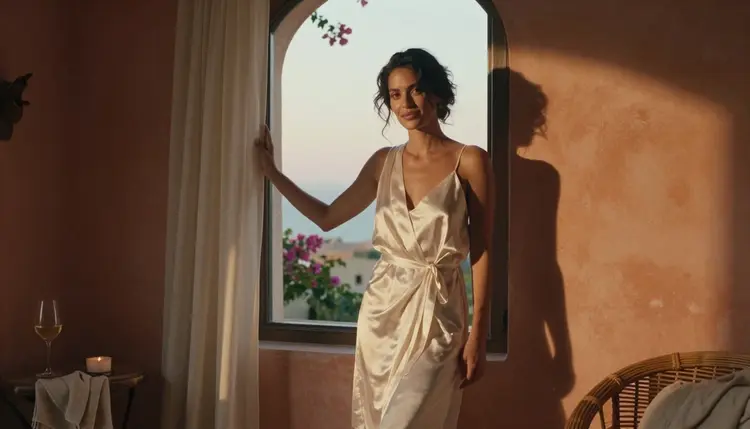
Type "a romantic evening scene" into any AI image generator and you will get a technically correct picture with nothing behind it: even light, a neutral expression, a room that could belong to any prompt ever written. Add two words, candlelight and tender, and the same model returns something that actually feels like a scene instead of a placeholder.
This is a working word bank, not a lecture on prompt theory. Below you will find the lighting vocabulary and the mood vocabulary that consistently move a spicy or NSFW prompt from generic to atmospheric on Picasso IA, five steps for combining the two into a finished prompt, and an honest list of which models on the platform actually run these prompts with no content filter standing in the way.
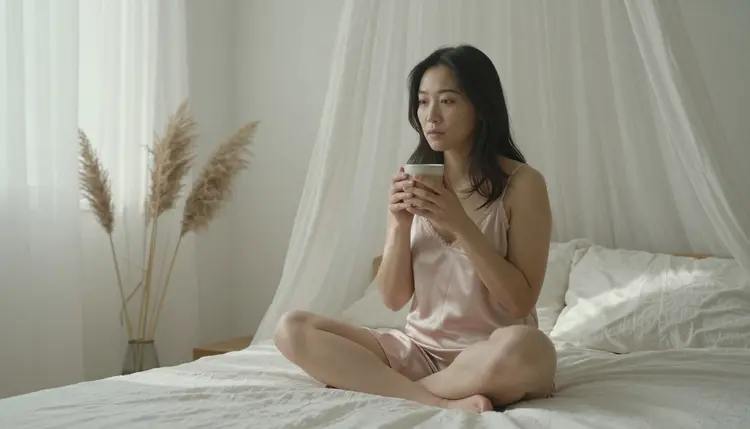
Every AI image model renders literally what it is told and nothing it is not. Skip the light source and most models default to flat, even studio lighting, the kind that makes an intimate scene look like a product photo instead of a moment. Skip the mood and you get a pose in the right place with no feeling behind the eyes.
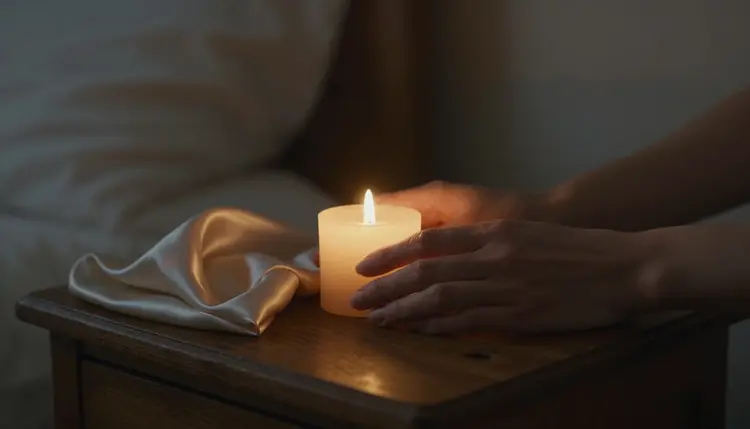
Lighting and mood words earn their keep because each one compresses a huge amount of visual information into a term the model has already seen thousands of times in training. Candlelight means warm, flickering, low and uneven, pools of light against real shadow, without you having to spell any of that out. Sultry means slowed down, half lidded, a softer color grade, again without a paragraph of physical description.
That is the whole premise of a word bank: instead of writing a fresh paragraph of scene description every time, you keep a short list of lighting and mood terms you already know work on Picasso IA's models, and you combine them for whatever tone you are after, unhurried and romantic, playful and confident, or something quieter and more private.
Lighting is the fastest lever you have for changing the emotional register of a scene without touching the subject at all. Here is a working set, grouped by what each term tends to produce.
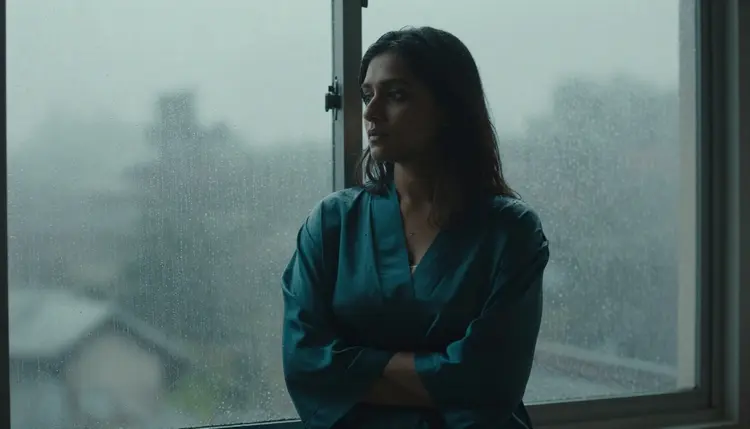
Moody and cinematic: blue hour, dusk, rain-streaked window light, neon glow off a city street, moonlight. These add a touch of mystery or melancholy, useful when a scene should feel more like a still from a film than a bedroom snapshot.

Warm and intimate: candlelight, firelight, amber glow, warm lamplight, string lights strung over a bed or a balcony. These push a model toward orange and gold tones, soft uneven shadow, and a private, cozy feeling that reads as intimate rather than staged.
Soft and romantic: golden hour, sunset light through sheer curtains, diffused window light, soft morning light, or on quieter days, the grey wash of light through a rain-streaked window. These render as gentle and unhurried, better suited to a tender or slow burn scene than to anything high energy.
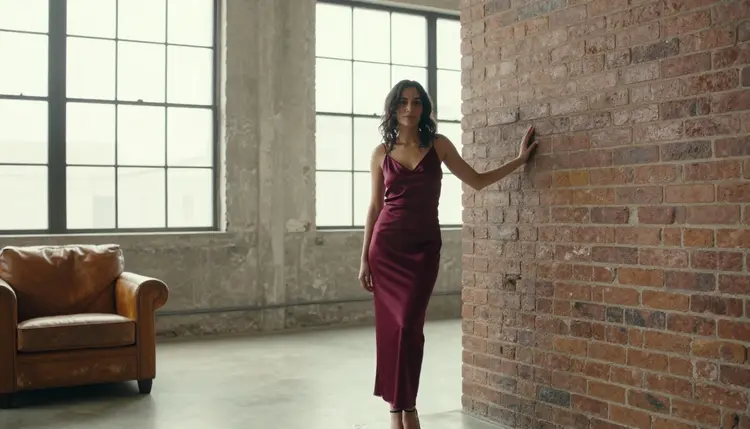
Bright and confident: bright midday sun, poolside light, clear open daylight, high key lighting. These push toward energy rather than intimacy, and they suit a playful or bold scene far better than a quiet, private one.

You rarely need more than one light source and one quality word in a single prompt. Naming two conflicting sources, candlelight and midday sun in the same line, tends to flatten both out instead of blending them, so pick the one that matches the mood you are actually going for.
Once the light is set, the mood word tells the model how the subject feels and how the whole scene should be treated. A short list that consistently earns its place in a prompt:
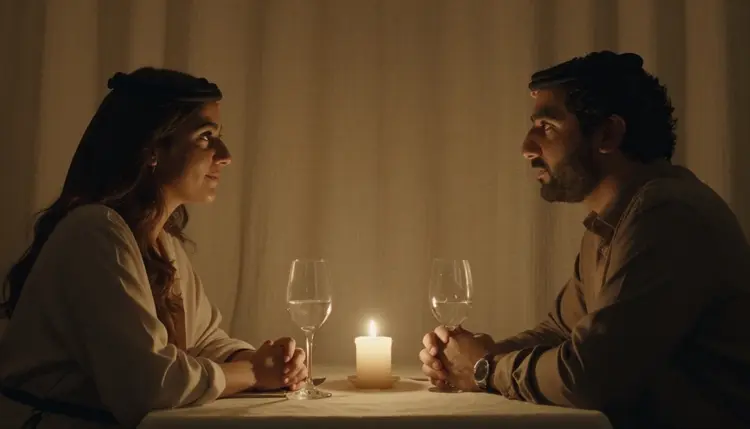
Intimate, tender, unhurried, slow burn: for close, quiet moments, a couple across a table, a hand resting on a shoulder, a private exchange rather than a performance.
Sultry, confident, playful, flirty: for scenes with more energy and eye contact, a look over the shoulder, a knowing half smile, a pose that reads as self assured rather than shy.
Cozy, wistful, relaxed, contemplative: for solo scenes, someone lost in thought by a window or a fire, alone but not lonely, the kind of scene that reads as a private moment rather than one staged for an audience.
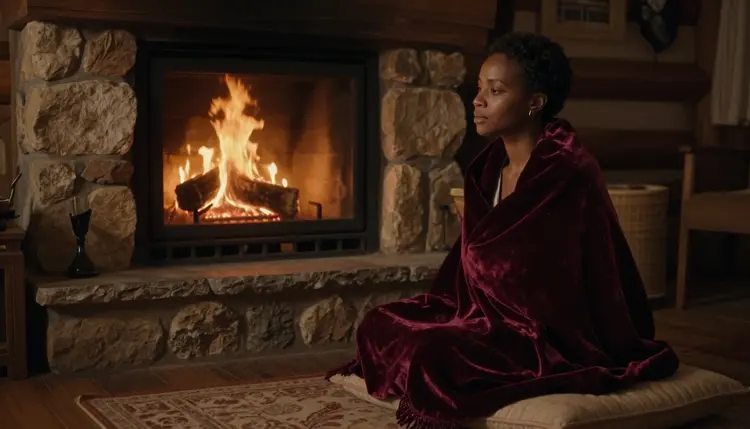
Pair one lighting word with one mood word and the scene exists before you have described a single piece of clothing or a single pose. Firelight, cozy, wistful reads completely differently from neon glow, confident, playful, even applied to the same subject and the same setting, which is the whole point of keeping this word bank close at hand instead of reaching for the first adjective that comes to mind.
Here is how the vocabulary above becomes an actual prompt instead of a pile of adjectives sitting next to each other.
- Pick one light source. Choose a single term, candlelight, golden hour, neon, or moonlight, rather than stacking three or four, since a model asked for conflicting light tends to flatten all of them into something generic.
- Choose one mood word that matches it. Let the mood follow the light instead of fighting it, sultry pairs naturally with candlelight and low shadow, playful pairs naturally with bright daylight and open space.
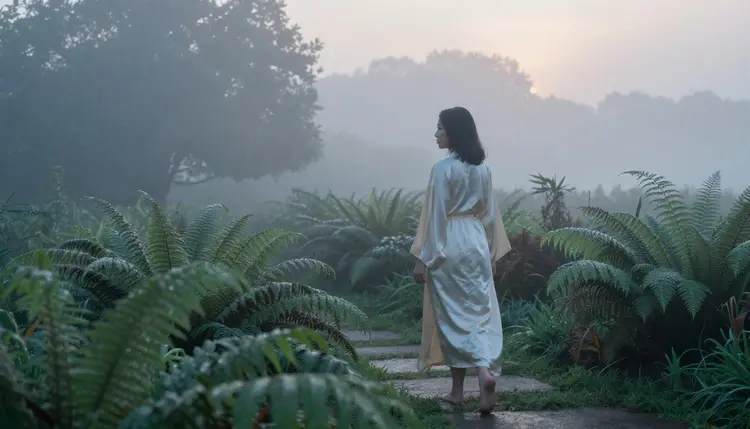
- Add the setting in a few words. A bedroom, a balcony at dusk, a misty garden, a poolside lounger. The setting gives the light somewhere to land and keeps the scene from reading like a floating studio portrait.
- Describe the pose loosely, not rigidly. Say what the subject is doing rather than only how they are standing, resting, leaning, gazing out a window, so the mood word has something concrete to act on.
- Send it to a model you know handles that combination well. The same lighting and mood words can render very differently depending on which model picks them up, so the model choice comes last, in service of the scene you have already written rather than the other way around.
That order matters more than it looks like it should. Light and mood set the emotional target first, setting and pose fill in the specifics, and the model choice comes last because a strong prompt should decide the model, not the reverse.
Not every model on Picasso IA treats a moody, suggestive prompt the same way, and it is worth knowing which ones actually run one with no content filter stripping the lighting and mood words out before the render happens.
Seedream 4.5 and Qwen Image 2 are both confirmed uncensored and both hold onto lighting detail well: candlelight stays warm and low, rather than getting brightened into something generic the way a filtered model sometimes does. Recraft V4.1 Pro is confirmed filter-free too, and it tends to render mood words like sultry or wistful with a slightly more painterly, editorial finish, which suits a slower, romantic scene especially well.
For editing a photo you already have, Picasso Image Editor Pro is confirmed uncensored and is the one to reach for when you want to relight an existing image, pushing it from flat daylight to candlelight without regenerating the whole scene from scratch. Picasso Video and LTX 2.3 Pro are both confirmed filter-free for motion, useful once you want the same warm, flickering light to carry through a short clip instead of a single frame.
Other models in the catalog may well handle a mood and lighting prompt just fine too, but their filter behavior for this kind of work has not been confirmed, so treat them as untested and worth a try rather than a guaranteed match. Start with the six confirmed models above if getting the light right on the first attempt matters to you.
This word bank is written for adults describing adult, fictional scenes, and a few limits apply to every single generation, no exceptions.
Picasso IA's NSFW and uncensored tools are 18+ only. You need to be an adult to use them, and every character depicted needs to read as an adult too.
Every character in every image is a fictional adult. Prompts depicting minors, under any framing or art style, are not supported, and neither is generating a real, identifiable person without their consent, public figures included.
On privacy, generations are private by default. Nobody browses your gallery, and nothing made here gets published or shared anywhere on the site unless you choose to share it yourself. Build out your word bank, keep experimenting with light and mood, and keep it inside those limits, every time.
What's the fastest way to make a flat prompt feel more intimate?
Add one lighting word and one mood word before anything else, something like candlelight and tender, since those two terms alone shift the color grade, the shadow and the pose before a single physical detail gets written. Most of the atmosphere in a strong NSFW prompt comes from that pairing rather than from a longer description of the scene itself.
Do I need to write out lighting and mood every single time I generate?
Not word for word, but skipping both is what produces the flat, generic result most people are trying to avoid. Keeping a short personal shortlist of two or three lighting terms and two or three mood terms, the ones from this word bank or your own variations, makes it fast to drop a pair into any new prompt without starting from a blank page.
Which Picasso IA models are confirmed to run these prompts with no content filter?
Six models across the whole catalog are confirmed uncensored: Seedream 4.5, Qwen Image 2, Recraft V4.1 Pro, Picasso Image Editor Pro, Picasso Video and LTX 2.3 Pro. Every other model may or may not handle a mood and lighting prompt the same way, but that has not been confirmed, so it is worth trying rather than counting on.
Can I combine more than one lighting term in the same prompt?
It is usually better not to. Two conflicting light sources in one line, candlelight and midday sun for instance, tend to flatten each other out into something generic rather than blending into a richer scene, so one clear source almost always renders better than two competing ones.
What mood words work best for a slow, romantic scene?
Intimate, tender, slow burn and unhurried pair naturally with warm lighting like candlelight or firelight, and together they push a model toward soft shadow, a gentle pose and a private, unhurried feeling rather than anything staged or high energy.
What mood words work best for something more playful and confident?
Playful, flirty and confident pair naturally with bright, open lighting like daylight or poolside light, and they tend to produce eye contact, an easy smile and a pose with more energy than a quiet, intimate scene calls for.
Does this word bank work for video as well as still images?
Yes, through Picasso Video and LTX 2.3 Pro, both confirmed filter-free for motion. The same lighting and mood vocabulary that shapes a still image works for a short clip too, useful for carrying a flickering candle or shifting cloud light through several seconds of motion instead of a single frame.
Are real people or public figures allowed in these prompts?
No. This is 18+, fictional adults only content: every character generated has to be an invented adult, never a real, identifiable person and never anyone who could be mistaken for a minor, regardless of the lighting or mood words used to describe the scene.
Will other people on the site see what I generate?
No. Generations are private by default and stay tied to the account that made them; nothing gets posted or shared anywhere on the site unless you choose to share it yourself, so experimenting with different lighting and mood combinations for the same scene is never visible to anyone else.
What if I want to use a model that isn't one of the six confirmed uncensored ones?
It is worth trying as an alternative, since plenty of untested models may render mood and lighting prompts fine, but there is no guarantee a content filter will not strip or block the scene first. If getting the atmosphere right matters more than experimenting, stick to the six confirmed models above.