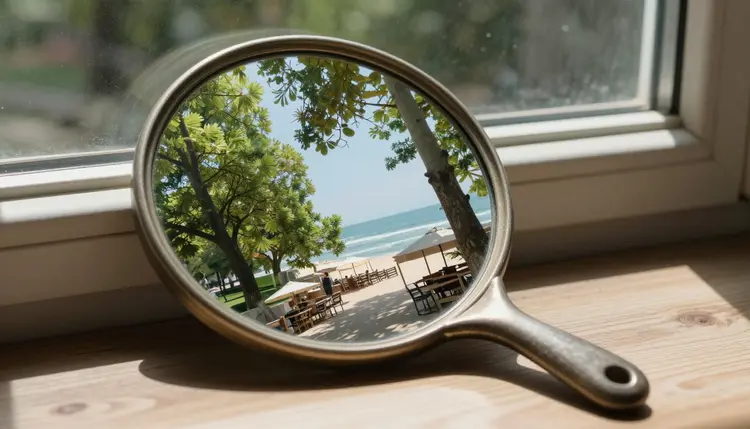
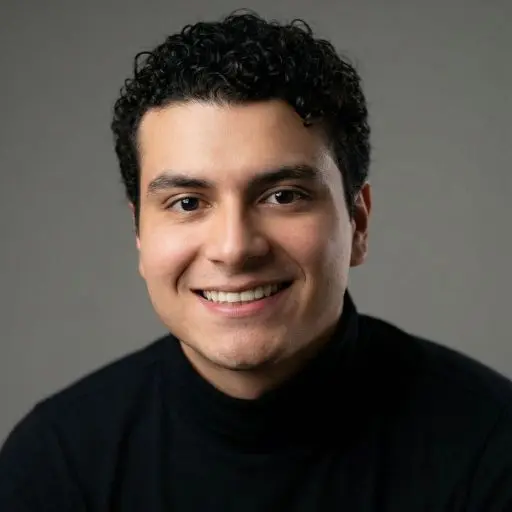
Most dating profiles run on one good photo, cropped and reused until every match has seen it from three angles. The rest of the camera roll is blurry, badly lit, or a group shot someone else took. AI-generated variations from that one good selfie fill the gap: a handful of natural, differently set scenes, produced in an afternoon instead of a photographer's day rate.
A profile with five different settings and expressions reads as more genuine than one polished headshot repeated in every slot, because it shows more of a real, three-dimensional person. One photo could be a lucky angle. Five photos in different light, different clothes and different moods are harder to fake, which is exactly why they tend to earn more attention and more matches.
Repetition also reads as suspicious in a specific way. A grid of near-identical crops from the same single photo is a pattern people associate with fake or scraped profiles, even when the account is completely genuine. Breaking that pattern with an outdoor shot, a casual social photo and a simple portrait does more for trust than sharpening any single image further.
On Picasso IA, this restyling happens in the Toolkit using an editing model such as FLUX Kontext, nano banana or Seedream, which take a reference selfie plus an instruction and generate a new setting while keeping the person. New accounts get free credits, so the first batch costs nothing but a few minutes of picking a good starting photo.
The setting matters as much as the technique. Outdoor daylight, a casual social scene, or a candid moment mid-activity reads as a normal photo someone's friend might have taken. Studio lighting, glossy retouched skin and a fashion-editorial pose read as generated, or at minimum as trying too hard, and matches notice both.
The instruction that tends to work is specific about ordinariness: natural daylight, a slightly imperfect pose, clothes you actually own, an unremarkable background like a park path or a coffee shop window. Asking for "professional photography, dramatic lighting, flawless skin" pushes the model toward exactly the over-produced look that reads as fake on a dating app, even though the same instruction would be right for a magazine cover.
Pro tip: generate in daylight settings that match the lighting quality of your own real photos. If your camera roll is full of casual, slightly grainy phone photos, a hyper-polished studio-lit generation will stand out immediately next to them, and the mismatch is what people notice first.
Naming a setting in your prompt works better than describing it in detail, because the models have seen thousands of labeled examples of each one. These five cover most of what a dating profile actually needs.
| Setting style | What to ask for | Impression it gives |
|---|
| Outdoor and nature | A park path, a trail or a beach, natural daylight | Active, easygoing, comfortable outside |
| Casual social | A café table, a bar patio, soft evening light | Sociable, at ease around other people |
| Hobby or activity | Mid-activity, a sport, an instrument, cooking | Gives matches something to ask about |
| Simple clean portrait | Plain background, natural light, closed-mouth smile | Clear, honest first impression |
| Golden hour close-up | Warm late-afternoon light, relaxed expression | Flattering without looking staged |
Generate two or three of these from the same reference selfies and keep the ones that still look like an ordinary photo of you, not a photoshoot. The setting is doing the work of variety; your face should not change between them.
A dating profile has one job a headshot or a product photo does not: the person you meet in real life has to match the person in the photos. That single requirement changes how far you should push this tool. Generated images have to stay a faithful likeness, not an idealized stranger who happens to share your name, because a match who is disappointed on arrival is exactly the failure mode the whole exercise was meant to avoid.
This is not just etiquette. Most major dating platforms explicitly prohibit misleading photos in their terms of service, and several have started flagging or removing images that appear artificially altered beyond recognition. Using AI to generate a natural photo of yourself in a new setting is different, in both intent and outcome, from using it to smooth your face into someone younger, thinner or simply different. The first respects the point of a profile photo. The second defeats it.
The practical test is simple: would a friend who knows you well immediately recognize the photo as you, without hesitation, on the first look? If yes, the setting can be as varied as you like. If the honest answer is "close, but not quite," that image does not belong in the set, however flattering it is.
The whole process takes about fifteen minutes once you have a few decent selfies ready, most of it spent choosing rather than waiting on generation. Credits are only spent on generation, and you can check what a run costs on the pricing page before starting.
- Gather several clear recent selfies. Two or three photos from the last few months, well lit and facing the camera, give the model enough to work from without guessing at outdated details.
- Generate a handful of natural-setting variations. Try outdoor, casual social and a simple portrait from the table above, keeping the instructions specific about ordinary daylight rather than studio polish.
- Keep only what still looks unmistakably like you. Discard anything where a friend would hesitate before recognizing the face; a slightly plain photo beats a striking one that has drifted.
- Mix in at least one real, unedited recent photo. A set that is entirely generated loses the anchor a genuine photo provides; keep one honest snapshot in the rotation.
- Update the set periodically. Regenerate every few months with current selfies so the profile keeps matching how you actually look now, not how you looked the day you built it.
An honest tool page tells you where the tool breaks, and on a dating profile specifically the stakes for getting this wrong are higher than on most other pages in this catalog.
- Heavy stylization drifts from a likeness: pushing the setting, lighting or retouching further than the examples above tends to produce a flattering stranger rather than a better photo of you, which defeats the entire purpose of the profile.
- Generated scenes are not real events: a photo of you at a beach or a concert you never attended should never be captioned as if it happened, since that turns a harmless style choice into an actual lie about your life.
- A real recent photo still belongs in the set: generated images are a supplement to genuine photos, not a replacement for them, and at least one unedited shot should stay in the rotation.
- Platform rules vary and change: some apps are stricter than others about AI-altered images, so check the current terms of whichever app you are using before relying heavily on generated photos.
- A match's disappointment is the real cost: the goal of this tool is a wider set of honest photos, not a better first impression that collapses on the first date, so weigh every generation against that outcome.
Will AI-generated dating photos actually look like me?
They should, closely, if the reference selfies are clear, recent and well lit. The model restyles a real photo of your face into a new setting rather than inventing a new person, so your features, proportions and skin tone carry over. Where it can drift is heavy stylization or unusual lighting, so review every result against a simple test: would someone who knows you recognize it instantly.
How many selfies do I need to generate a good set?
Two or three clear, recent photos are usually enough. A single selfie gives the model only one angle and one lighting condition to work from, while a short set taken in the same period helps it hold your likeness steady across different generated settings. Avoid mixing very old and very recent selfies, since that gives the model conflicting information about how you currently look.
Is it dishonest to use AI-generated photos on a dating profile?
Not if the result is a faithful likeness in a new, honestly labeled setting. The dishonest version is using generation to alter your actual appearance, younger, thinner, a different face shape, rather than to vary the background and lighting around your real face. The test that matters is whether someone meeting you in person would recognize you instantly from the photo.
Do dating apps allow AI-generated profile photos?
Policies vary and change, so check the current terms of the specific app you use. Most platforms prohibit photos that are misleading about your actual appearance, and several now flag images that look artificially altered beyond recognition. A generated photo that stays a faithful likeness in a new setting is a different case than a photo edited to look like a different person, but the platform's own rules are the final word.
Should I tell matches which photos are AI-generated?
There is no universal rule, but the safer approach on a profile that depends on trust is to lean toward disclosure if you are asked directly, and to avoid the question entirely by keeping every photo an honest likeness in the first place. If a photo needs a disclaimer to not be misleading, it is usually a sign the image drifted further from you than it should have.
What setting works best for a first profile photo?
A simple, clean portrait in natural light tends to work best as the first photo, since it gives a clear, unambiguous first impression before matches see the more varied shots. Outdoor and activity photos are strong supporting images that add personality and context, but the opening photo benefits from being the most straightforwardly recognizable one in the set.
Can AI just fix the lighting in my existing selfies instead of generating a new scene?
Yes, and it is often the smaller, safer edit. An editing model can brighten a dim selfie, correct harsh shadows or clean up a busy background without changing the setting at all, which keeps the photo closer to something you actually took. Reserve full setting generation for filling gaps in your set rather than editing every photo you already have.
How many photos should my finished profile have?
Most dating apps perform best with somewhere between four and six photos that show real variety: a clear opening portrait, an outdoor or activity shot, a casual social photo, and at least one unedited recent snapshot. More photos are not automatically better if several of them look alike; variety in setting and expression matters more than raw count.
Which models work best for this kind of restyling?
Editing models that accept a reference photo plus a text instruction are the right family, since they restyle a real face into a new setting rather than generating one from scratch. On Picasso IA that means FLUX Kontext, nano banana and Seedream as common starting points, with 488 models in the catalog if you want to compare alternatives on the same selfies.
How often should I refresh my dating profile photos?
Every few months, or sooner if your appearance has changed in a way that matters, a new haircut, a different style, meaningful weight change. The point of the honesty line is that the person someone meets should match the photos, and photos that are two years out of date drift from that regardless of how they were produced.
A few decent selfies are already on your phone, and the first batch costs nothing but a few minutes. Open the Toolkit and generate a varied set before you decide which four photos actually represent you.