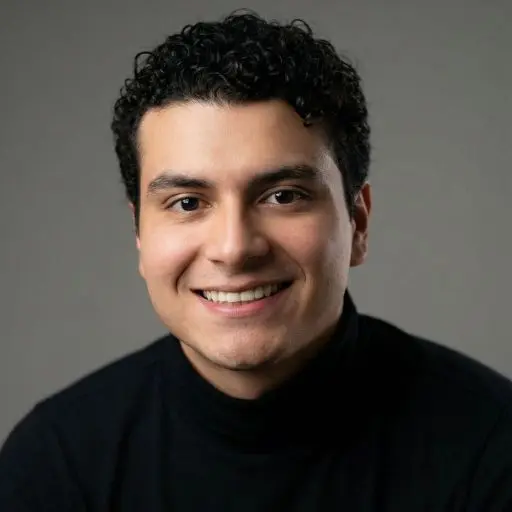
Two names come up before almost any other conversation about NSFW generation on Picasso IA: Seedream 4.5 and LTX 2.3 Pro. One is a photoreal image model. The other turns a scene into a moving clip. Picking between them is less a rivalry than a question of what the finished piece needs to be, since the catalog runs both with no content filter on adult prompts.
This page puts Seedream 4.5 and LTX 2.3 Pro side by side: what each one actually does well, the five-step process for choosing a format and carrying a brief through to a finished result, the four other confirmed models that round out the catalog, and the rules that apply to every adult generation regardless of which model draws it. Adults only, fictional characters only, from the first prompt to the last.
Seedream 4.5 is a photoreal image model. It reads skin texture, fabric, and studio or window light the way a camera would, and it holds a character's face and body consistent across a batch of variants, which is what makes it the default choice for a portrait, a pin-up piece, or a single finished frame. Out of the catalog's 488 AI models, it is one of six confirmed to generate adult content with no content filter, and among the six it is the strongest general-purpose photoreal pick. Try it from the toolkit or its own model page.
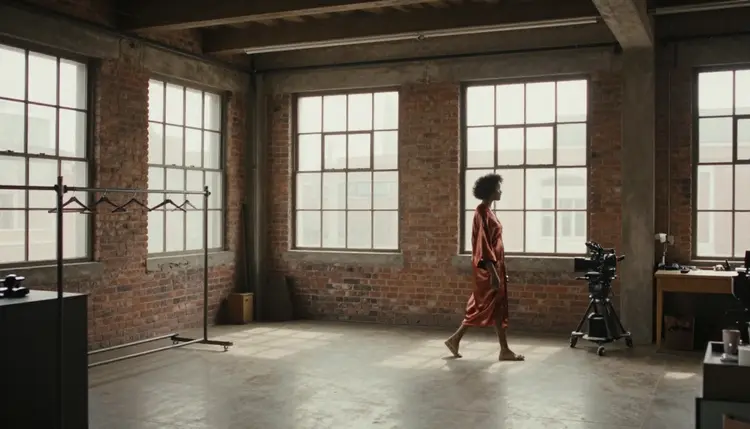
LTX 2.3 Pro works from the opposite direction. It does not draw a single frame; it generates a short clip, several seconds of motion built from a scene description: a walk across a room, a turn toward the camera, a robe catching light as someone moves through it. It is also confirmed filter-free, and it is the model to reach for the moment a brief needs movement rather than a pose, a camera move rather than a composition.

Neither model replaces the other. A finished Seedream 4.5 portrait is not a lesser version of an LTX 2.3 Pro clip, and a video is not just several stitched-together images; they are two different answers to what a session actually needs, and most people who try both end up opening Seedream 4.5 first and moving into LTX 2.3 Pro once a still result already works.
The table below lines the two up on what actually changes a decision: output, what a single generation costs in time, and the kind of brief each one reads best.
| Model | Format | Best for | Try it |
|---|
| Seedream 4.5 | Image | Portraits, pin-up pieces, consistent characters | Seedream 4.5 |
| LTX 2.3 Pro | Video | Motion, camera moves, a scene brought to life | LTX 2.3 Pro |
A still image from Seedream 4.5 renders in a fraction of the time a video does and hands back a full batch of variants to pick a favorite from, which is why most sessions start there even when the final goal is a clip. LTX 2.3 Pro costs more credits and more time per generation, and it rewards a brief written like a shot description rather than a pose: what moves, what the camera does, and how long the motion lasts, not only who is in frame.
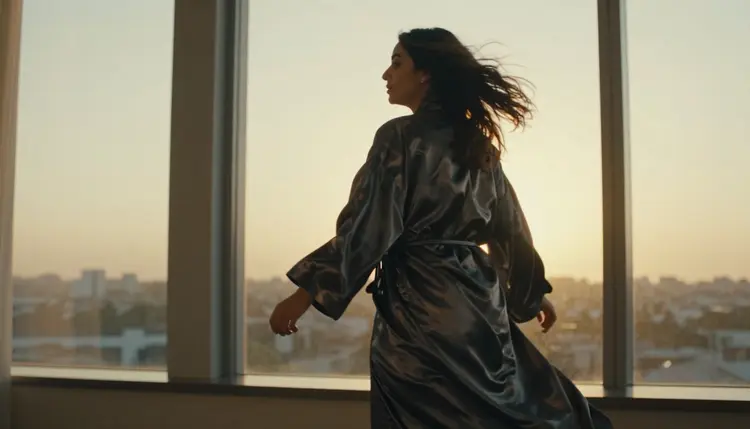
The two also chain together well. A character locked down in a Seedream 4.5 portrait, the face, the outfit, and the light all settled, gives LTX 2.3 Pro a stronger starting point than a scene description alone, since the clip only has to add the motion rather than invent the character from scratch too.

Deciding between Seedream 4.5 and LTX 2.3 Pro, and carrying that choice through to a finished piece, follows the same five-step loop every time.
- Decide what the finished piece needs to be. A single frame to post, print, or use as a profile picture calls for Seedream 4.5; a scene meant to move, a walk, a turn, a camera pan, calls for LTX 2.3 Pro.
- Write the brief to match the format. A Seedream 4.5 prompt names the pose, the outfit, and the light; an LTX 2.3 Pro prompt adds what moves and what the camera does, since a still description alone leaves the motion to guesswork.
- Generate a batch before judging either model. A handful of Seedream 4.5 variants or two or three LTX 2.3 Pro attempts shows whether the brief was specific enough, and a tight spread across the batch is the sign that it was.
- Chain the two when a brief calls for both. Lock a character down as a Seedream 4.5 portrait first, then carry that same description into LTX 2.3 Pro so the clip only has to add motion, not invent the character over again.
- Finish with an edit pass, then check where it lands. Send a still result to Picasso Image Editor Pro to fix a hand or a fold in the fabric, download the finished piece, and check it against local law and the platform it will be posted to before sharing it anywhere.
Seedream 4.5 and LTX 2.3 Pro are the two names this page is built around, but they are two of six models across the catalog confirmed to generate adult content with no content filter, and a brief neither one covers usually has an answer among the other four.
Qwen Image 2 holds several specific details in one image at once, an outfit, a hairstyle, and a prop all surviving the same generation, which makes it the pick when a Seedream 4.5 result keeps losing one piece of a busy brief.
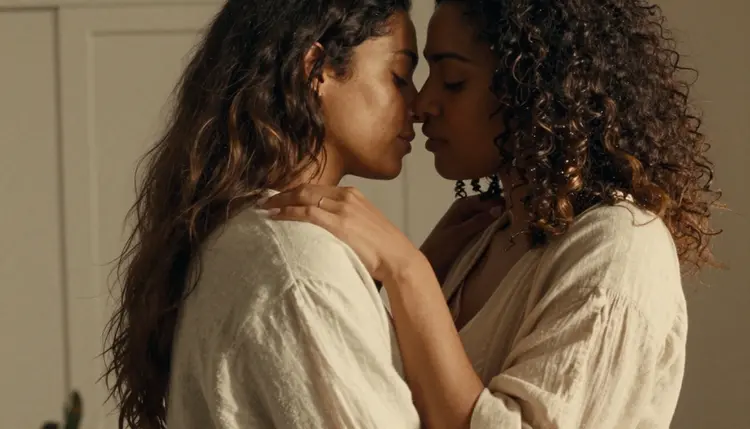
Recraft V4.1 Pro is built for illustration rather than photorealism: flat color, ink outline, a comic or anime finish, for a brief that was never meant to look like a photograph in the first place.

Picasso Image Editor Pro does not generate from scratch; it fixes what is already close, a hand, a fold of fabric, a background detail, on a Seedream 4.5 or Qwen Image 2 result that is otherwise the keeper. Picasso Video sits alongside LTX 2.3 Pro as the catalog's second confirmed video model, worth a try when one model's read of a scene does not land and a second one might.
None of the six is the only route to a result. Qwen Image 3 Pro and LTX 2 Fast are newer catalog additions built for speed, worth a try on a lighter brief, but neither is on the confirmed list, so treat a result from either as untested rather than counted on.
The same short set of rules governs every adult generation on Picasso IA, and it does not bend for either format.
Picasso IA's NSFW tools are for adults only, eighteen and older, and every character shown or generated here is a fictional adult. No real person's likeness without explicit consent, no public figures, and nothing involving a minor or anyone made to look like one, in any style, any format, any brief. Prompts that cross these lines are refused by the models and violate the platform's terms, whether the result would have been a still image or a video clip.
Privacy is the default, not an option to turn on. A generation session is not published anywhere by Picasso IA, and what happens to a finished piece after it is downloaded, where it is posted and under what name, is the responsibility of the person who made it. Local law decides what is legal to generate in the first place, and each platform a piece might land on sets its own rules for what it allows, and those two answers are not always the same one.
Choosing between Seedream 4.5 and LTX 2.3 Pro also means choosing a price. A still image sits toward the cheap end of what any generation on Picasso IA costs, and a short LTX 2.3 Pro clip costs more credits than a single Seedream 4.5 frame, since a few seconds of motion takes more compute to render than one still.
New accounts start with free credits, enough to try a handful of Seedream 4.5 variants, generate a first LTX 2.3 Pro clip, and run an edit pass through Picasso Image Editor Pro before spending anything further. Current plans and exact prices live on the pricing page, kept there since they change more often than this article does.

Should I choose Seedream 4.5 or LTX 2.3 Pro for NSFW content?
Start with Seedream 4.5 if the goal is a single finished frame, a portrait, a pin-up piece, or a profile picture, since it renders faster and gives a full batch of variants to choose from. Reach for LTX 2.3 Pro once the brief calls for motion instead, a walk, a turn, a camera move, something a still image cannot show. Both are confirmed to run with no content filter on adult prompts.
Is LTX 2.3 Pro really uncensored for adult video prompts?
Yes. LTX 2.3 Pro is one of six models across the catalog confirmed to generate adult content with no content filter, and it is one of only two confirmed video models, alongside Picasso Video. Most other video models on the market are tuned for a general audience and can refuse an adult scene outright, regardless of how it is worded.
Can a Seedream 4.5 image and an LTX 2.3 Pro clip use the same character?
Yes, and chaining the two this way usually gives a steadier result than starting a video from a text description alone. Lock the face, the outfit, and the lighting down as a Seedream 4.5 portrait first, then carry that same description into LTX 2.3 Pro, so the clip only has to add motion rather than invent the character again from scratch.
What's the difference between LTX 2.3 Pro and Picasso Video?
Both are confirmed filter-free video models, and either can turn a scene description into a clip. LTX 2.3 Pro tends to hold a cinematic camera move and a longer motion sequence together more consistently, while Picasso Video is worth trying as a second read on a scene when LTX 2.3 Pro's first attempt does not land the way the brief intended.
Do Qwen Image 3 Pro or LTX 2 Fast generate NSFW content?
Neither is on the list of six models confirmed to run with no content filter, so treat a result from either as untested rather than something to plan a project around. Both are newer, faster catalog additions worth a try on a lighter brief, but Seedream 4.5, Qwen Image 2, Recraft V4.1 Pro, Picasso Image Editor Pro, Picasso Video, and LTX 2.3 Pro are the six the platform actually confirms.
How much does an LTX 2.3 Pro clip cost compared to a Seedream 4.5 image?
A short LTX 2.3 Pro clip costs more credits than a single Seedream 4.5 image, since several seconds of motion takes more compute to render than one still frame. A single image sits toward the cheap end of what any generation on Picasso IA costs. Exact current prices for both are on the pricing page, since plans change more often than this article does.
What happens if a prompt is refused?
The generation stops and a message explains the prompt was not supported by that model, and the app recommends switching to one of the six confirmed models rather than leaving the prompt to guesswork. The fix is switching models and running the same brief again, not reworking the wording with euphemisms to slip past a filter that just refused it.
Can I generate NSFW content of a real person?
No. A real person's likeness needs explicit consent, and public figures are excluded entirely, whether the result would be a Seedream 4.5 image or an LTX 2.3 Pro clip. Every character on this page and every character the six confirmed models are meant to generate is a fictional adult, eighteen or older, with no real likeness attached.
Why does an LTX 2.3 Pro clip sometimes look less sharp than a Seedream 4.5 image?
A video model is solving a harder problem than a still image model: every frame of a clip has to stay consistent with the one before it while something in the scene moves. A shorter, simpler motion, one turn or one gesture rather than several actions stitched together, tends to hold up better than a long, busy scene description.
Are there free credits to try Seedream 4.5 and LTX 2.3 Pro?
Yes. New accounts start with free credits, enough to generate a handful of Seedream 4.5 variants, try a first LTX 2.3 Pro clip, and run an edit pass through Picasso Image Editor Pro before spending anything further. The toolkit opens with the free balance already available, no separate setup needed to try either model.
Seedream 4.5 and LTX 2.3 Pro are both already sitting in the toolkit, next to the full catalog. Open it, decide whether the brief needs a frame or a clip, and run the first generation on the free credits that come with a new account.