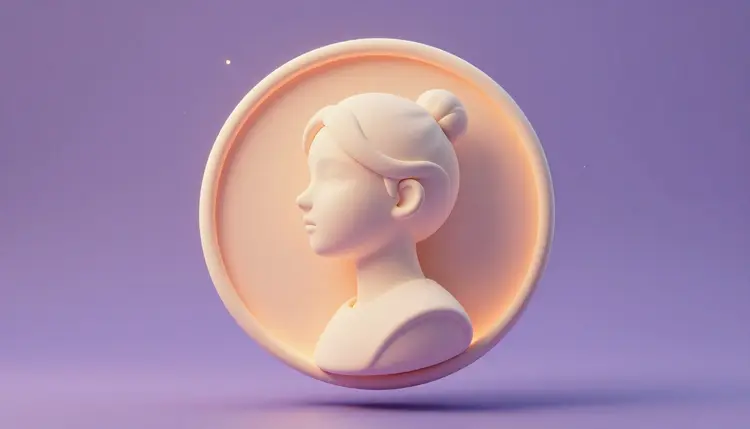
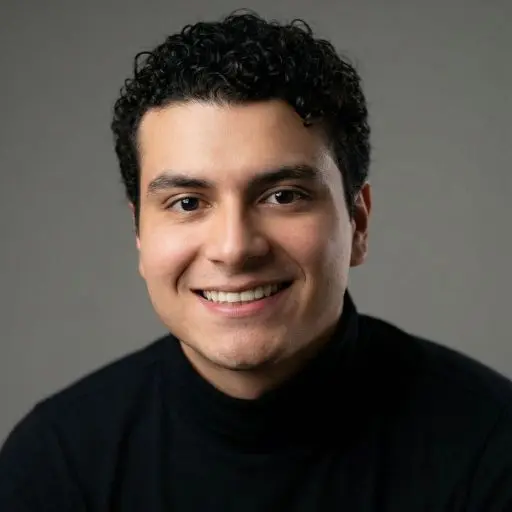
Most profile pictures are a compromise: the one halfway decent photo from a folder of hundreds, cropped tight and hoping nobody looks too closely at the background. An AI avatar generator skips the compromise. You upload one selfie, describe the scene or style you want, and get a finished portrait back in seconds, ready for LinkedIn, a gaming profile, or the team page nobody has updated since 2022.
A profile picture carries more weight than its size on screen suggests. It is the first thing a recruiter, a match, or a new teammate sees, and most people are stuck using whatever photo happens to exist rather than one built for the purpose. Generating one instead means choosing the lighting, the background, and the mood on purpose, without booking a studio or asking a friend to take fifty shots for one usable frame.
Picasso IA runs easel/ai-avatars, a model built specifically for this: it takes one front-facing selfie plus a short scene description and returns a finished portrait, with a HyperRealistic, Realistic or Stylistic look depending on the setting you pick. Because it sits inside a catalog of 488 models rather than a single-purpose app, the same session can also reach text-to-image models like FLUX and Seedream for fully invented personas, or nano banana for further edits; the full catalog is browsable if you want to see what else is available. New accounts include free credits, enough to try a handful of scenes before deciding whether a look is worth keeping.
The right look depends on where the picture is going. A HyperRealistic headshot reads as professional on a resume site; the same treatment looks slightly odd on a gaming forum where a painterly avatar fits the room better. Picking the style before writing the prompt saves a round of regeneration.
| Style | Best model | What you provide | Where it fits |
|---|
| HyperRealistic headshot | easel/ai-avatars, HyperRealistic mode | One front-facing selfie, a plain scene like a studio backdrop | LinkedIn, resumes, business bios |
| Realistic everyday avatar | easel/ai-avatars, Realistic mode | Selfie plus a casual scene description | Instagram, WhatsApp, X |
| Stylized or illustrated | easel/ai-avatars, Stylistic mode | Selfie plus style words like painterly or illustrated | Discord, forums, gaming profiles |
| Couple or team portrait | easel/ai-avatars with a second face photo | Two selfies plus one shared scene | Wedding pages, small team bios |
| Fully invented persona | FLUX or Seedream, text-to-image | A written description only, no photo | Anonymous accounts, brand mascots |
Testing more than one row before committing costs almost nothing, since a single avatar generation is one of the cheaper things on the platform. Running the same selfie through two styles and comparing them side by side beats guessing which one will look right once it is small and round in a corner of the screen.
This is the path from a phone photo to a finished profile picture, and it runs entirely inside the Picasso IA toolkit without any separate editing software.
- Pick a clear front-facing selfie. Even light, no sunglasses, no heavy filter; the model reads the face in this photo, so a clean source photo does more for the result than a clever prompt.
- Choose easel/ai-avatars and set the style. Select HyperRealistic for a photographic headshot, Realistic for a natural everyday look, or Stylistic for an illustrated one, and set the gender option to match.
- Describe the scene in one sentence. Something like standing in a modern office with soft window light, or seated outdoors at golden hour, gives the model enough to build the background around you.
- Generate a few variations and compare them. Run the same selfie and scene two or three times, since results vary generation to generation, and keep the frame where the likeness and the lighting both land.
- Crop and export for your platform. Most social profiles crop to a circle or a square, so check how the composition holds once cropped before setting it as your picture everywhere.
A handful of small choices separate an avatar that looks like you from one that merely looks like a person.
- Start from a clean, current selfie: a recent, well-lit, front-facing photo gives the model an accurate face to work from, and an old or heavily angled photo shows up in the output.
- Set the gender option deliberately: easel/ai-avatars asks for it explicitly, and getting it right avoids a subtly wrong result you would otherwise regenerate anyway.
- Describe the scene, not just the mood: a sentence naming the setting, the light and the framing steers the background more reliably than a single adjective like professional.
- Generate more than one version: likeness and lighting both vary slightly between runs, so comparing three or four outputs before picking one beats accepting the first.
- Test the crop before you commit: preview the image cropped to a circle, since platforms crop differently and a composition that works square can lose the subject in a round frame.
Most people end up with a different profile picture on every app, cropped from whatever photo was on hand at the time. Once you have an avatar you like, the more useful move is reusing the same face across every profile instead of generating a new one per platform, since a recognizable, consistent picture is part of what makes an account feel real. Regenerate the same selfie and scene at a few sizes and framings, keep the best one as your master image, and set it everywhere at once. For a deeper look at holding one face steady across many outputs, the consistent AI characters guide covers the same reference-image techniques applied to illustration and comics.
Generate the scene at a slightly wider framing than you think you need. A profile picture gets cropped tighter on almost every platform than the preview suggests, and it is far easier to crop in on a wide shot than to regenerate one that was already too tight.
An honest description of this tool includes where it struggles. There are real limits worth knowing before you rely on it for something that matters.
A single selfie does not always survive a dramatic style change with every feature intact; heavy stylization can soften or shift small details like freckles, glasses or a specific hairstyle, so treat a strongly illustrated result as inspired by your photo rather than an exact translation of it. Side profiles and extreme angles work less reliably than a straightforward front-facing shot, since the model has less of the face to anchor on. Two-person portraits ask more of the model than a single face, and results are noticeably more consistent with one subject than with two. Backgrounds with readable text or brand logos are unpredictable, since the model was not built to reproduce exact typography, so avoid scenes that depend on legible signage. And an avatar generated once is a snapshot, not a living likeness: hairstyles, glasses and other details will not automatically update as your actual appearance changes, so plan to refresh it occasionally rather than treating one generation as permanent.
None of this makes the tool unusable, only worth using with realistic expectations about what a single photo and a sentence can reliably produce.
Is there a free way to make an AI profile picture?
Picasso IA gives new accounts free credits, and a single avatar generation is one of the cheaper actions on the platform compared with video or 3D work, so those credits comfortably cover trying a few styles and scenes before deciding whether to continue. Paid plans and current pricing live on the pricing page, since the numbers change often enough that stating one here would go stale.
Do I need a professional photo to start?
No. A plain phone selfie works, as long as it is front-facing, reasonably well lit, and not obscured by sunglasses or a heavy filter. The model reads the face from that single image, so the biggest improvement you can make is picking a clear, recent photo rather than trying to write a more elaborate prompt around a poor one.
Can I make an avatar for two people, like a couple or a team photo?
Yes. easel/ai-avatars accepts a second face photo alongside the first and places both people in the same described scene, with a separate gender setting for each. It works well for a couple's shared profile or a small team page; results tend to be a bit less consistent than a single-subject avatar, so plan to generate a few variations before picking one.
Can I generate an avatar without uploading my own photo?
Yes. Skip the selfie-based model and use a text-to-image model like FLUX or Seedream instead, describing the persona you want entirely in words: the features, the outfit, the style. This produces a fully invented character rather than a likeness of you, which suits anonymous accounts, fictional personas, or a brand mascot that should not resemble any real person.
What is the difference between the HyperRealistic, Realistic and Stylistic modes?
They are the three output styles built into easel/ai-avatars. HyperRealistic aims for a near-photographic result close to a real headshot, Realistic produces a clean, natural-looking portrait with slightly softer processing, and Stylistic pushes toward a more illustrated, creative rendition. The same selfie and scene description will read very differently across the three, so it is worth generating one of each before choosing.
Can I turn my photo into a cartoon-style avatar?
Yes, through the Stylistic mode in easel/ai-avatars, or by feeding a portrait into an editing model built for that kind of transformation and describing an illustrated or painterly look in the prompt. The result keeps a recognizable connection to your photo while shifting the rendering style, which suits forums and gaming profiles better than a photographic headshot does.
Will the AI avatar actually look like me?
Reasonably well for most subjects, especially with a clear, front-facing source photo and a moderate style setting; the effect weakens as the style pushes further from photographic. HyperRealistic and Realistic modes tend to preserve likeness closely, while heavier Stylistic looks trade some resemblance for artistic effect. If keeping the exact likeness matters, generate a few variations and compare them side by side rather than accepting the first result.
Who owns an AI-generated profile picture?
In most places, an image generated from your own uploaded photo and used as your own profile picture raises no meaningful ownership question in everyday use. If you plan to use a generated avatar commercially, such as branding tied to a business, check the terms of the model you generated with and, if the picture uses someone else's likeness, get their consent first; personality and privacy rights vary by country and do not disappear because a model produced the final image.
How do I make sure my avatar looks good cropped to a circle?
Preview the generated image cropped the way your platform will crop it before setting it live, since most profile pictures display in a circle or a rounded square rather than the full rectangle you generated. If the face sits too close to one edge, describe a wider framing in your next generation, such as an upper body shot rather than a tight close-up, so there is room to crop into afterward without losing the subject.
How much does it cost to generate a profile picture with AI?
Generations are paid in credits, and the exact cost depends on the model and settings you choose, so a specific figure here would be inaccurate within weeks. Avatar generation sits toward the cheap end of the catalog compared with video or 3D output, and new accounts start with free credits to cover early experimentation. Current plan pricing lives on the pricing page, which is the only place worth trusting for numbers.
Your current profile picture was probably chosen by accident. Open the Picasso IA toolkit, upload one selfie, and build the one you would actually pick on purpose.